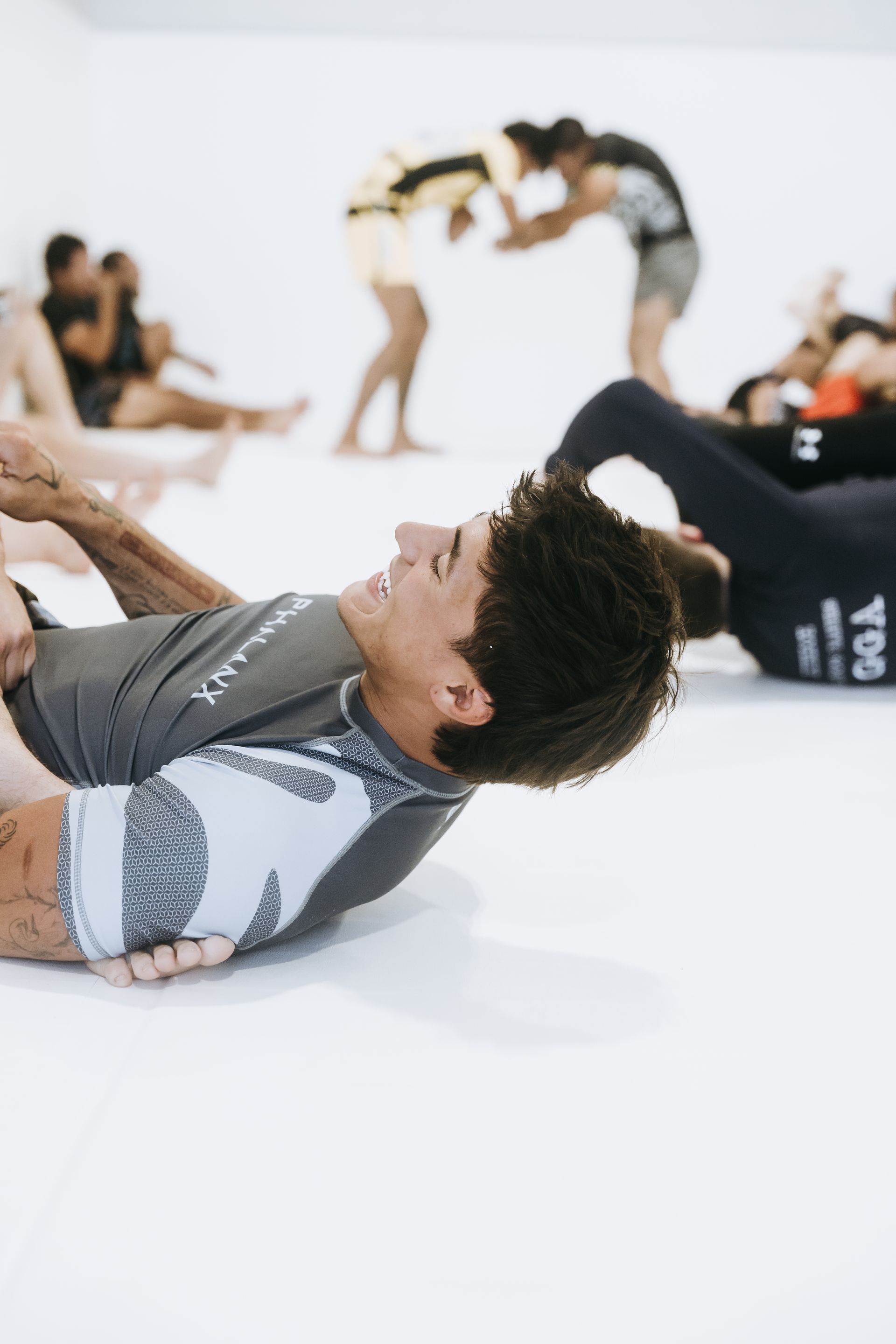
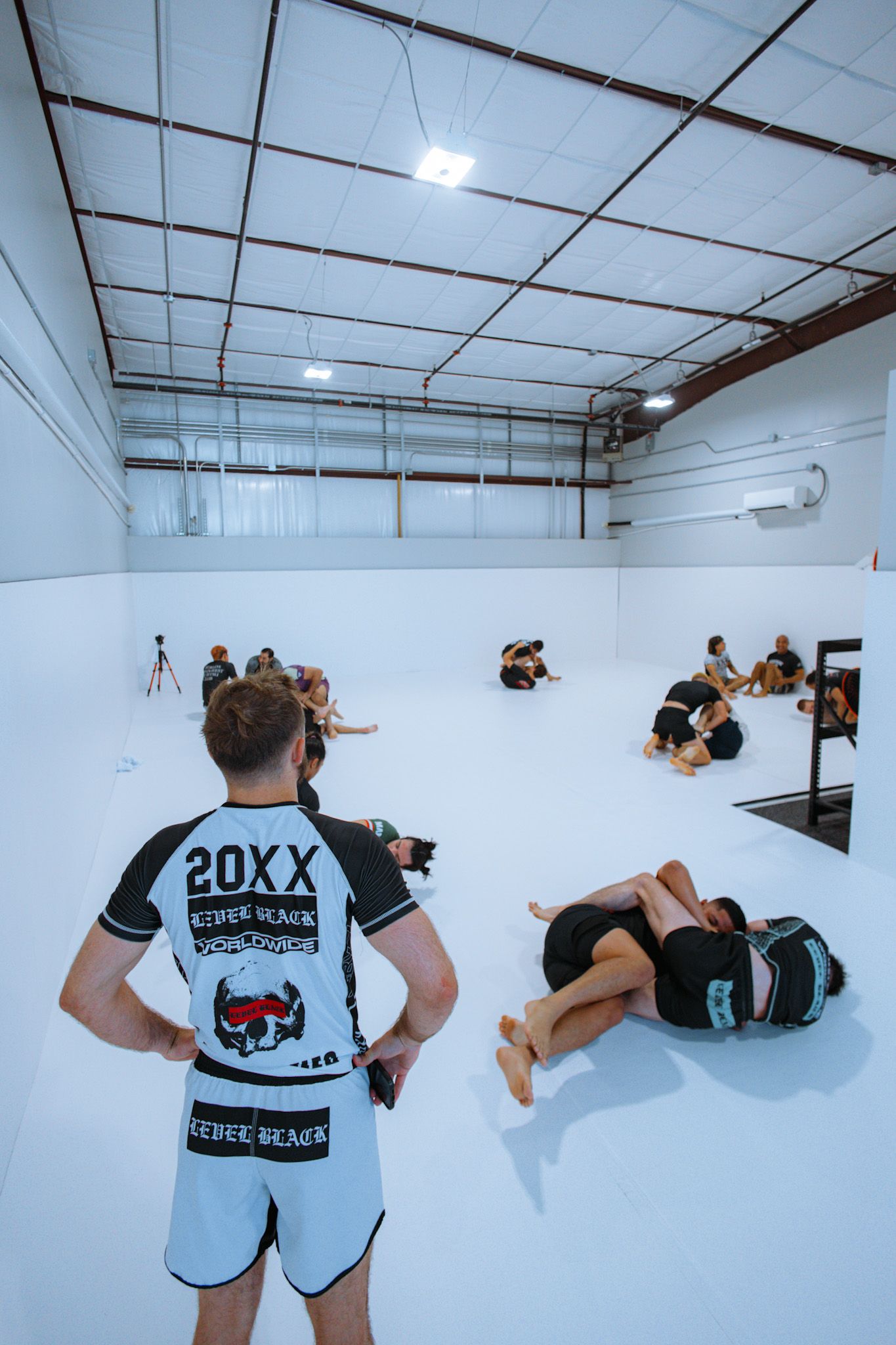
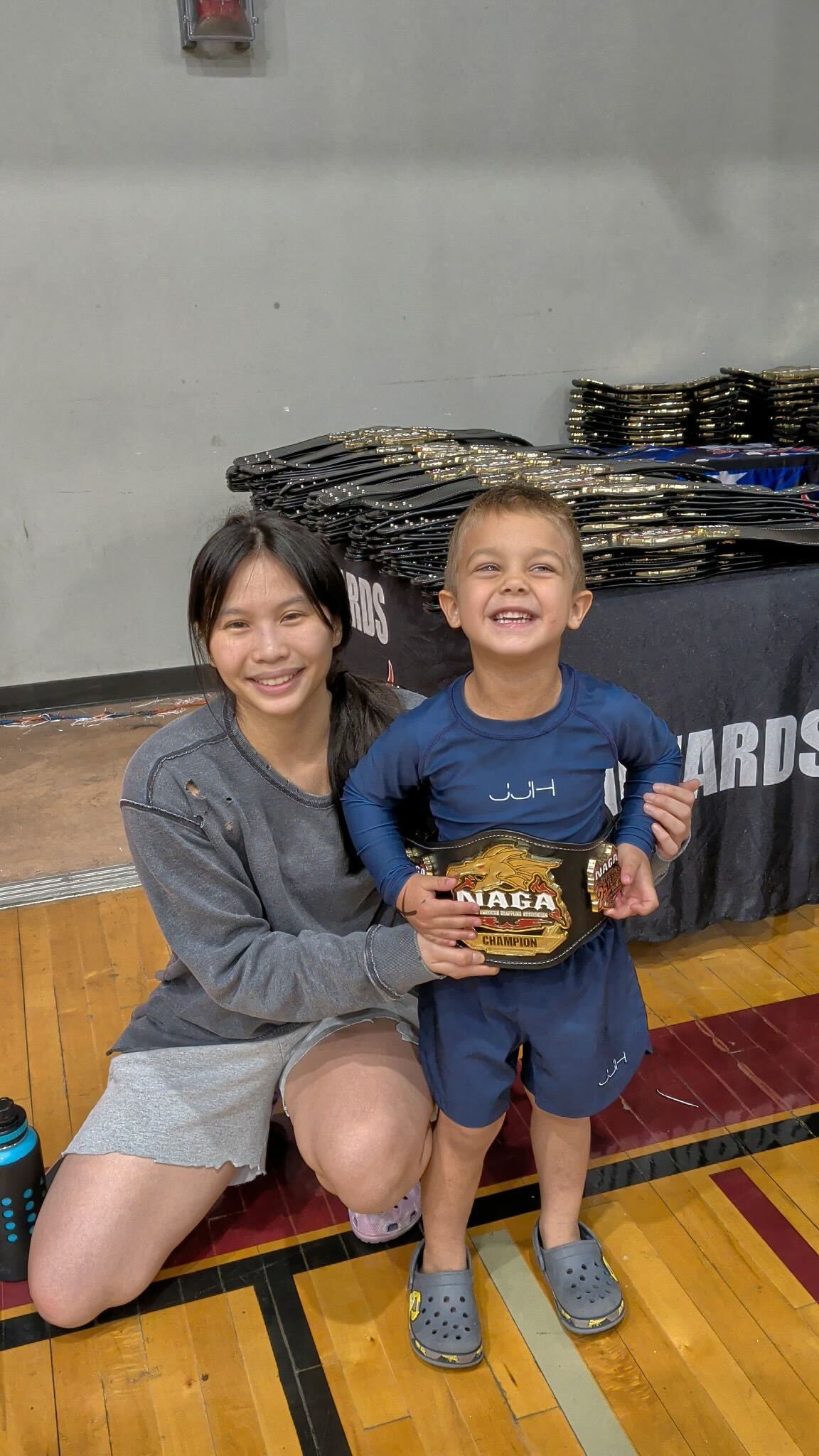
Practical self-defense gets easier when you learn to use leverage, timing, and calm decision-making instead of strength.
Jiu Jitsu is having a real moment in Georgetown, and it makes sense: our community is growing fast, and more families want skills that feel practical, not theatrical. When you train the right way, you learn how to get out from underneath someone, create space, and safely control a situation without having to trade punches. That is why we build our training around body mechanics and problem-solving, not brute force.
We also keep things beginner-friendly. You do not need an athletic background, a certain body type, or a fighter mindset to start. You need a plan, consistent practice, and a few core movements that show up everywhere. In Jiu Jitsu, the “simple” techniques are often the ones that keep working under pressure, especially when you drill them until they feel automatic.
If you are looking for Jiu Jitsu in Georgetown TX because you want straightforward self-defense for yourself or your family, this guide will help you understand what actually matters early on. We will walk through a few essential skills, explain why No-Gi training is so practical, and show you what progress can look like in your first month.
Why Jiu Jitsu works for real-world self-defense
The biggest reason Jiu Jitsu is effective is leverage. You learn how to frame with your bones, move your hips, and use angles so you can escape and control even when someone is larger. On the ground, size and strength still matter, but technique matters more than most people expect. That is the core promise of good grappling: you can build reliable answers to common problems.
For self-defense, we care about outcomes more than style points. Can you get back to your feet? Can you protect your head and neck? Can you stop someone from holding you down? Can you stay calm long enough to make good decisions? These are trainable skills, and progress comes from repeating realistic movements until your body stops panicking and starts acting.
In Texas suburbs, safety concerns are not abstract. Local reports in Williamson County show an increase in assaults, and statewide data has reflected an uptick in violent crime in suburban areas. We do not share that to scare you. We share it because it explains why “simple” self-defense matters: the best plan is the one you can actually remember and apply.
No-Gi training and why it feels more practical
A lot of people ask about Gi versus No-Gi. Our focus is No-Gi, which means you train without the traditional uniform and without relying on cloth grips. For self-defense, that matters because real-world clothing is inconsistent. Sometimes you have a jacket to grab. Sometimes you do not. No-Gi forces you to control with positioning, pressure, and body connection instead of fabric handles.
No-Gi also tends to move a little faster. That can be challenging at first, but it becomes a benefit: you learn to stay balanced, keep your base, and react to scrambles. For many beginners, it feels closer to “what would really happen,” especially when you are practicing escapes from holds and learning how to protect your neck.
Most importantly, No-Gi keeps the learning curve clean. We can teach you a small set of movements and concepts that apply everywhere. You are not memorizing a huge catalog. You are building a few dependable tools.
The three simplest self-defense skills we teach first
If you want a realistic starting point, these are the skills we come back to constantly. None of them require special strength. All of them improve quickly when you train consistently.
Shrimp escape: the movement that saves you again and again
Shrimping is a hip escape. You use your hips to scoot away, make space, and reinsert your legs between you and another person. It is not glamorous, but it is the foundation for escaping bottom positions like side control and mount.
We coach shrimping as a “get your hips out, then rebuild your frame” habit. Beginners often try to push with their arms first, which usually fails. When you move your hips first, your arms can frame and guide, not fight.
A good shrimp escape feels like this: you create a small pocket of space, slide your knee through, and recover a defensive position. That is a big deal for self-defense because it turns “pinned” into “mobile.”
Guard retention: staying safe when you are on your back
Guard is a position where your legs help manage distance and control. For self-defense, guard retention is less about fancy submissions and more about staying protected while you work to stand up or improve position.
We teach you how to keep your knees between you and the other person, how to use your shins and feet as frames, and how to angle your hips so you are not flat on your back. Flat is where pressure wins. Angled is where you have options.
This is also where beginners start feeling confident. You realize you are not helpless from the bottom. You can slow the situation down, protect your head and neck, and choose your next move.
Rear naked choke defense: protecting the most important space
The rear naked choke is a high-percentage threat in both sport and real-world contexts. We treat defense as a priority because the neck is not negotiable. The first goal is hand fighting: you address the choking arm before you think about anything else.
From there, we teach you how to get your back to the floor, how to clear hooks, and how to escape to a safer position. It is not about muscling out. It is about structure, timing, and not letting the choke settle.
The practical benefit is obvious: you learn what to do the moment you feel pressure around your neck. That moment is not the time to invent a plan.
A beginner-friendly timeline: what 4 to 6 weeks can look like
People often ask how quickly they can learn basic self-defense. With consistent training, 4 to 6 weeks is enough to build a real foundation: you will not “know everything,” but you will have dependable reactions to common positions. We structure early training so you can feel progress without getting overwhelmed.
Here is a typical progression we see when students show up regularly and keep things simple:
1. Week 1: Learn base positions, safety rules, and how to move on the ground without gassing out
2. Week 2: Build frames, shrimping, and basic stand-ups so you can create space and reset
3. Week 3: Add guard retention habits and positional drills that teach you to stay protected
4. Week 4: Practice escapes from side control and mount, then connect them into sequences
5. Weeks 5 to 6: Begin controlled live rounds where you test the basics under light pressure
This is where Jiu Jitsu starts to click. You stop feeling like everything is happening at once. You start noticing patterns. And you get that quiet confidence that comes from having a plan.
What makes training feel safe and sustainable
Safety is not an afterthought in grappling. It is the system. We keep the room structured so you can train hard without taking unnecessary risks. Injury rates in well-run classes are low, and we protect that by controlling intensity, pairing partners thoughtfully, and emphasizing tapping early.
We also scale everything. If you are brand new, you can focus on drilling and positional sparring where the goal is one escape, not “winning.” If you are older, returning from an injury, or simply cautious, we adjust pacing and partners so you still get productive reps. If you are competitive, we can turn the dial up responsibly over time.
Good training should make you feel better outside the gym too. You should stand taller, breathe easier under stress, and move through daily life with more awareness.
Kids Brazilian Jiu-Jitsu in Georgetown TX: confidence, boundaries, and bully-proof habits
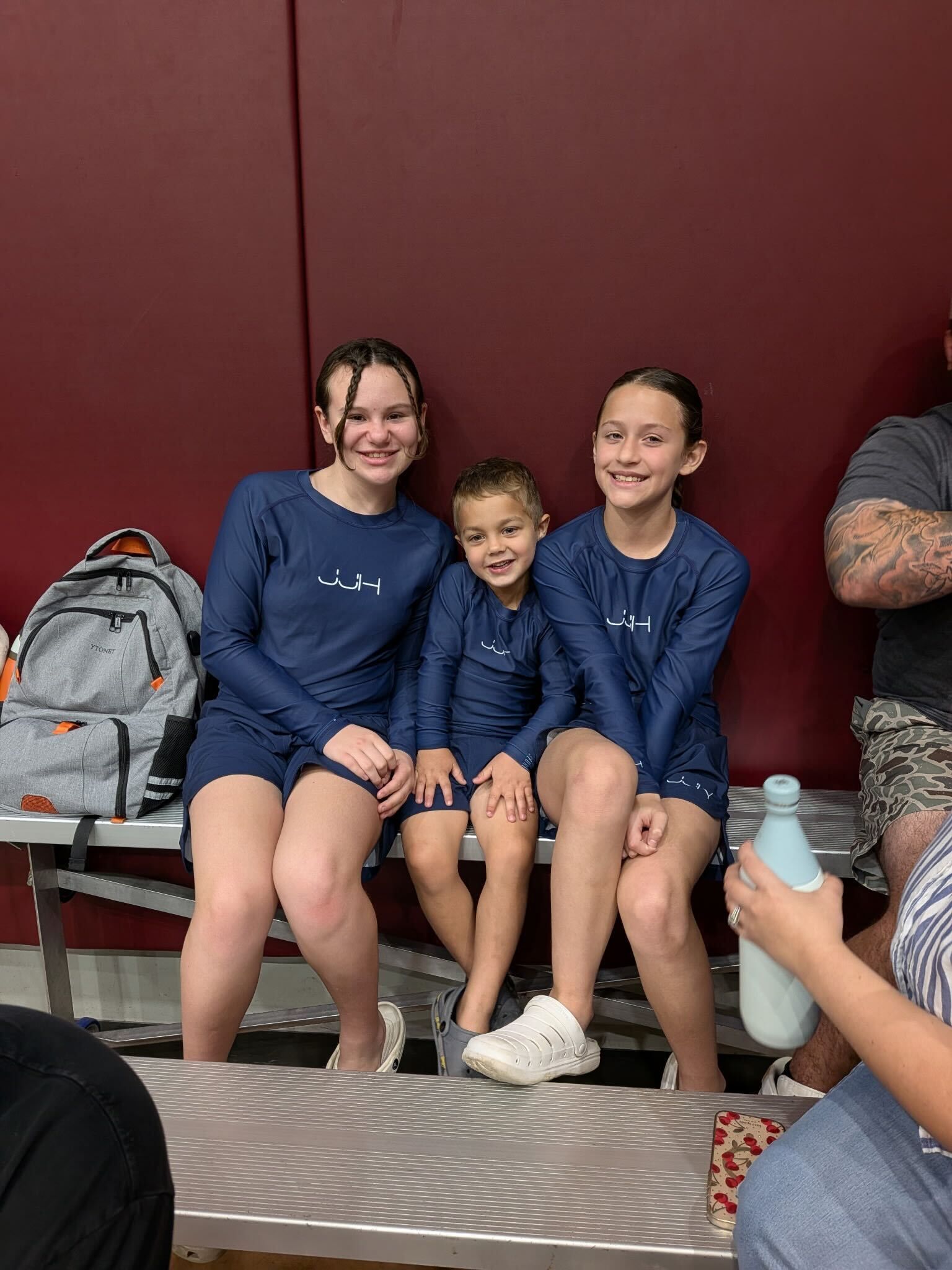
For kids, the goals look a little different. We want your child to build confidence without turning into a troublemaker. That means teaching control, respect, and how to use words first, while still giving kids the ability to protect themselves if something crosses the line.
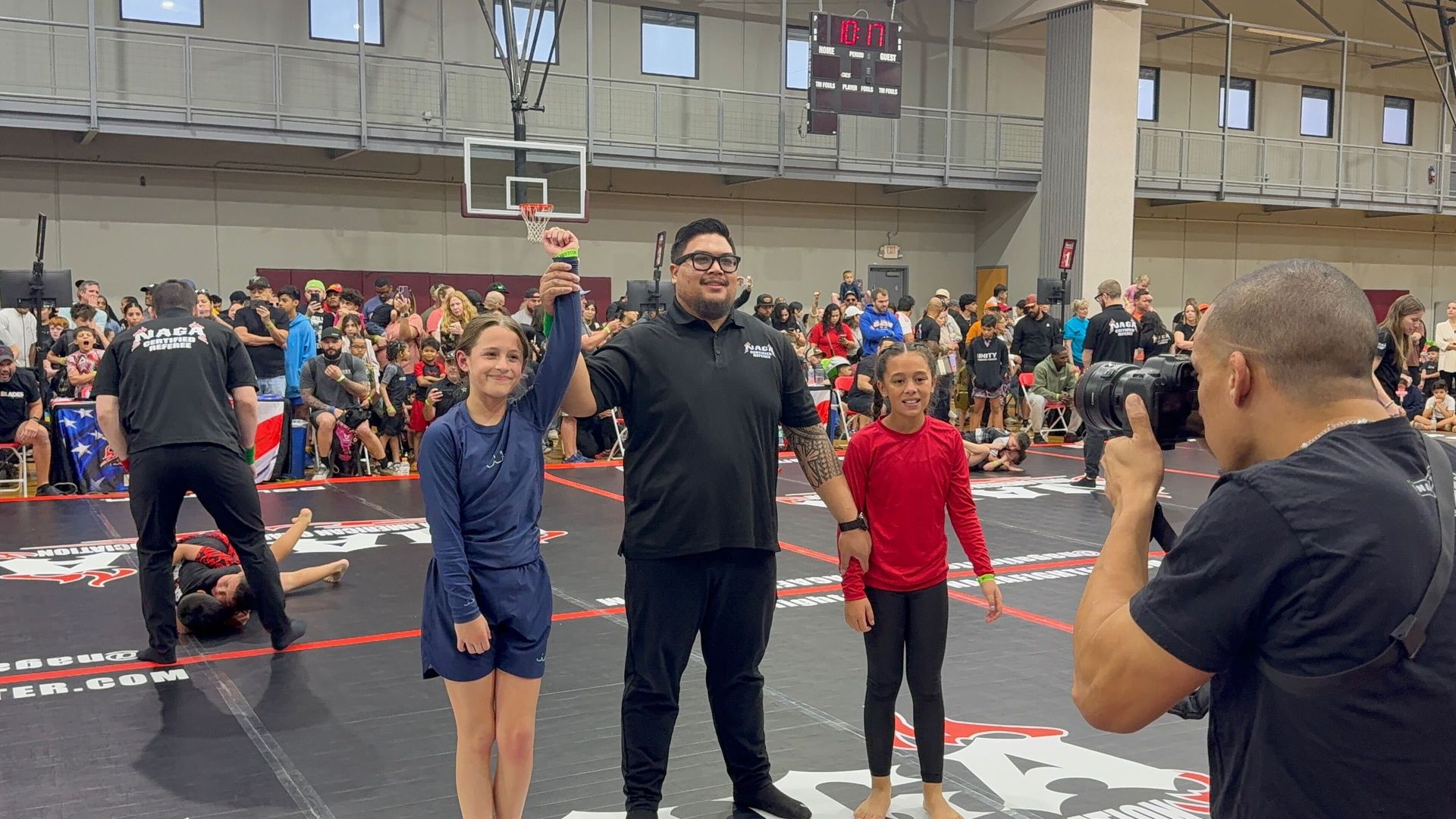
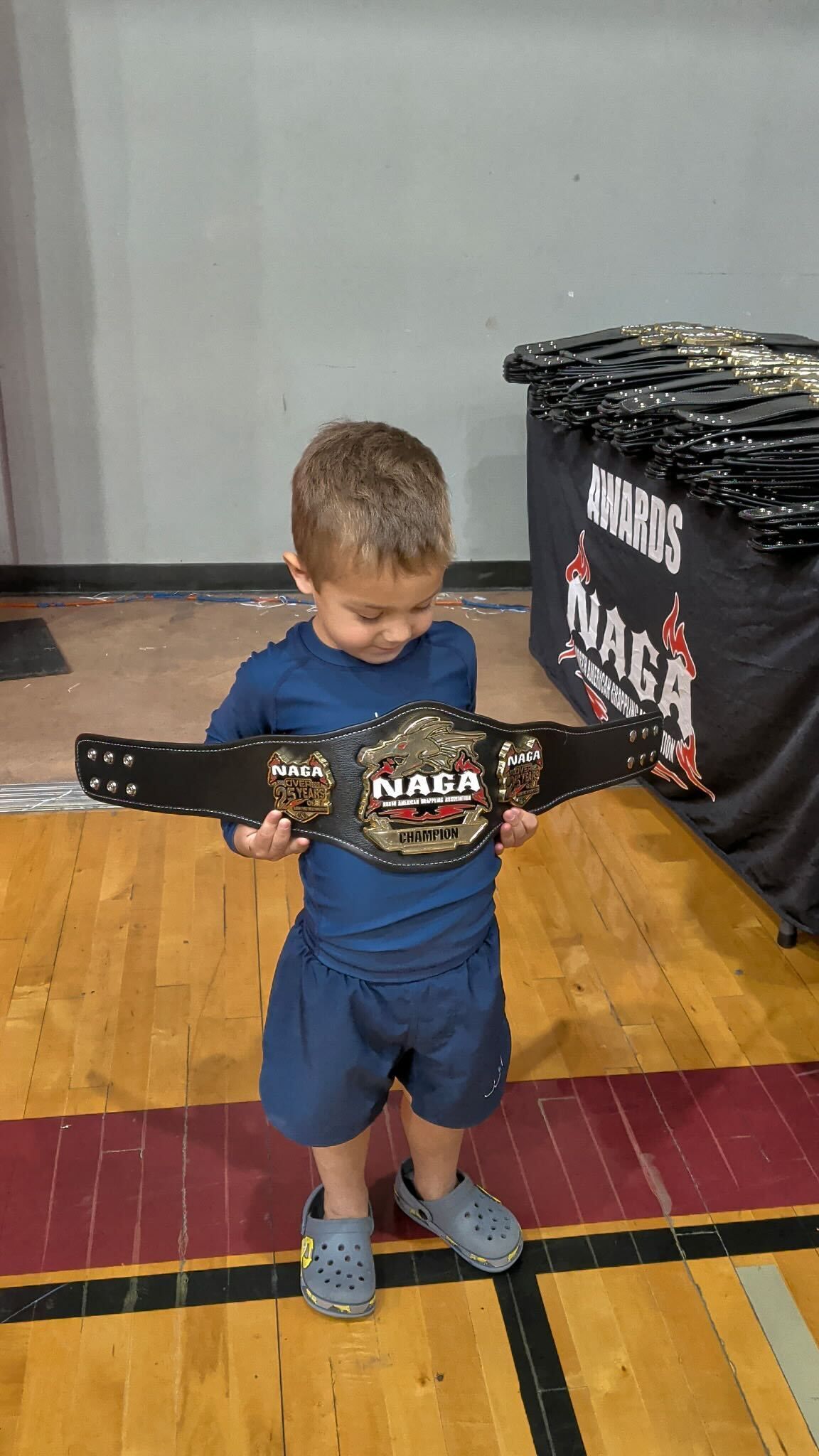
Kids learn best through structure and repetition, so we use games and drills that develop real skills: balance, coordination, safe falling, and escaping common holds. Studies on martial arts programs in Texas schools have linked training to meaningful reductions in bullying behavior and improved confidence. In our experience, the biggest change is posture and presence. A confident kid is harder to intimidate.
We also keep it age-appropriate. The goal is not to teach kids to hurt someone. The goal is to teach them to stay calm, create space, and get to safety, with a strong emphasis on listening and self-control.
Why families in Georgetown are choosing to train together
Georgetown has grown quickly, and with that growth comes busy schedules. Family training works because it turns self-defense and fitness into something you can share. You do not have to split up your evening between different activities in different places. You can build a routine together.
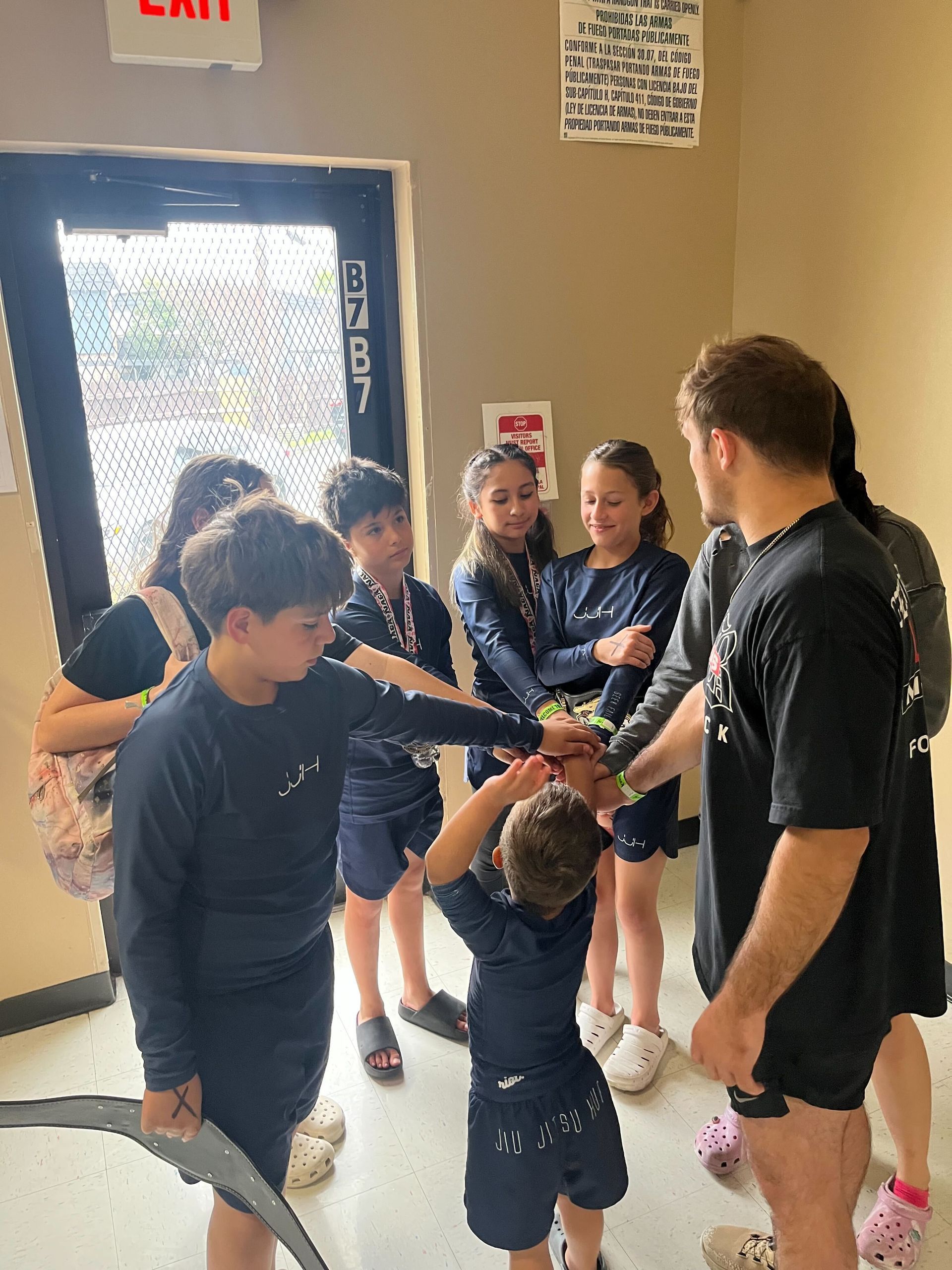
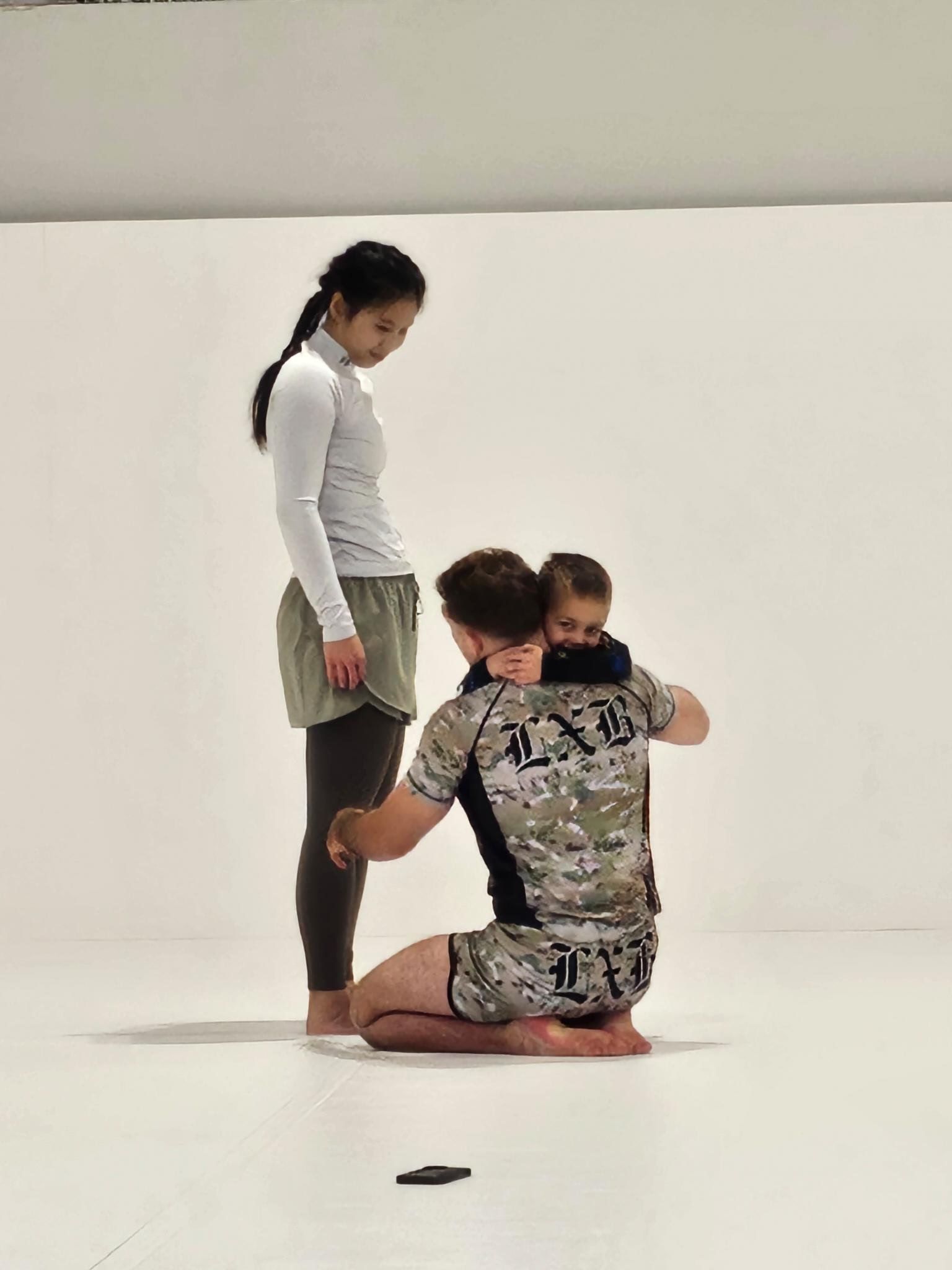
We see parents start for self-defense, then stay for the way training sharpens focus and reduces stress. We see kids light up when they master a movement that once felt impossible. And we see families talk more, move more, and support each other in a way that feels surprisingly wholesome for a combat sport.
If you have been searching “Jiu Jitsu in Georgetown TX” because you want a practical outlet that also builds discipline, this is one of the best parts: you do not just learn techniques. You build habits.
How we teach so you can actually use what you learn
We keep the curriculum rooted in fundamentals. That means you learn positions first, then escapes, then control, and only then do we layer in submissions. For self-defense, that order matters. Escapes and base are the life skills. Submissions are optional tools you earn after you can stay safe.
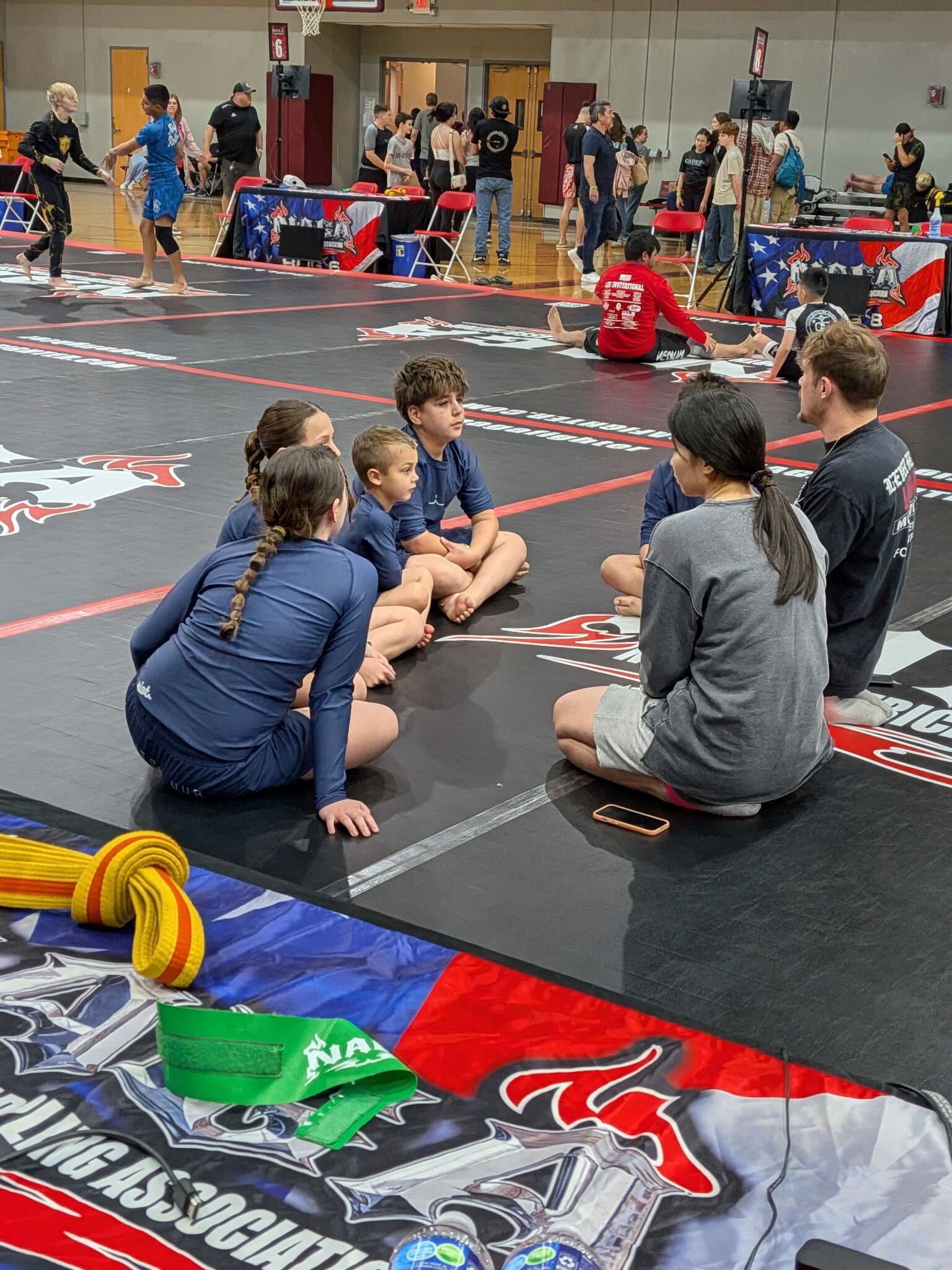
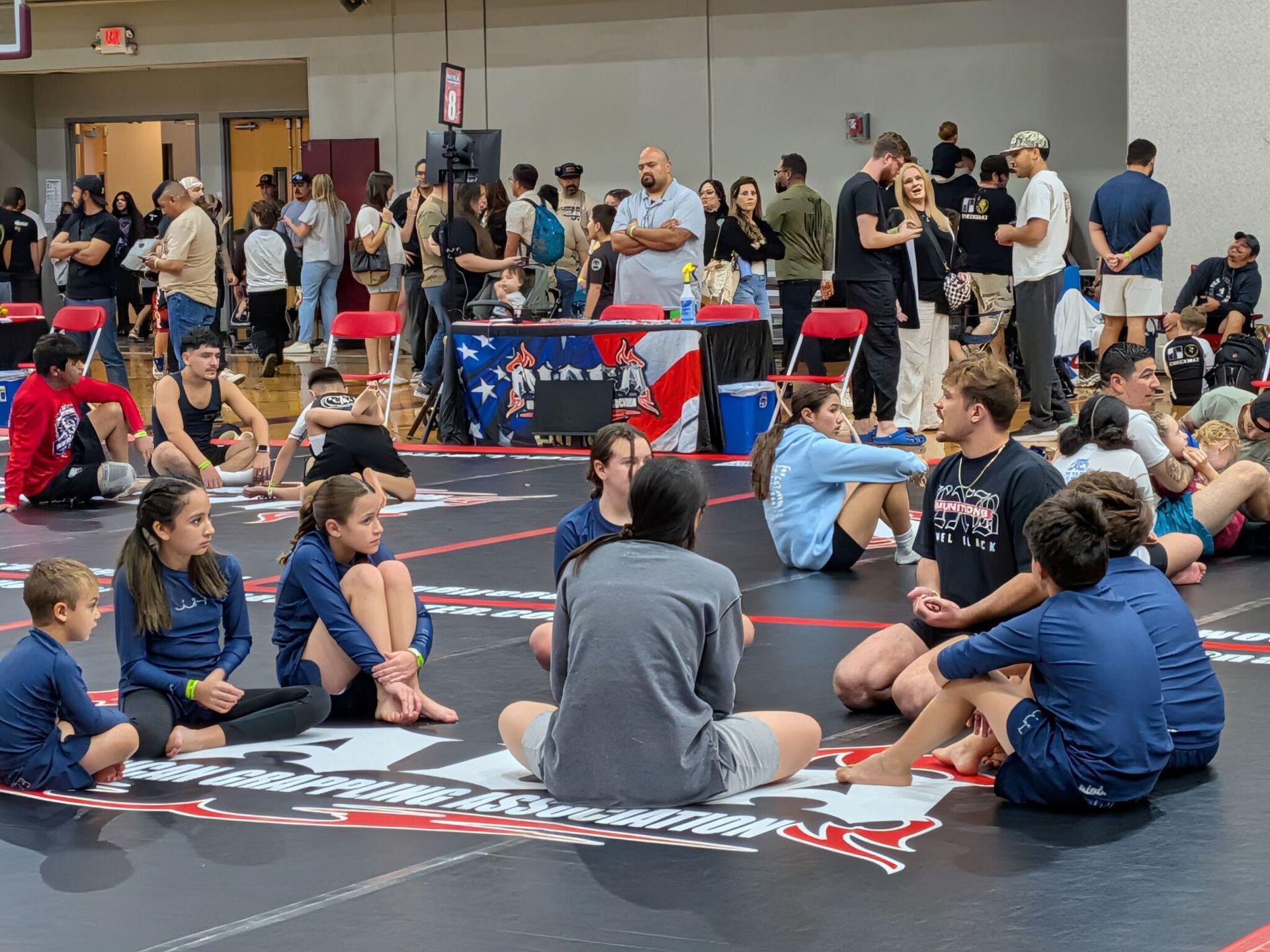
Our classes mix drilling, situational training, and controlled sparring. Drilling builds the pattern. Situations teach you timing. Sparring teaches you decision-making under pressure. We also explain the “why” behind a technique so you can adapt when things do not look perfect, because real life is rarely perfect.
And yes, we teach you how to breathe. Beginners tend to hold their breath, tense up, and burn out. Once you learn to relax and move, everything improves.
Take the Next Step with Jiu Jitsu Hub in Georgetown
If you want Jiu Jitsu that stays simple, practical, and beginner-friendly, we built our training in Georgetown around exactly that. At
Jiu Jitsu Hub, our No-Gi approach focuses on escapes, control, and confidence you can rely on, whether you are starting for self-defense, fitness, or family training.
You do not need to be tough to begin. You just need a place where the basics are taught clearly, where safety is taken seriously, and where your progress is measured in real skills you can repeat under pressure.
Put these techniques into practice by
joining a Jiu-Jitsu class at Jiu-Jitsu Hub.