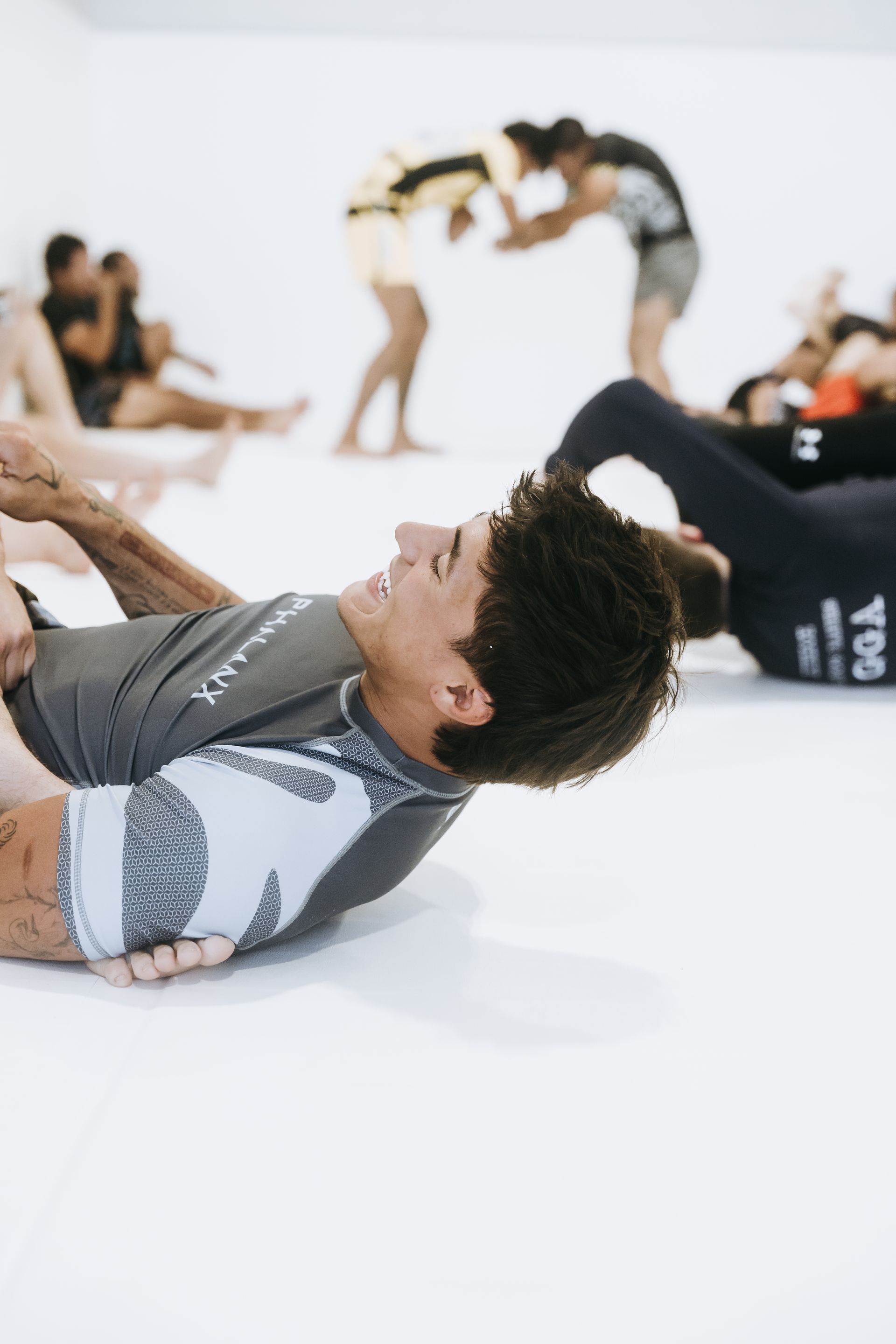
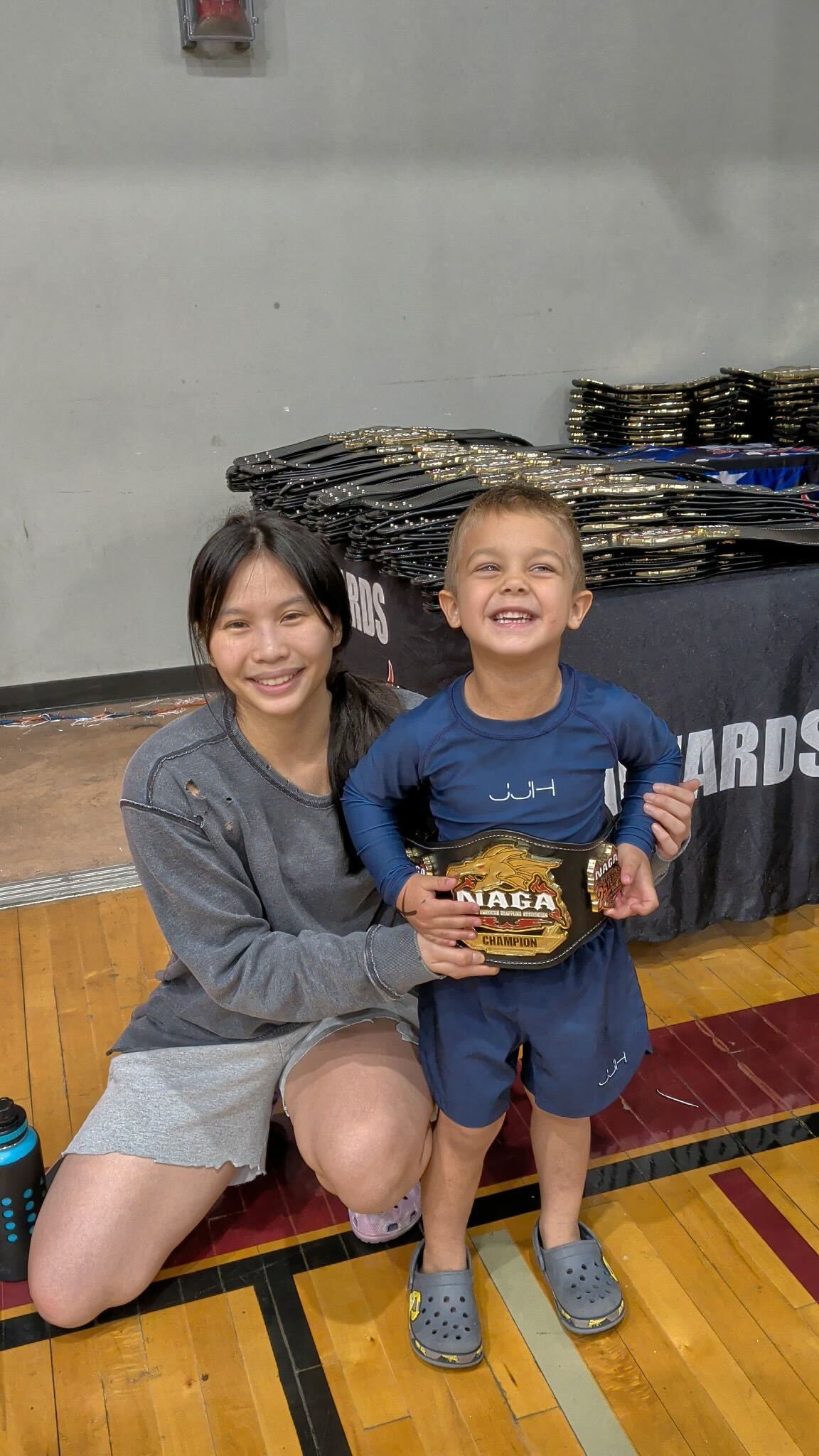
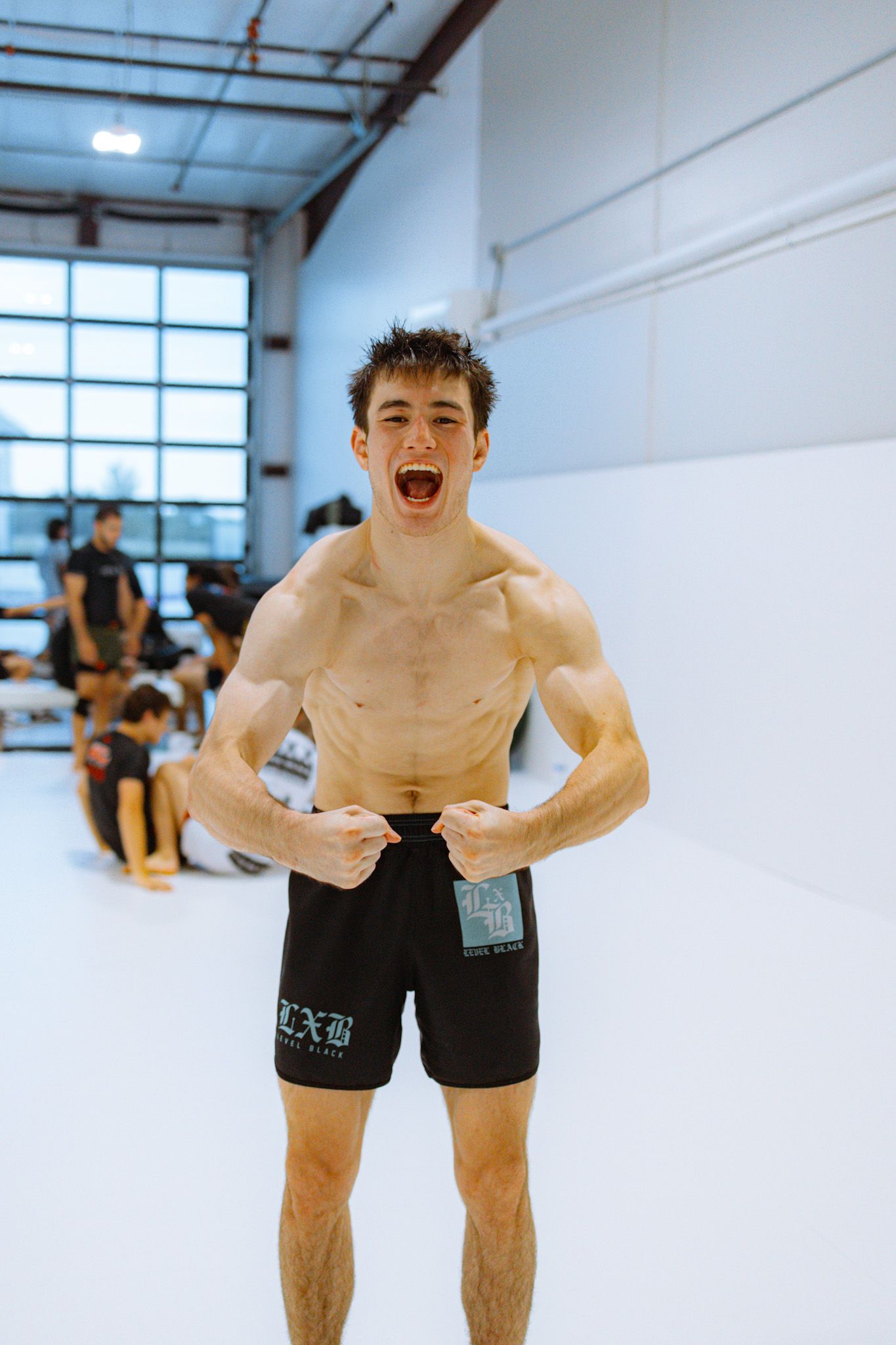
If you are starting Jiu Jitsu in Georgetown, your fastest progress comes from movement, safety, and escapes, not flashy finishes.
Starting Jiu Jitsu as an adult is exciting, but it can also feel like learning a new language with your whole body. In the first few weeks, most beginners are not losing because they lack submissions. Most beginners struggle because they cannot create space, stand up safely, or stay calm when pinned.
That is why we teach fundamentals as a system. When you can move your hips, build a strong base, and escape the most common positions, everything else becomes easier and a lot more fun. If you are looking for Jiu Jitsu in Georgetown TX, these six skills are the practical foundation we want you to own early.
Below, we break down the six essential skills we focus on with new students, why each one matters, and how you can think about them during your first month of Adult Brazilian Jiu Jitsu in Georgetown TX.
What to focus on first as a beginner
Before we get into the six skills, it helps to understand the order of operations. Our goal for beginners is simple: stay safe, recover position, and reset. Submissions come later and come faster once you stop getting stuck under pressure.
A useful mindset is to measure progress like this: Can you escape a bad spot without panicking, and can you return to a position where you can breathe and think? If the answer is yes more often than last week, you are improving.
1. Shrimping or hip escape
Shrimping, also called the hip escape, is one of the first movements we drill because it shows up everywhere. It is how you slide your hips away from pressure to make space, re-guard, or start an escape. If you only learn one movement pattern early, make it this one.
Why shrimping matters in real rolls
When someone is heavy on top, the mistake beginners make is pushing straight into the opponent. That burns energy and usually fails against good balance. Shrimping teaches you to move your body away from the pressure instead of trying to lift it.
You will use the hip escape to recover guard from side control, to create space for a knee shield, and to turn a bad angle into a neutral one. It is also a quiet confidence-builder because it gives you a reliable first step when you feel stuck.
What we want you to feel
Shrimping is not a big dramatic scoot. We want your hips to move, your shoulders to stay connected to the mat when appropriate, and your knees to come between you and the opponent. Small, clean movement beats big flailing every time.
2. Bridging and the bridge-and-roll
Bridging is the opposite side of the space-making coin. Instead of sliding away, you drive your hips up to disrupt balance and force reactions. The bridge is a core engine for escaping mount, off-balancing in closed guard, and creating momentum for turning.
The beginner mistake we fix early
Many beginners bridge straight up with no direction, then fall back flat. We coach the idea of bridging into a corner, aiming to tip the opponent’s weight rather than trying to bench press anyone. When your bridge has angle, it becomes a tool instead of a hail-mary.
Where you will use it immediately
The bridge-and-roll escape from mount is a classic for a reason. Even when it does not fully reverse the position, a good bridge can open space for your knee to slide in, for you to get on your side, or for you to start an elbow escape. Bridging also teaches timing, which is a big deal in Jiu Jitsu.
3. Technical stand-up
One of the most practical skills we teach beginners is how to stand up safely without giving up your balance or your back. The technical stand-up is simple, but it is also a self-defense essential because it helps you create distance and return to your feet with structure.
Why standing up is a skill, not a scramble
A lot of new students try to stand by turning away, pushing off both hands, or popping up with their feet close together. That is how you get pulled back down or lose your base. Technical stand-up keeps you facing the threat, protecting yourself with a frame, and moving one step at a time.
What good looks like
We want you to post one hand, keep your other hand framing, lift your hips, slide your leg back, then stand with posture. It is controlled and boring in the best way. When you can stand up cleanly, you stop feeling trapped on the ground.
4. Guard basics and guard retention
Guard is the position where you are on bottom but still dangerous and still protected. For beginners, guard is less about fancy sweeps and more about learning how to keep your legs between you and pressure. When you can retain guard, you can slow the pace down and start making choices.
The guard concept that changes everything
Think of guard as distance management. Your legs are your strongest frames. When your knees and feet stay in front of the opponent, you can off-balance, re-center, and prevent the pass. When your legs get pinned to the mat, the opponent can climb around you.
We build guard fundamentals around posture control, angles, and the simple idea of replacing your guard when it gets compromised. Retention is not one move. It is a habit you build through repetition.
A simple retention checkpoint
If you are getting passed easily, we often look at two things: are your knees staying connected to your elbows, and are you turning onto your side at the right time? Small details like that keep your guard alive longer than you might expect.
5. Frames, posture, and elbow control
This is the “principles” skill that makes every technique work better. Frames are the structures you build with your forearms, shins, and hands to prevent your opponent from collapsing your space. Posture keeps your spine aligned and your head positioned so you can breathe and move. Elbow control helps you avoid getting flattened and isolates the opponent’s power.
Why this matters for adult beginners
If you are starting as an adult, you might not want to rely on speed or flexibility to survive. Frames and posture let you use alignment and leverage instead. It is the difference between feeling crushed and feeling like you have a plan.
When your elbows drift away from your ribs, gaps appear. Those gaps turn into crossfaces, underhooks, and pins. When you learn to keep your elbows organized and your frames intentional, you become harder to hold down, even against stronger partners.
Quick cues we repeat in class
Here are a few framing and posture reminders we like because they are easy to remember under pressure:
• Keep your elbows close enough that your arms support your torso instead of reaching past it
• Frame on shoulders and hips, not on the opponent’s biceps where you get dragged around
• Turn onto your side when you can, because flat is where pins get heavy
• Protect your head position, because a turned head usually means a turned spine
• Breathe on purpose, even if it is just a slow exhale to stop the panic loop
Those are not magic rules, but they keep you safe and help your technique show up.
6. Escapes from mount, side control, and back control
Escapes are the most confidence-building part of beginner training. When you know how to survive the worst common positions, you stop feeling like you are “losing” every round. Instead, you are working a process.
The three positions every beginner should respect
Mount, side control, and back control show up constantly in live training. We teach you how to recognize what makes each position dangerous, then how to remove the key pieces one step at a time. Escaping is rarely one explosive move. It is usually a sequence: frames, hip movement, and rebuilding guard or getting to your knees.
What we emphasize so you do not get overwhelmed
We prefer clear priorities over a huge menu of options. In general:
1. Protect your neck and stop immediate submission threats
2. Build frames and create just enough space to move your hips
3. Get to your side and bring your knees back into the fight
4. Recover guard or stand up using technique, not a desperate scramble
That sequence is simple on paper and hard in practice, which is why we drill it. Over time, you start to notice that the “bad positions” are not permanent. They are just moments you can navigate.
Your first 30 days: a beginner roadmap that actually works
If you want a practical plan for your first month, we recommend focusing less on collecting moves and more on repeating the same high-value patterns until your body stops thinking about them. This is especially helpful if you are balancing work, family, and a normal Georgetown schedule.
A realistic approach looks like this:
• Week 1: learn the warm-up movements with intention, especially shrimping and bridging
• Week 2: connect those movements to one mount escape and one side control escape
• Week 3: add technical stand-up and a simple guard retention goal like keeping knees inside
• Week 4: start linking escapes into a reset, meaning guard recovery or standing safely
If you train two to three times per week, you will usually feel the first big shift around the end of that first month. Not perfection, but comfort. You will breathe more, move sooner, and understand what the class is asking you to do.
What to expect in your first class in Georgetown
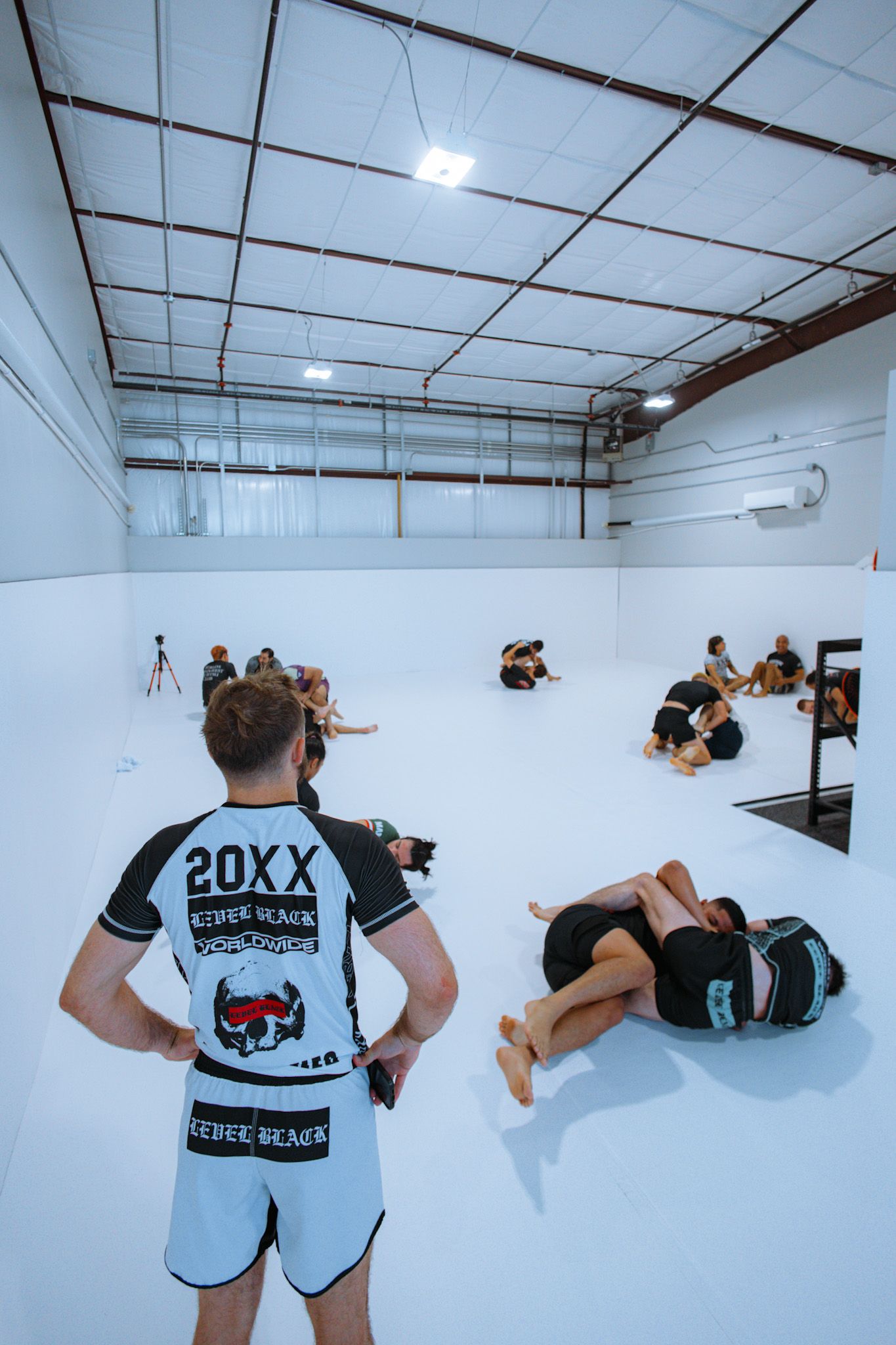
Our beginner-friendly approach keeps the learning curve manageable. You can expect a structured class with a clear theme, plenty of repetition, and coaching that prioritizes safety. You will drill techniques with a partner, and if live training is included, we keep it controlled and appropriate for your experience level.
As for gear, you can start with comfortable athletic clothing. If you are unsure whether to begin in gi or no-gi, we can guide you based on the class schedule and what feels most approachable. Either way, the fundamentals above apply directly to both.
Take the Next Step
If you master these six skills, your Jiu Jitsu starts to feel less like survival and more like problem-solving. You will move better, waste less energy, and understand why positions change when you do the right small things at the right time.
At
Jiu Jitsu Hub, we build our beginner path around exactly these fundamentals so you can train safely, improve steadily, and enjoy the process of Adult Brazilian Jiu Jitsu in Georgetown TX without feeling lost. When you are ready, we would love to help you get started and see how quickly these basics translate into real confidence on the mat.
New to Jiu-Jitsu? Start your journey with a
beginner-friendly class at Jiu-Jitsu Hub.