Resilience is not something kids are born with or without, it is something we can train on purpose.
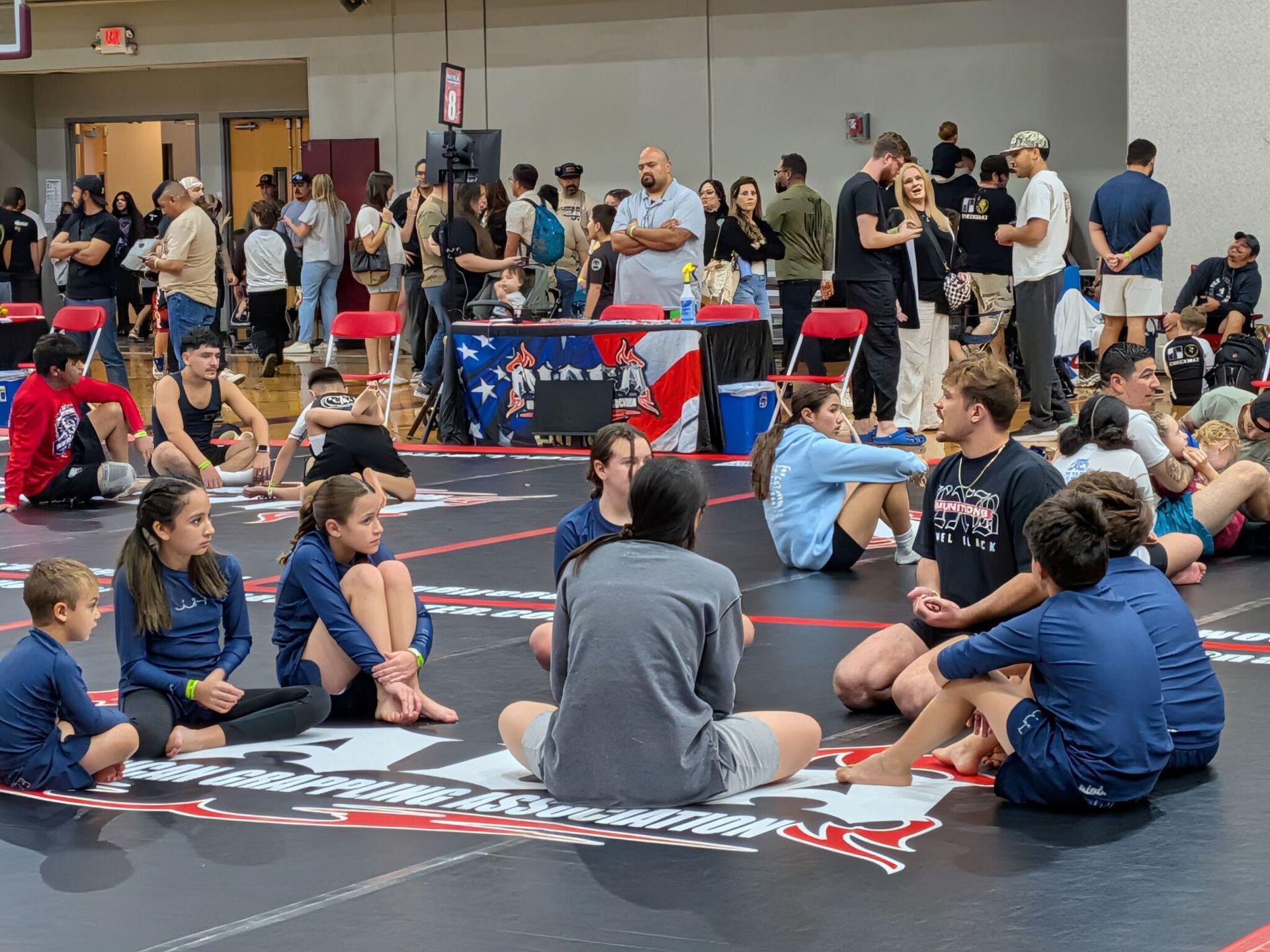
Kids Brazilian Jiu-Jitsu is growing quickly for a reason: it develops steady, durable confidence that shows up at school, at home, and in everyday challenges. In our kids program here in Georgetown, we see resilience built the same way technique is built, through small reps, patient coaching, and a culture where mistakes are normal and effort is respected.
That matters because many families are watching the same pattern play out across youth activities. Nationally, about 70% of kids quit organized sports by age 13, often because the environment turns into pressure, comparison, and early specialization. We approach training differently, with an inclusive structure that helps kids stick with it long enough to experience real growth.
At the same time, interest in Brazilian Jiu-Jitsu keeps rising. U.S. search interest has increased by about 104% from 2004 to 2024, and an estimated 750,000 people practice in the United States. For Georgetown families, that momentum is useful only if it comes with smart coaching, emotional skill-building, and clear safety standards, which is exactly what we focus on in every class.
What resilience actually looks like on the mats and off
Resilience is not just toughness. In kids, it usually shows up as the ability to recover after frustration, keep trying after a setback, and make good choices when emotions spike. On the mats, that can mean a child gets swept, pauses, breathes, resets position, and continues instead of melting down. Off the mats, it might look like raising a hand in class, handling a tough conversation, or staying calm when a plan changes.
We train resilience through three practical habits that repeat in every lesson: awareness, control, and problem-solving. Jiu-Jitsu gives kids immediate feedback without shaming them. If a grip fails, the technique did not work yet, so we adjust. That simple loop teaches kids to separate identity from outcome, and it is surprisingly powerful.
Kids Brazilian Jiu-Jitsu also gives kids an arena to practice boundaries and respect in a structured way. Our instructors set expectations for how to train with partners, how to speak, and how to keep the room safe. Consistent rules reduce anxiety and create an environment where kids can take healthy risks, which is the foundation for resilience.
Why kids stay with Jiu-Jitsu when so many quit traditional sports
One reason Kids Brazilian Jiu-Jitsu keeps kids engaged is that progress is personal. In many activities, the scoreboard decides who is valued. On our mats, improvement is measured in things like better posture, calmer breathing, cleaner escapes, and smarter choices. Those wins are real even when a child is not the biggest or fastest.
That retention matters. If 70% of kids leave organized sports by 13, the bigger issue is not only physical inactivity, it is the message kids can internalize: quitting is normal when it gets hard. We work against that by making the learning process visible. Kids hear us praise effort, patience, and respectful training, not just outcomes.
Our classes also avoid the subtle problem of early labeling. When kids get sorted into “the talented ones” and “the rest,” many stop trying. We keep the room inclusive and structured so every child gets meaningful reps, partner rotations, and attention. Over time, kids who started shy often become the steady leaders because the system rewards consistency, not hype.
The emotional regulation piece parents notice first
Most parents come in hoping their child becomes more confident. What often surprises families is how quickly emotional regulation improves when training is consistent. Grappling can be intense, but it is controlled intensity, and that is where the growth happens.
In class, kids learn to recognize stress signals and respond with skills instead of impulses. We teach them to pause, frame, breathe, and think. That sounds simple, but it is a practiced skill. Over time, kids get comfortable being uncomfortable, and that comfort transfers into normal life situations like tests, performances, or disagreements with siblings.
There is research backing this up. A behavioral study found that young boys increased self-control by double digits when training 1 to 3 times per week. That lines up with what we see when kids show up regularly. The consistency matters more than marathon sessions, especially for younger students.
Confidence without aggression: the difference parents care about
A common worry is whether martial arts training makes kids more aggressive. Our experience is the opposite when the culture is right. Kids Brazilian Jiu-Jitsu teaches control first, not domination. We emphasize safety, respect, and the idea that skill means you can stay calm.
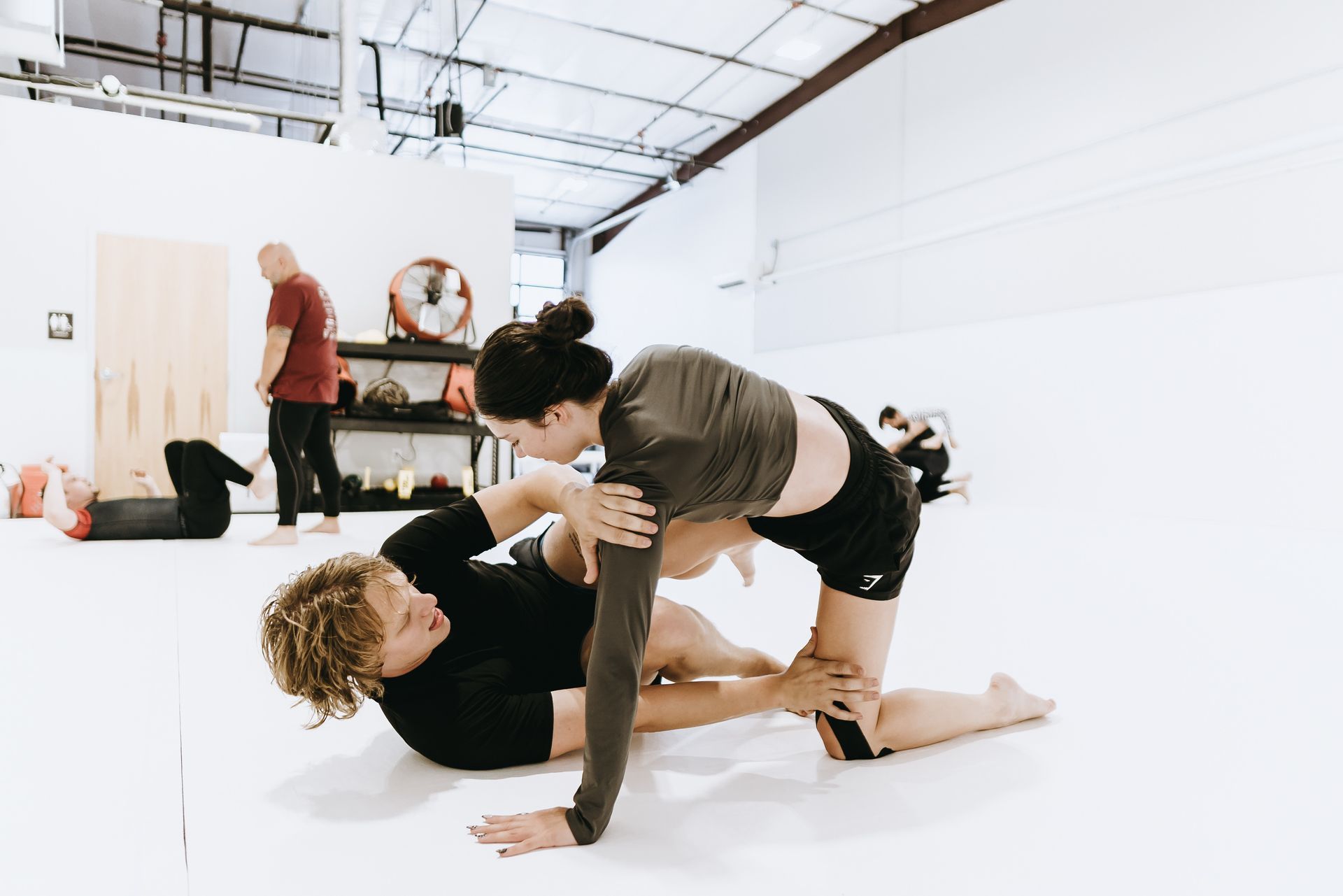
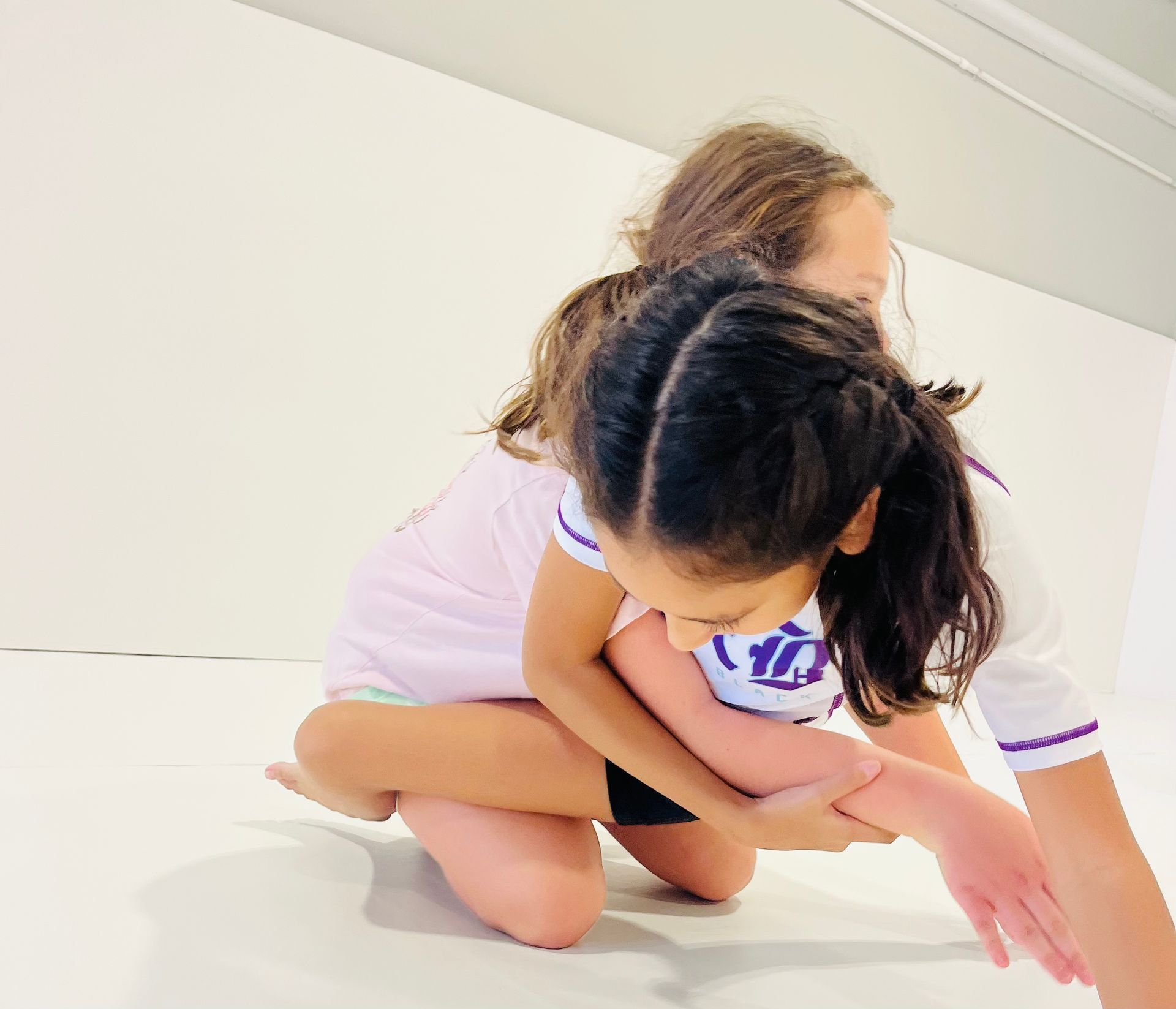
Because BJJ relies on leverage and position, kids learn that panic makes things worse. They discover that patience and technique work better than force. That lesson can be a game-changer for impulsive kids and for kids who are anxious, because it gives both groups the same toolset: breathe, frame, move with intention.
We also talk directly about when to use skills and when not to. Our goal is not to create kids who are looking for conflict. Our goal is to help you raise a child who feels capable, sets boundaries, and makes good decisions under pressure.
A Georgetown lens: why this matters for local families right now
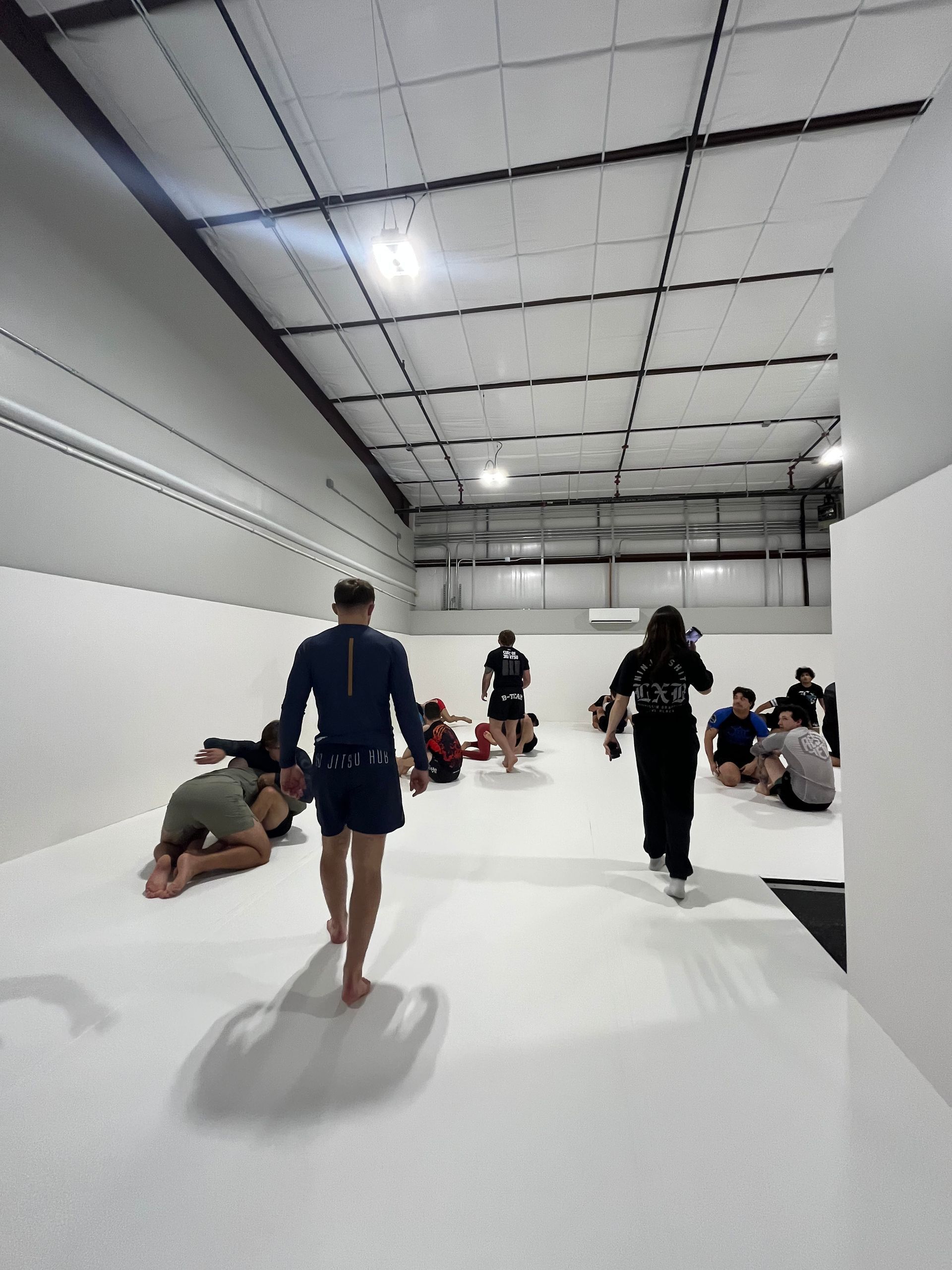
Georgetown is growing, and with growth comes busier schedules, social pressure, and a lot of screen time competing for attention. Kids need spaces where effort is coached and community is real. Our mats become that space for many families, a place where kids are known by name and guided with clear expectations.
Combat sports gyms offering BJJ have become common nationally, with BJJ now the second most popular martial art in the U.S. after boxing. Locally, that trend means Georgetown youth are increasingly aware of grappling through social media, MMA culture, and friends who train. We make sure that curiosity turns into a healthy, age-appropriate practice rather than random roughhousing.
If you are searching specifically for Kids Brazilian Jiu-Jitsu in Georgetown TX, you are probably not only looking for an activity. You are looking for something that builds character and improves how your child handles stress. That is the exact problem Jiu-Jitsu is good at solving, provided the teaching is structured and safety-minded.
Safety, injury awareness, and how we reduce risk
Parents deserve a clear answer about safety. BJJ is a contact sport, and injuries can happen. A medical study on pediatric BJJ found that about 37.5% of athletes reported an injury within the prior 12 months, averaging 0.44 injuries per athlete. It also noted an increasing trend in pediatric BJJ injuries from 2012 to 2021, with sprains and strains around 28.3% and fractures around 20.1% being among the most common.
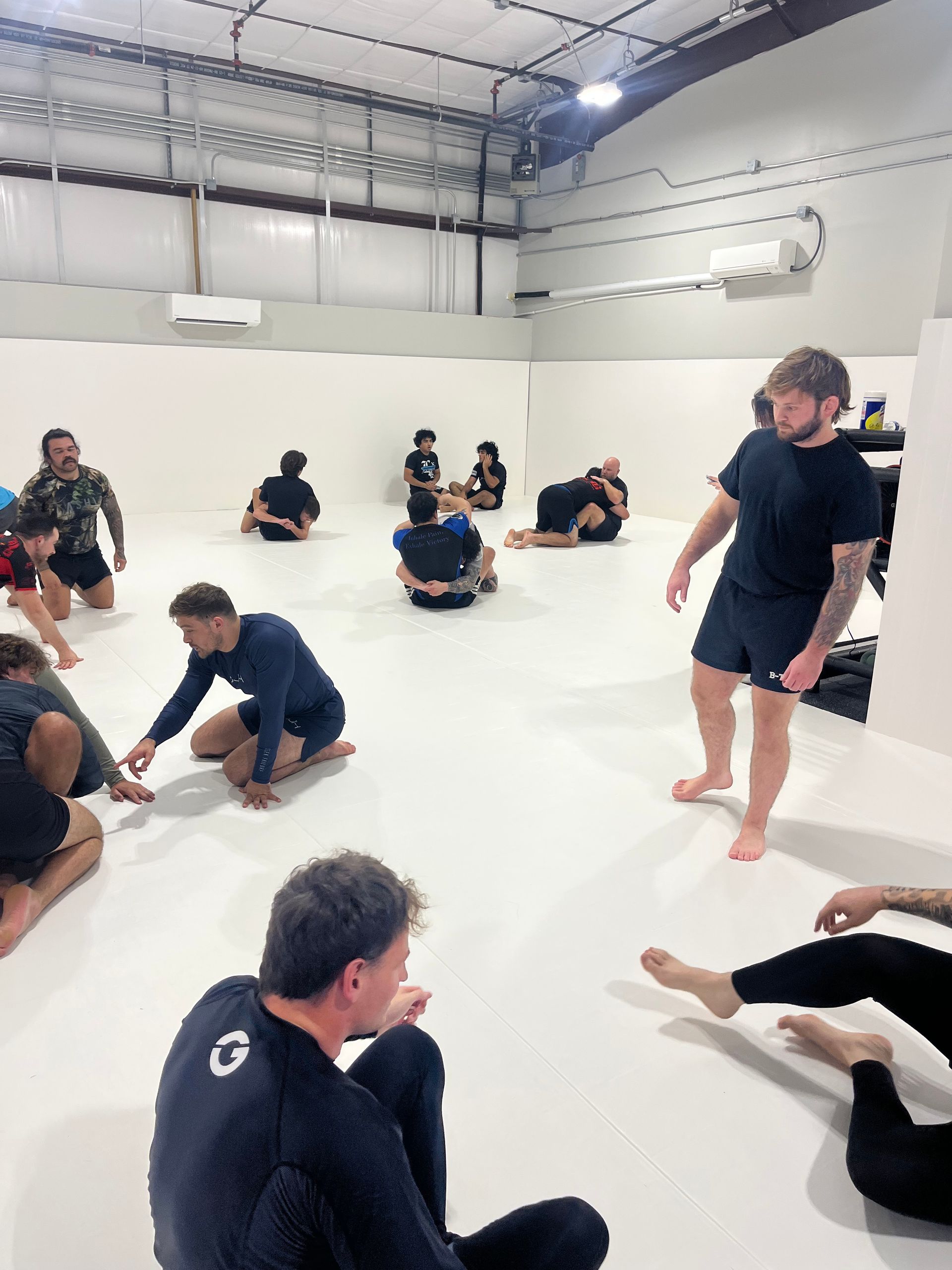
We take that data seriously, and our approach focuses on prevention, not fear. We coach kids to move with control, tap early, and prioritize safe positioning. We also keep drills age-appropriate and use progressive intensity so kids are not thrown into situations they cannot handle.
Here are the safety practices we build into our kids program:
• Structured warm-ups that teach safe falling, base, and mobility rather than random conditioning
• Clear tapping rules and frequent reminders that tapping is smart, not embarrassing
• Partner matching based on size, maturity, and skill so training stays productive and controlled
• Technique-first instruction that limits reckless scrambling and emphasizes safe body mechanics
• Active coaching during live rounds so kids learn to reset when intensity creeps up
If your child has prior injuries or is brand new to grappling, we help you choose the right pace. The goal is long-term development, not a tough day that turns into time off.
What kids learn in the first few months
Early progress in Kids Brazilian Jiu-Jitsu is often more visible in behavior than in technique, which parents usually love. In the first few weeks, kids learn rules, routines, and how to be a good partner. Those social skills are not “extras,” they are central to resilience.
Skill-wise, we focus on foundational movements, basic positions, and simple escapes. We want kids to feel competent quickly, because competence reduces anxiety. A child who knows how to frame, shrimp, and recover guard is less likely to panic.
Within the first few months, many kids can:
• Follow multi-step instructions more smoothly, even when tired or distracted
• Handle losing a round without shutting down or acting out
• Ask questions and problem-solve instead of freezing
• Show better awareness of personal space and boundaries
• Take coaching and apply it without needing constant reminders
If you are looking for Kids Jiu Jitsu in Georgetown TX, this early-phase structure is important. It helps kids settle in, feel safe, and build momentum.
Training frequency: what we recommend for resilience gains
Families often ask how many classes per week is ideal. For most kids, 1 to 3 sessions per week is the sweet spot for learning and emotional skill development. That matches research showing measurable self-control improvement with 1 to 3 training sessions weekly, and it fits real Georgetown schedules with school, homework, and weekends.
We also think consistency beats intensity. Two classes every week for months will build more resilience than five classes in one week and then nothing for the next three weeks. If your child is new, starting with one or two sessions can be perfect, then adding a third once routines feel stable.
If you are unsure where to start, the class schedule page makes it easy to map training around school pickup times, family dinners, and the reality of Texas traffic.
The community effect: resilience grows faster when kids feel they belong
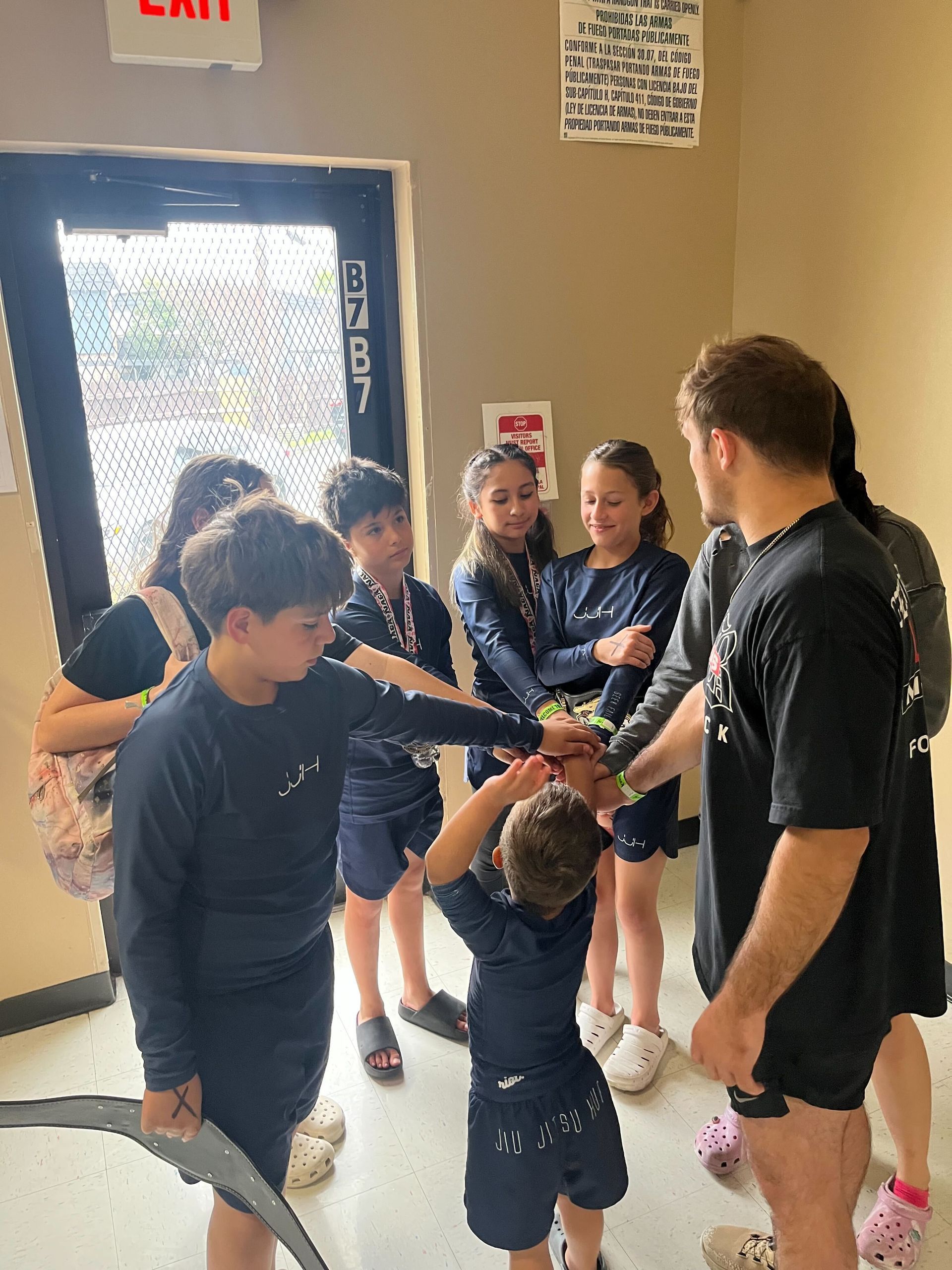
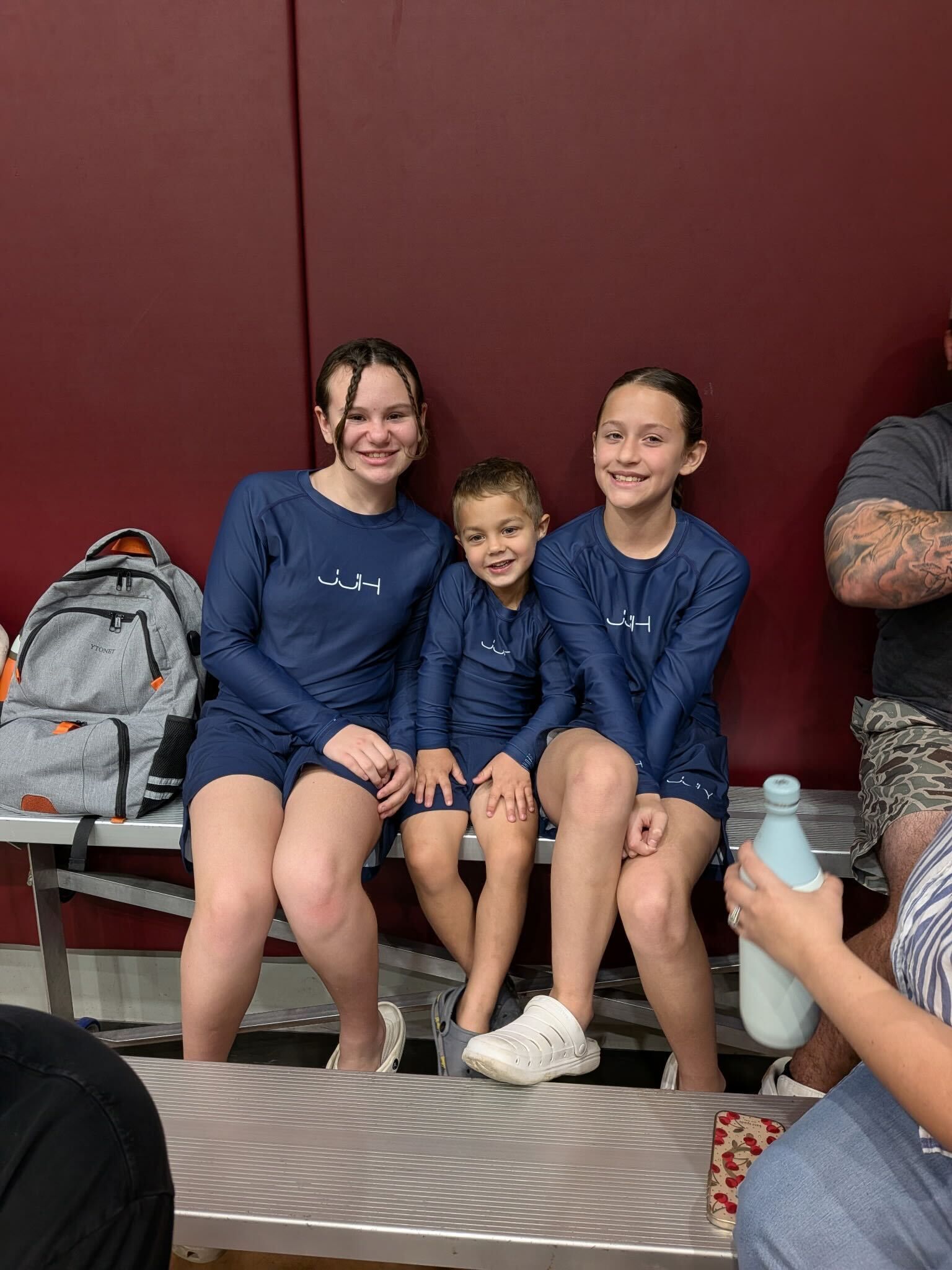
Resilience is easier to build when kids feel supported. On the mats, kids learn to help partners, celebrate each other’s progress, and practice respectful competition. Even when a child is quiet, being part of a consistent group has a calming effect.
We also see something special in the way kids cross age groups and backgrounds. A child who struggles socially at school can find a place where the rules are clear and the feedback is immediate. That clarity reduces social stress. Over time, kids start to connect through shared effort rather than shared popularity.
And for parents, community matters too. Watching class, talking with other families, and seeing your child challenged in a healthy way creates trust. That trust is what keeps kids coming back when the novelty wears off, which is when the real resilience training begins.
Take the Next Step
Building resilience is not a single lesson, it is the result of a system that rewards patience, self-control, and consistent effort. That is what we aim to deliver every time your child steps onto the mats, whether your goal is better focus, improved confidence, healthier stress responses, or simply a place where your kid can grow through challenge.
If you are exploring Kids Brazilian Jiu-Jitsu in Georgetown TX, we would love to help you start with a plan that fits your child’s personality and your family schedule. At
Jiu-Jitsu Hub, our kids program is designed to build strong bodies, steady minds, and a community that keeps kids training long after many peers have dropped out.
Support your child’s growth on and off the mats with
Kids Jiu-Jitsu training at Jiu-Jitsu Hub.