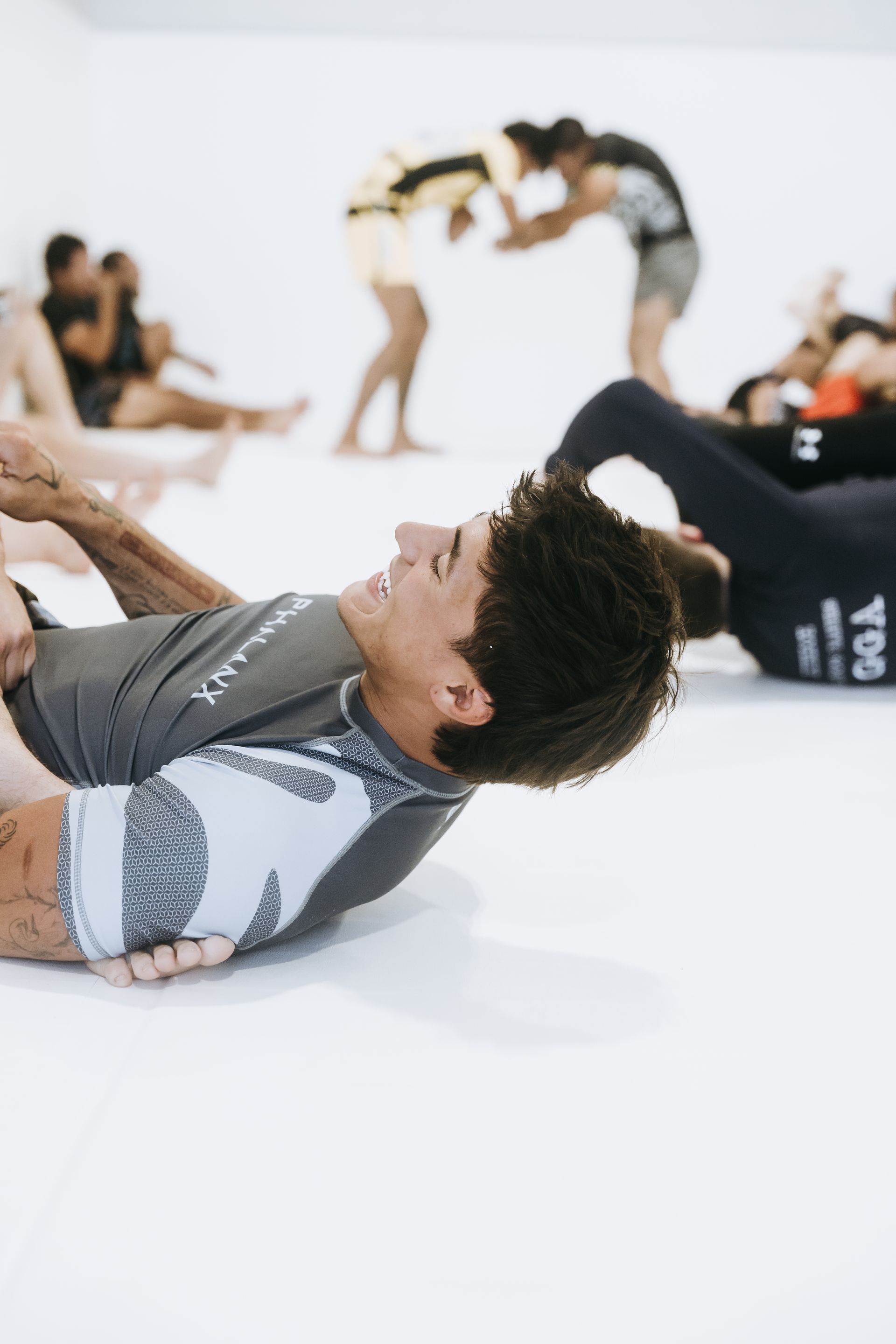
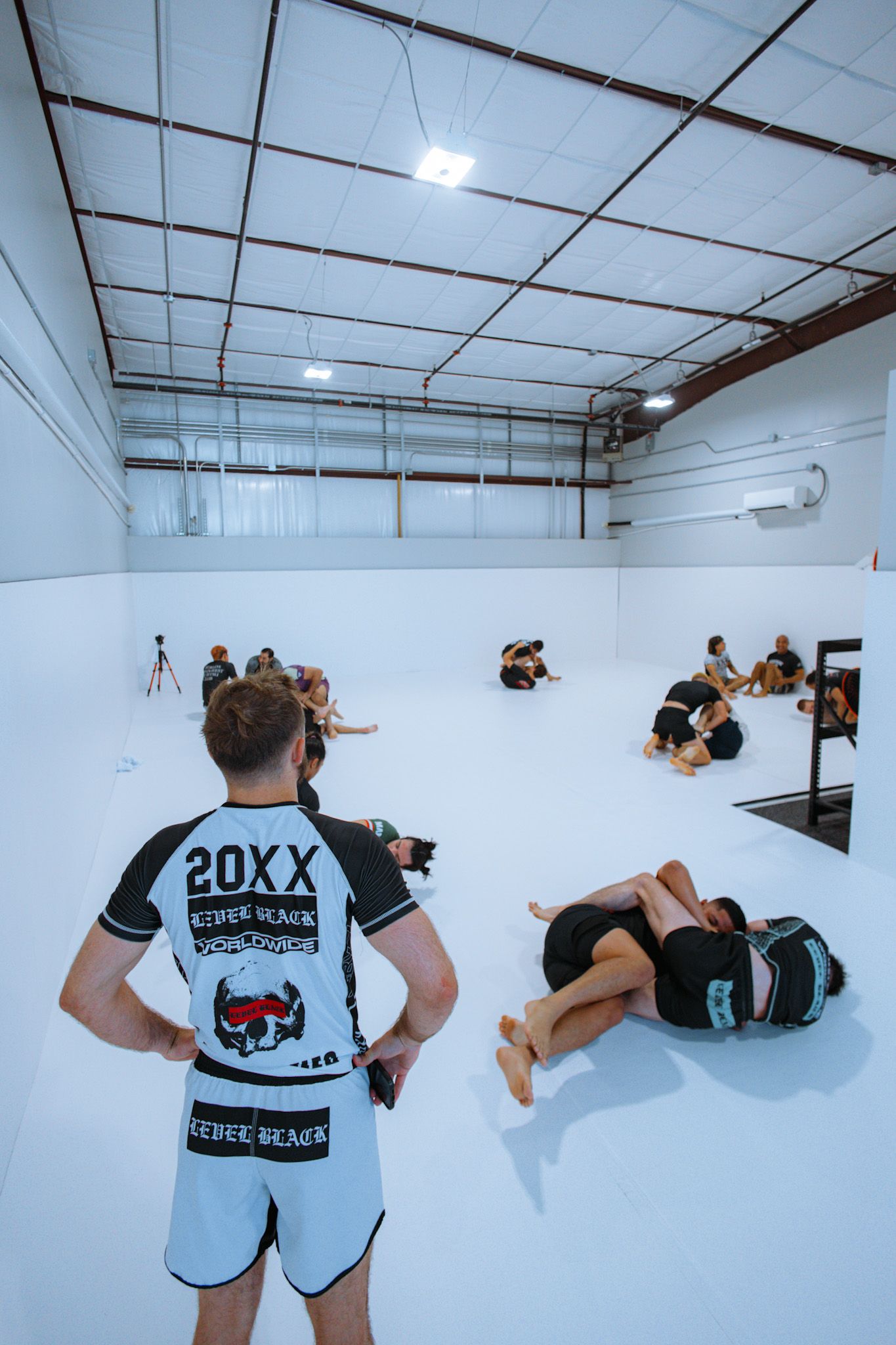
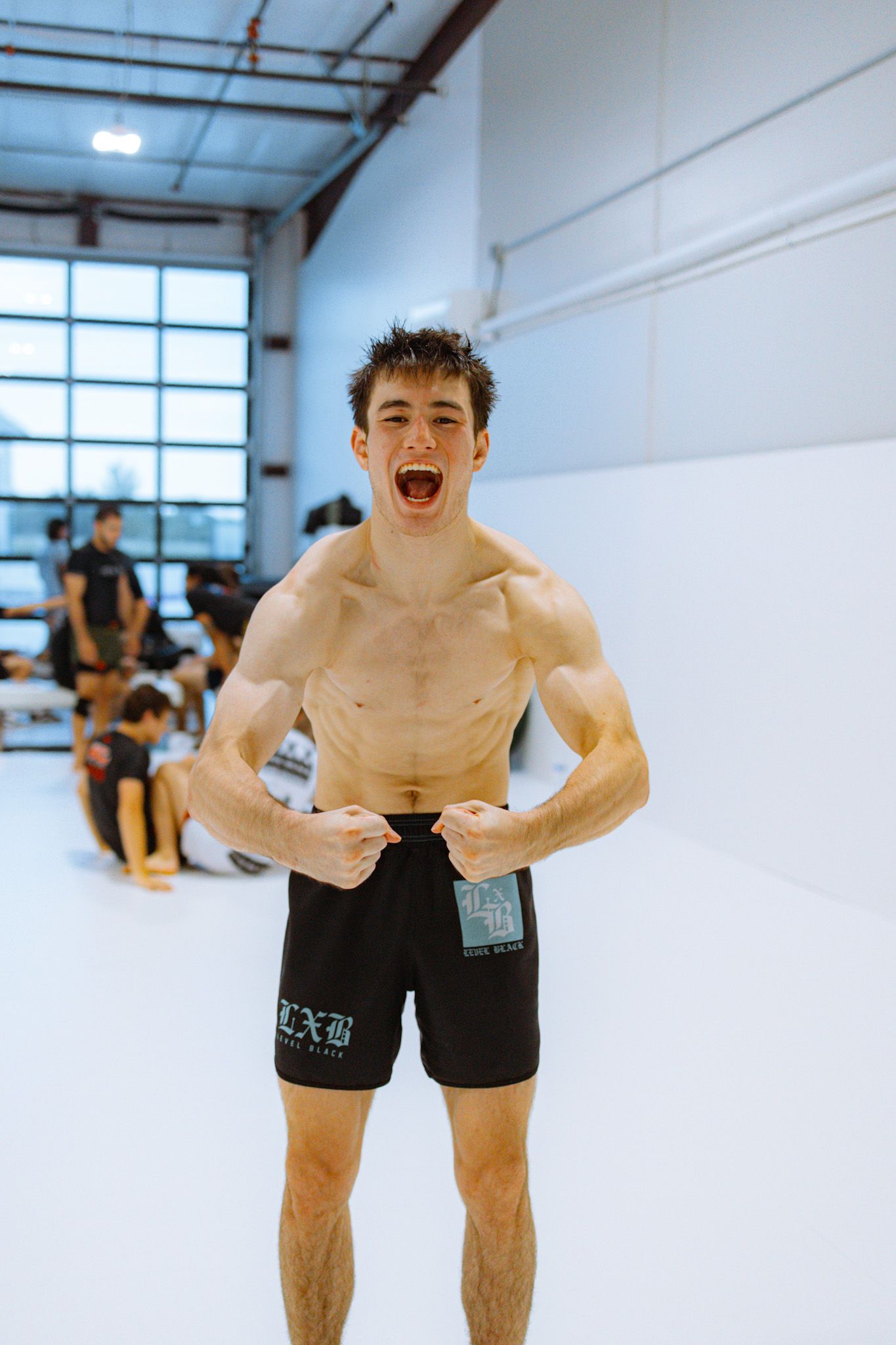
When your training gives you small, real wins every week, motivation stops being a mystery and starts becoming a habit.
Staying consistent with fitness is hard, especially when results feel vague or slow. One reason Jiu Jitsu works so well for long-term change is that progress is obvious: you either solved the problem on the mat, or you found the hole and you get to fix it next class. That feedback loop keeps you coming back.
Here in Georgetown, we meet a lot of busy adults, parents, and brand-new beginners who want something sustainable, not another short sprint of motivation. Our approach to Jiu Jitsu is built around structure, safety, and measurable growth, because consistency is what creates confidence, fitness, and real skill over time.
This article breaks down why Brazilian Jiu-Jitsu tends to “stick” when other routines fade, what you can expect as a beginner, and how our adult and kids programs are designed to support lasting motivation in a growing, family-centered community.
Why Jiu Jitsu creates motivation that lasts
Motivation usually fails when you cannot tell if you are improving. With skill-based training, improvement shows up in dozens of small ways: better balance, calmer breathing, cleaner escapes, and smarter decisions under pressure. Those wins might feel subtle at first, but they stack fast.
Research on Brazilian Jiu-Jitsu athletes backs up what we see on the mat: people often value interest and enjoyment, competence, and fitness more than appearance-based motives. In plain terms, you keep training when it is engaging, when you feel yourself getting better, and when your body starts working better in everyday life.
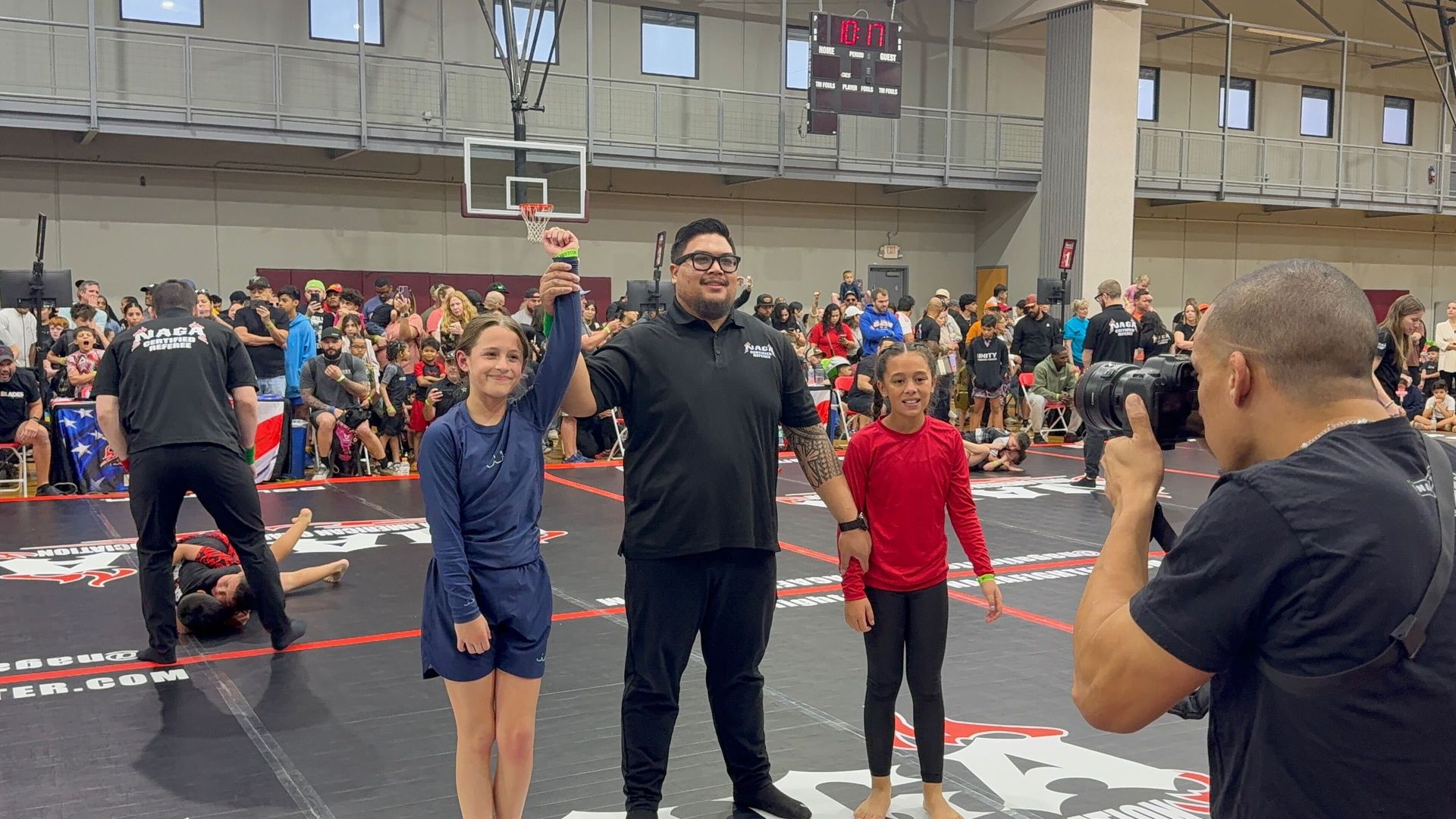
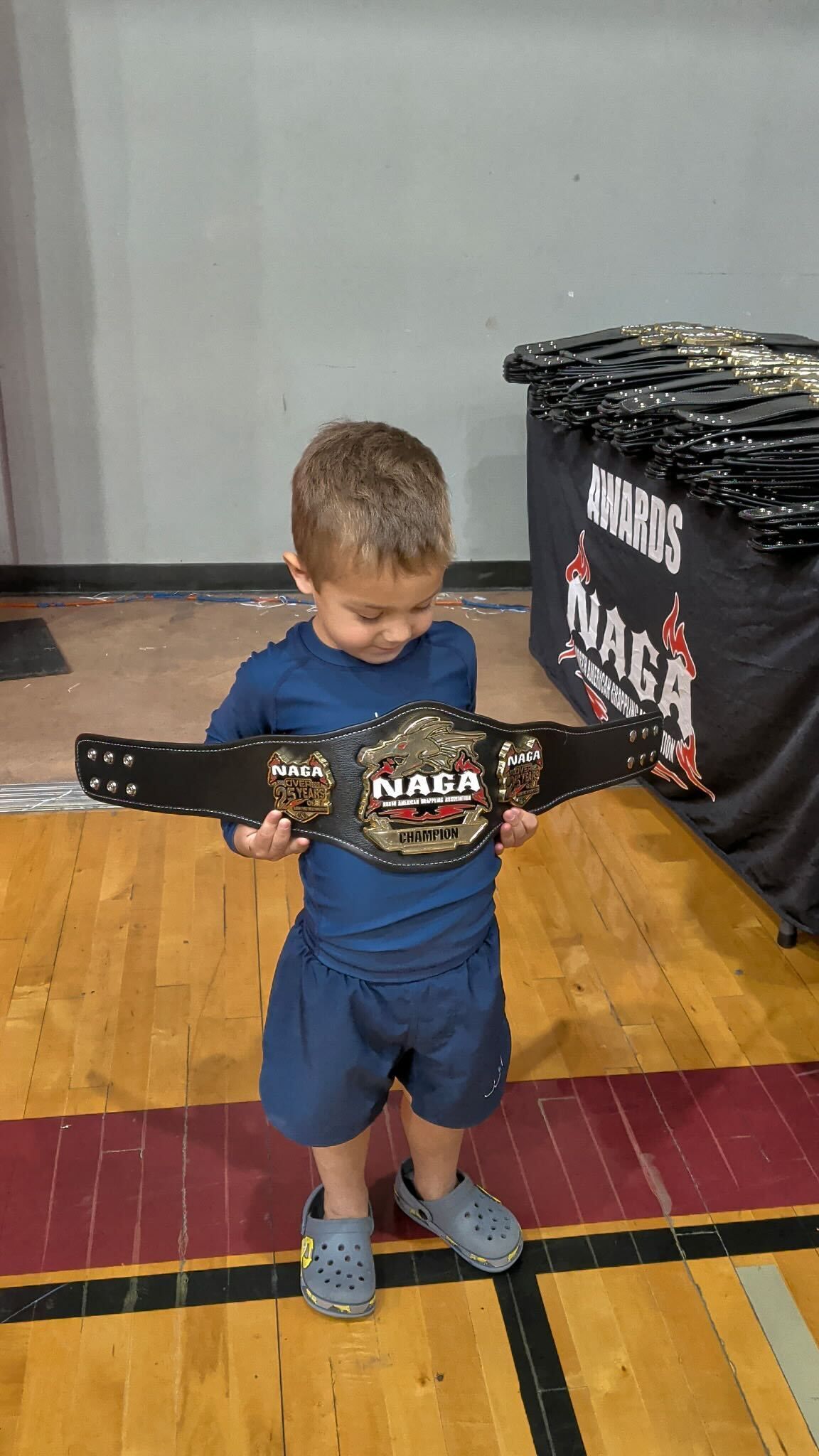
We also see that goal-oriented training helps many students stay engaged. Some students love preparing for competition, and some just want a personal challenge like earning a stripe, improving cardio, or confidently handling a tough position. The point is not the specific goal. The point is having a clear target and a path to it.
The motivation flywheel: enjoyment, competence, and community
If you have ever joined a gym and drifted away after a few weeks, it usually was not because you “lacked discipline.” More often, the routine did not reward your effort in a way you could feel.
Our classes are designed to keep the flywheel turning:
• Enjoyment: live problem-solving beats mindless reps, and you stay more engaged when class feels like learning, not punishment
• Competence: we teach fundamentals that show up immediately in sparring, so improvement is tangible
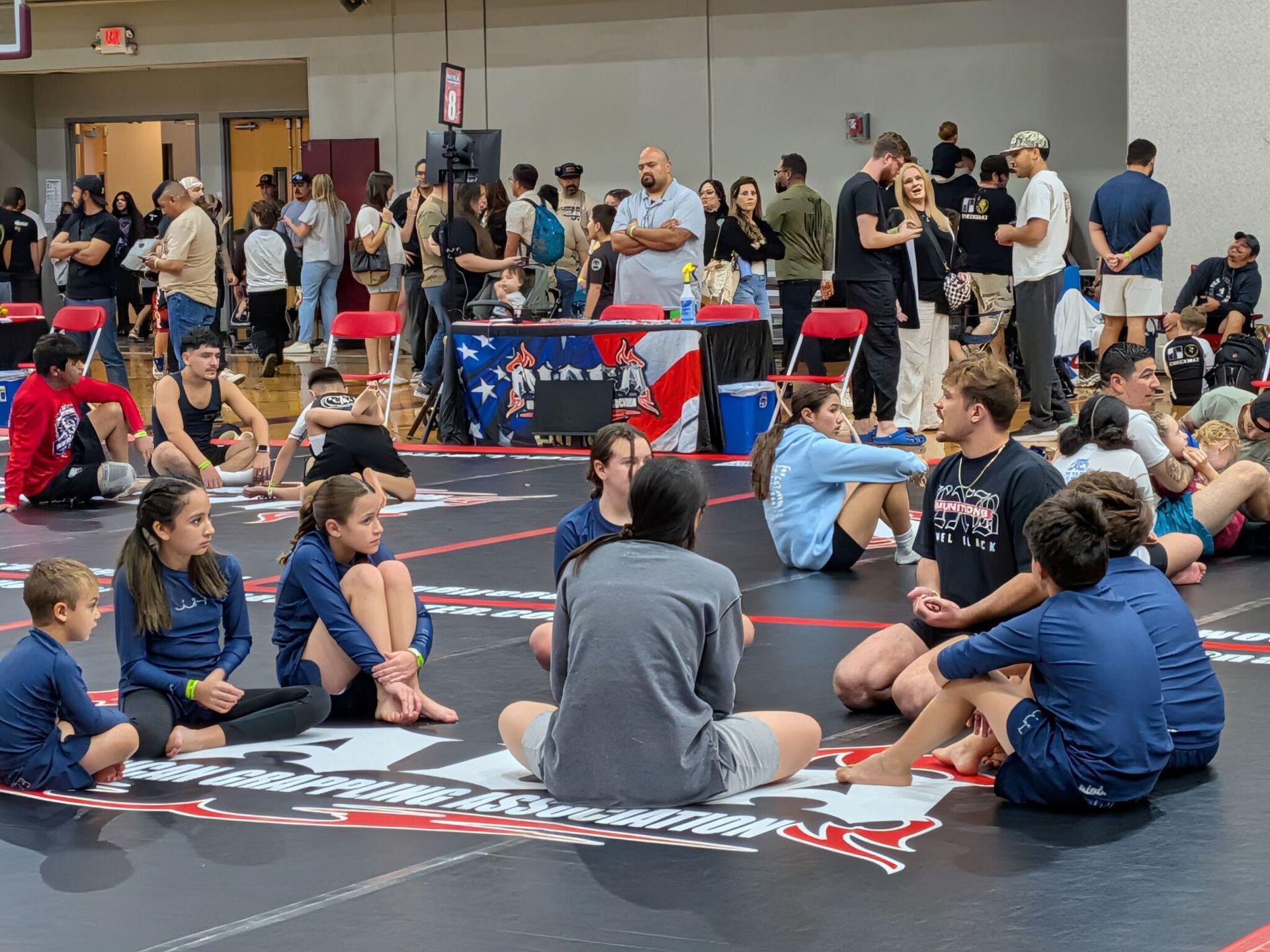
• Community: you train with the same people week after week, and that shared effort builds accountability in a natural way
• Structure: consistent class formats reduce decision fatigue so you simply show up and train
• Confidence: the calm you build under pressure carries into work, parenting, and daily stress
That combination is a big reason students stick with Jiu Jitsu long enough to see real transformation.
What growth looks like in the first 30 days
Beginners often worry about being “behind” or not being athletic enough. We get it, but we also see the same pattern over and over: if you show up consistently, you improve quickly because you are learning a new skill system, not just burning calories.
Your first month is mostly about learning how to move safely, where your limbs belong, and how to stay calm when you feel stuck. That alone is a huge win. The early progress is less about submitting anyone and more about building control, awareness, and basic survival.
Here is a realistic, useful roadmap we like to share:
1. Week 1: Learn the basic positions, simple movement patterns, and how to train safely with a partner
2. Week 2: Start recognizing common situations like guard, side control, and mount, and learn one or two reliable escapes
3. Week 3: Connect techniques into short sequences, like escape to guard, then guard retention, then a basic sweep
4. Week 4: Notice your breathing and decision-making improving, even when rounds feel challenging
If you want a practical goal, aim to train two to three times per week for the first month. That frequency tends to build momentum without overwhelming your schedule.
Adult training in Georgetown: sustainable strength, stress relief, and confidence
Adults usually come to us with a mix of goals: stress relief, fitness, self-defense, a social outlet, or simply a hobby that is not screen-based. Adult Brazilian Jiu Jitsu in Georgetown TX works especially well because it scales. You can train hard, or you can train smart and steady, and both paths lead to progress.
Jiu Jitsu also has a unique mental benefit: it forces you to focus on the present moment. When someone is trying to pass your guard, you are not thinking about email. You are thinking about frames, hips, and timing. That mental reset is a big deal for professionals, parents, and anyone carrying a lot of daily stress.
Why adults stay consistent when the training is skill-first
A common trap in fitness is chasing punishment. If a workout is only about suffering, it becomes harder to repeat. Skill-first training gives you reasons to return that are not tied to willpower.
You might come back because you almost hit a sweep and want to finish it. Or because you learned an escape but froze in sparring and want another shot. That kind of motivation feels oddly practical, like solving a puzzle you left unfinished.
Over time, the physical benefits show up too: improved conditioning, stronger grips, better mobility, and more resilient joints and posture. You earn fitness as a side effect of consistent learning.
Kids programs: focus, respect, and confidence that shows up at home
For parents in Georgetown, the big question is usually not, “Will my child learn cool techniques?” It is, “Will this help with focus, confidence, and behavior?”
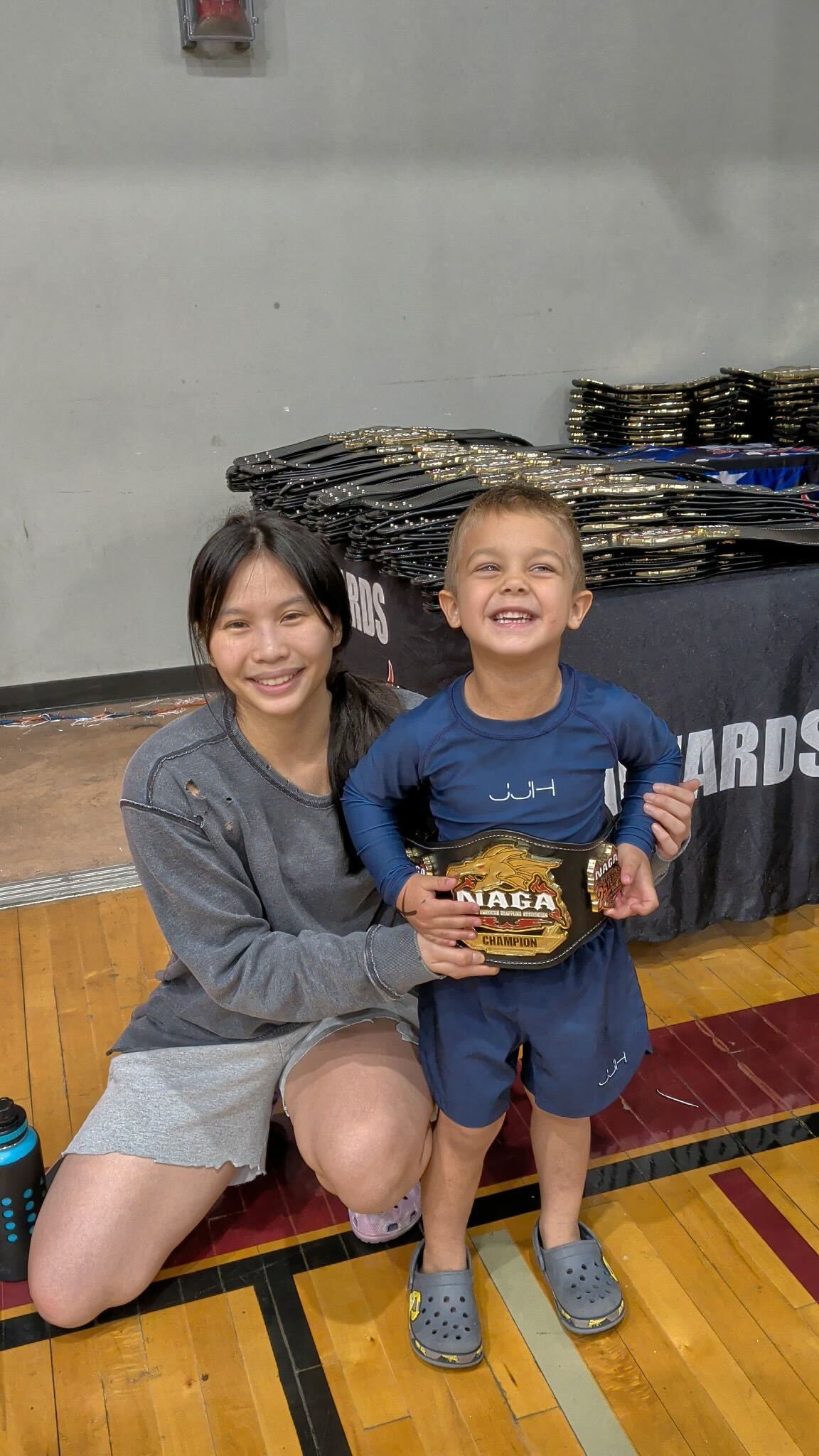
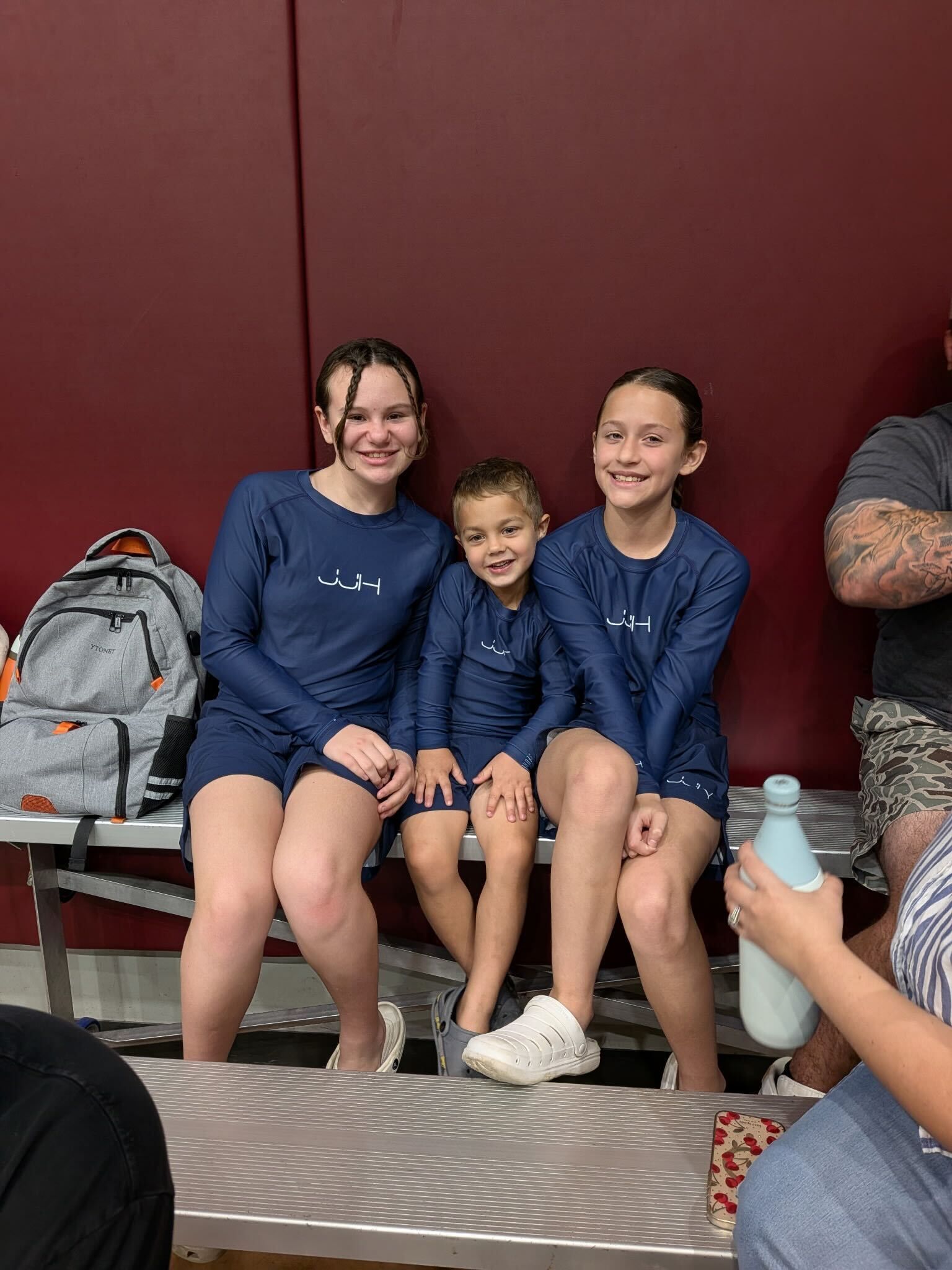
Kids Brazilian Jiu-Jitsu in Georgetown TX is naturally suited to those goals because it rewards listening, patience, and self-control. In class, kids learn to follow instructions, practice with a partner, and handle small challenges without melting down. That is not always instant, but it is real.
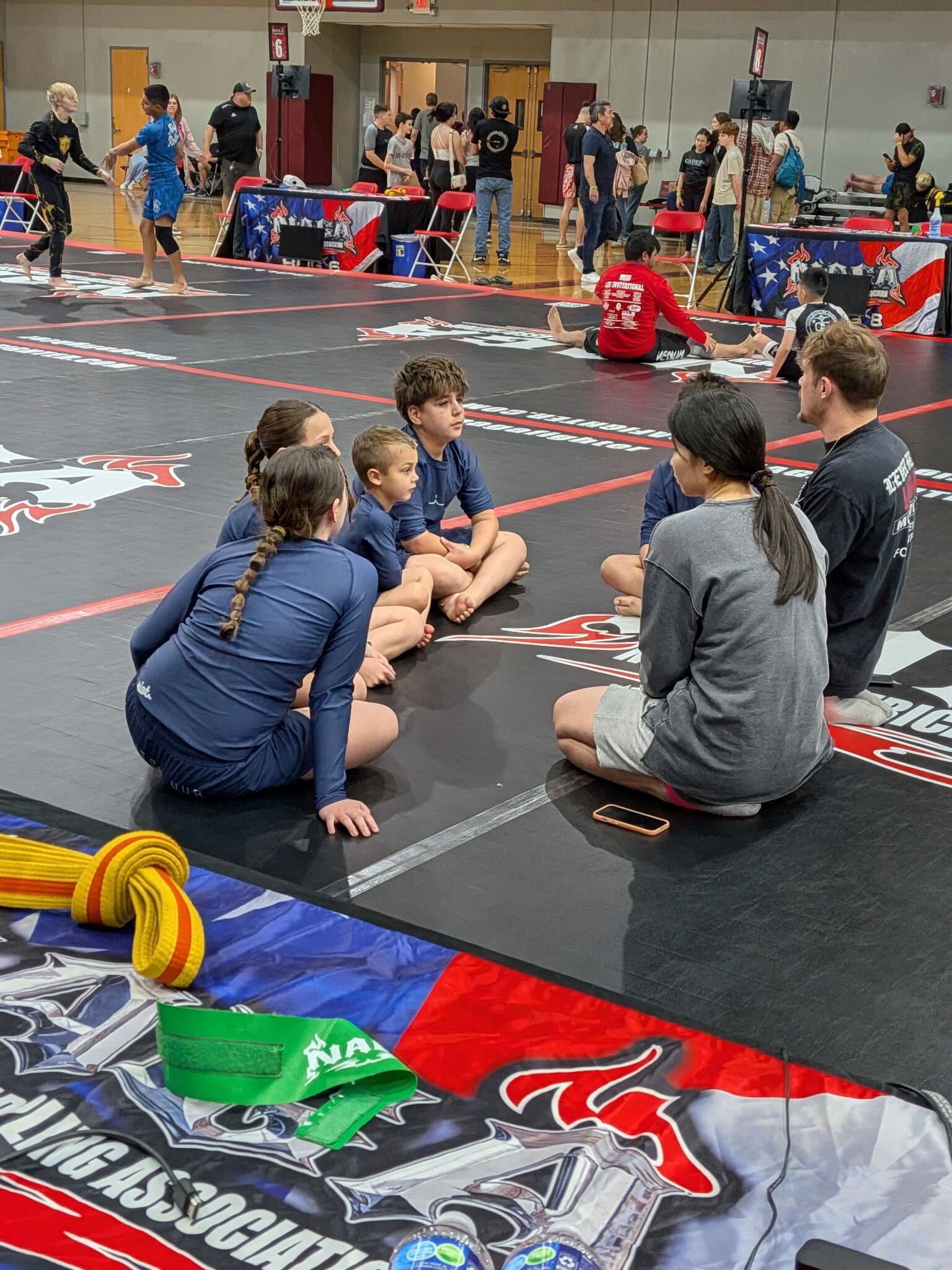
We build our kids program around positive routines: lining up, paying attention, taking turns, and learning how to be a good teammate. Those habits matter, and parents often tell us they notice carryover in school and at home.
What makes kids stick with Jiu Jitsu
Kids quit activities when the environment feels chaotic or when progress is unclear. We keep kids engaged by making growth visible and by keeping classes structured.
We also keep the tone upbeat and encouraging while still holding standards. It is a balance: kids should feel safe and supported, but they also need clear expectations. When they meet those expectations, confidence grows in a way that is hard to fake.
Progress you can measure (even before you earn a new belt)
Belts matter, but belts are not the only scorecard. In fact, if belt rank is the only “progress marker,” motivation can dip between promotions. We prefer to track smaller milestones that show you are improving right now.
Look for changes like:
• You last longer in a tough position without panicking
• You remember what to do at the start of a round instead of freezing
• You recover faster between rounds, and your cardio stops spiking so quickly
• You can explain a technique in simple language, which means you actually understand it
• You keep your posture and frames under pressure, even if you still get passed
Those are competence markers. They are also exactly what drives lasting motivation, because you can feel them week to week.
Safety and beginner comfort: what we prioritize from day one
Safety is not an afterthought. It is the foundation for consistent training. If you feel unsure or beat up every class, you will not want to return, and you should not have to “tough it out” to learn.
We build a beginner-friendly environment by teaching control before intensity. That means we emphasize tapping early, protecting training partners, and learning how to move with balance and awareness. You will still work hard, but you will work in a way that helps you train again tomorrow.
What to expect in your first class
Your first class should feel organized and welcoming, not confusing. We start with a warm-up that matches the movements you will use, then we teach a technique step by step, then you practice it with a partner. If sparring is included, we guide it appropriately so you are not thrown into the deep end without context.
If you are unsure what to wear, we will help you. If you are nervous about fitness level, you are not alone. You do not need to be in shape before starting Jiu Jitsu. Training is how you build the shape, the confidence, and the skill.
Building a routine in Georgetown: how to train without burning out
Georgetown is busy, and schedules can get crowded fast. The secret is not heroic effort. It is a routine you can repeat.
We encourage most adults to start with two or three classes per week. That is enough to improve consistently while still leaving room for work, family, and recovery. Kids often do best with one to two classes per week at first, then add more as interest and attention span grow.
If you want to accelerate progress, add one simple habit: write down one thing you learned after each class. One sentence is plenty. That tiny reflection makes your improvement feel real, and it keeps your brain engaged between sessions.
Start Your Journey with Jiu Jitsu Hub in Georgetown
Lasting motivation comes from training that feels meaningful, measurable, and enjoyable. When you can see progress in your movement, your decision-making, and your confidence under pressure, showing up becomes easier, even on busy weeks. That is the kind of growth we aim to build into every class.
At
Jiu Jitsu Hub, we have designed Adult Brazilian Jiu Jitsu in Georgetown TX and Kids Brazilian Jiu-Jitsu in Georgetown TX around structure, safety, and steady skill development so you can keep training long enough to experience the real benefits of Jiu Jitsu, on and off the mat.
If you want to take a simple next step, we have made it easy to explore the program, the class schedule, and what your first class looks like.
Give your child a positive and active outlet by
joining the youth Jiu-Jitsu program at Jiu-Jitsu Hub.