Real confidence is not loud or aggressive, it is calm, practiced, and ready when your child needs it.
Bullying is one of those things most parents in Georgetown hope stays far away from their family, yet it still shows up in schools, sports, and social circles. When you start looking for solutions, it is tempting to chase quick fixes, but confidence is rarely instant. In our experience, Kids Brazilian Jiu-Jitsu works best as a steady, values-based practice that helps children feel capable in their bodies and clear in their choices.
That is why we teach Kids Brazilian Jiu-Jitsu as a character-building activity first and a sport second. We want your child to learn how to stay composed, solve problems under pressure, and carry themselves with the kind of quiet self-belief that often discourages bullying in the first place.
In Georgetown, families are also balancing screens, busy schedules, and the need for healthy after-school routines. Kids Brazilian Jiu-Jitsu in Georgetown TX can fill that gap with structure, community, and a skill set that is practical without turning kids into fighters.
What bully-proof confidence really means (and what it does not)
When parents hear the phrase bully-proof, it can sound like a promise that bullying will never happen. We do not teach that. A better goal is giving your child the tools to handle tough moments with a calm brain and a capable body.
Bully-proof confidence, the way we use it, means your child is more likely to:
- Notice trouble early and avoid it
- Speak up clearly instead of freezing
- Use respectful boundaries
- Seek help quickly when needed
- Stay emotionally steady even if someone is trying to provoke a reaction
It does not mean your child is encouraged to retaliate, dominate, or prove toughness. In fact, the strongest long-term outcomes in martial arts tend to show up when training is structured and values-based, not when it is built around aggression. A 2026 systematic review found the evidence does not support a simple, universal reduction in aggression from martial arts, because results depend heavily on discipline, program structure, and coaching approach. That nuance matters, and we take it seriously.
Why Kids Brazilian Jiu-Jitsu is a strong fit for anti-bullying confidence
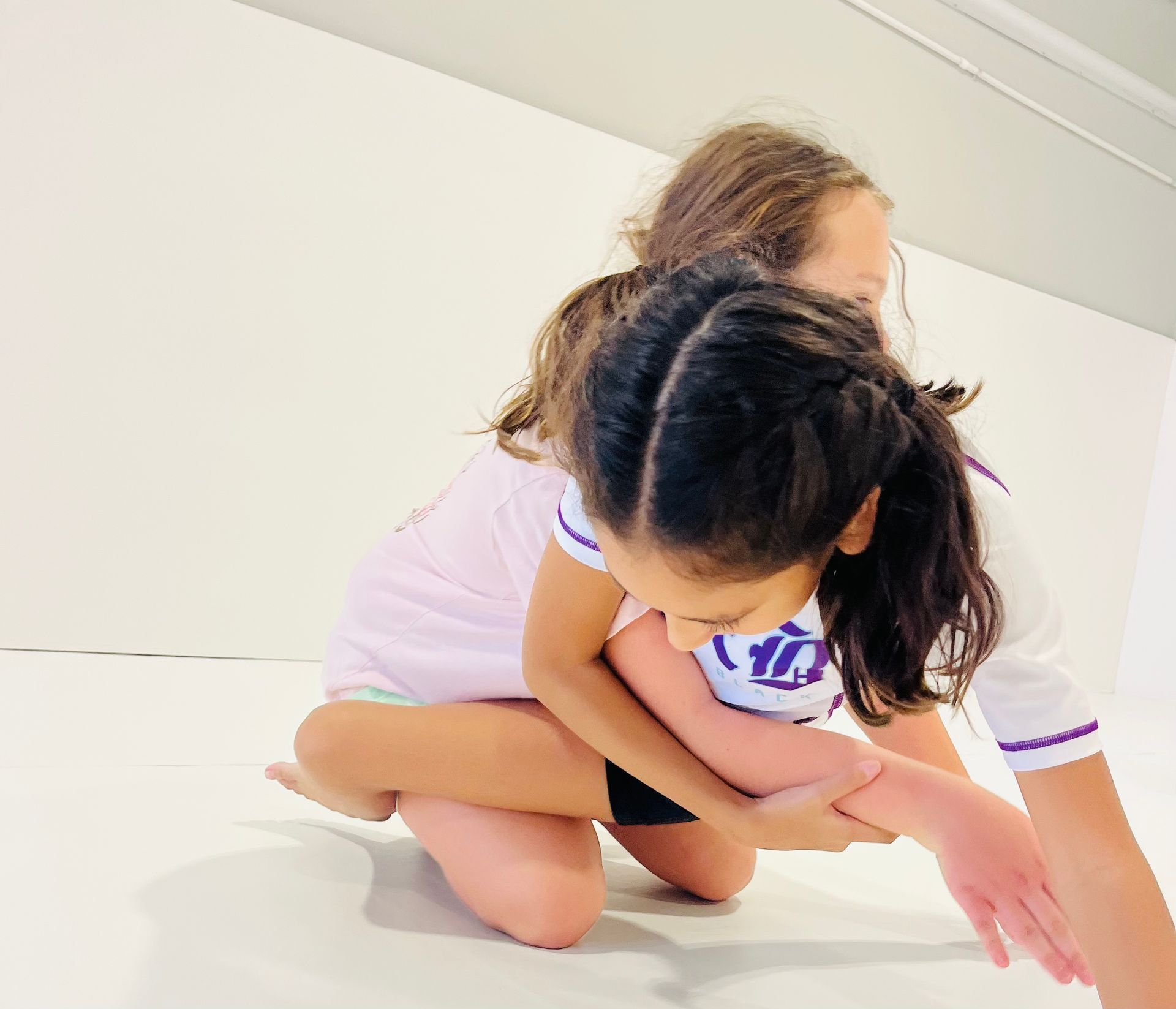
Brazilian Jiu-Jitsu is grappling-focused. That is a big reason many parents feel it fits real-life situations better than punch-and-kick styles, especially for kids. Most bullying starts close: grabbing backpacks, shoving in hallways, unwanted roughhousing, pressure in personal space. In Kids Brazilian Jiu-Jitsu, we teach children how to keep balance, create space, escape safely, and regain control without panic.
Just as important, the learning style in Brazilian Jiu-Jitsu naturally builds problem-solving. Kids face puzzles: How do I get my knees back in? How do I move from a bad position to a safer one? How do I stay calm long enough to think? Over time, that habit of thinking under pressure becomes part of who your child is, not just something your child does in class.
We also see another benefit that parents do not always expect: social confidence. Training partners rotate, kids learn to communicate, and friendships form through shared effort. For shy kids, that structured interaction can be a surprisingly gentle bridge into feeling comfortable around peers.
What the research says about martial arts, bullying, and behavior
We like clear, honest messaging: martial arts are not magic, and not every program produces the same outcomes. Still, when training is designed around respect, self-control, and non-violent conflict resolution, research supports meaningful benefits that map directly to anti-bullying confidence.
Here are a few key findings that align with how we run our kids program:
Self-efficacy and resilience can improve
A randomized controlled trial in secondary school students found martial arts-based training improved resilience and self-efficacy while control-group outcomes declined. That is a big deal, because self-efficacy is the belief that you can handle what is in front of you. For a child dealing with social pressure, that belief can change everything.
Empathy and helpful bystanding can increase
A study of a martial arts-based anti-bullying program reported that boys who attended more sessions showed less aggression and more helpful bystanding, with empathy mediating the effect. In other words, more consistent participation was associated with better behavior around bullying, and empathy was part of why.
Self-control is linked to less bullying behavior
A 2022 adolescent study found martial arts participants had higher self-control and lower bullying behavior than non-participants, with self-control linked to less bullying through reduced negative affect and aggression. That pathway matters for kids who feel big emotions quickly.
Externalizing behaviors can decrease
A 2022 review summary reported martial arts had a medium effect on reducing externalizing behaviors such as physical aggression and verbal bullying. We read that as another reminder that structure and coaching choices are not side details. They are the main event.
Participation may relate to lower victimization
A 2024 study found karate practitioners had lower victim and aggressor rates than non-practitioners, suggesting martial arts participation may be associated with greater resilience in bullying contexts. Different discipline, similar theme: healthy training cultures can help kids navigate bullying dynamics.
How our coaching approach keeps the focus on confidence, not conflict
Parents sometimes ask if learning grappling will make a kid more aggressive. The honest answer from research is that outcomes vary. That 2026 systematic review is a useful reality check: the discipline, the class structure, and the coaching approach matter.
So we build our Kids Brazilian Jiu-Jitsu classes around three consistent messages:
- We use skill for safety, not status
- We practice control before intensity
- We treat partners with respect because partners are how we learn
We coach kids to use their voice, manage their breathing, and make choices that reduce escalation. If your child is energetic and impulsive, we channel that energy into rules, routines, and measurable goals. If your child is shy and hesitant, we build comfort step by step, with lots of small wins. Either way, the goal is the same: steady confidence that shows up outside the gym.
What to expect in a kids class
Walking into a new activity can feel like a lot, for kids and parents. Here is what a typical first experience looks like in our Kids Brazilian Jiu-Jitsu program.
The first class, in plain language
We start with a quick orientation so your child knows where to line up, how to listen for instructions, and how to stay safe. Then we warm up with movement patterns that build coordination: shrimping, bear crawls, rolls, and balance games. After that, we teach a small set of techniques with clear goals, and we repeat them enough times for your child to feel improvement right away.
Sparring, when we use it, is age-appropriate and supervised. Kids learn the most when intensity is controlled and the room stays friendly, not chaotic.
Safety basics we teach from day one
We keep safety simple and consistent:
- Tapping is how we stop a position immediately, no questions asked
- Partners release right away when someone taps
- We match training intensity to age, size, and experience
- We prioritize escape skills and positional control over forcing submissions
- Coaches watch closely and correct unsafe movement fast
If you are searching for Jiu-Jitsu in Georgetown TX that puts kids-first training at the center, these details are exactly what you should be looking for.
The anti-bullying skill set kids practice without realizing it
A lot of what makes Kids Brazilian Jiu-Jitsu effective for bullying situations is not flashy. It is the quiet stuff that repeats every week until it becomes normal.
Calm under pressure
Kids learn that pressure is not the same as danger. When someone is on top in training, your child practices breathing, framing, and moving to safety. That same calm can show up at school when a classmate tries to intimidate.
Boundary setting and voice
We coach kids to communicate clearly with partners: stop, reset, slower, that hurts. That language matters. Confident kids speak sooner, and that alone can prevent escalation.
Problem-solving and persistence
Brazilian Jiu-Jitsu is a long game. Kids learn that getting stuck is temporary and that small adjustments work. That mindset is resilience in action.
Respect and empathy
Training is a partnership. Kids learn that being strong includes being careful. That is where empathy grows, and research suggests empathy can be a bridge toward less aggression and more helpful bystanding.
What parents in Georgetown ask us most
Is Brazilian Jiu-Jitsu good for kids who are shy or anxious?
Yes. Kids Brazilian Jiu-Jitsu often works well for shy kids because progress is built through small, repeatable wins. As skills improve, confidence tends to follow. The resilience and self-efficacy findings from martial arts-based training research line up with what many parents notice over time.
Will this make my child more aggressive?
Not in a well-structured, values-based program. Research does not support a universal answer, and that is why our culture matters. We emphasize self-control, respect, and non-violent conflict responses, and we correct behavior immediately when a child forgets those expectations.
Can BJJ help my child deal with bullies without fighting?
Yes. We teach awareness, distance, escapes, and composure, plus the social tools that help kids avoid escalation. If physical contact happens, our goal is control and safety, not damage.
What age should kids start?
Most families do best when children can follow simple instructions, take turns, and stay engaged in a group setting. If you are unsure, we can point you to the right beginner class based on age and attention span.
How quickly do kids gain confidence?
Many parents notice changes in posture, eye contact, and willingness to try within the first couple of months. Lasting confidence takes consistency. The research around self-efficacy and resilience supports that this is a training effect, not a one-time pep talk.
Is BJJ safe for children?
It can be, when coaches supervise closely and keep sparring controlled. We teach tapping, we manage intensity, and we keep techniques age-appropriate. Safety is not a side topic in our Kids Brazilian Jiu-Jitsu in Georgetown TX classes. It is built into the rules of the room.
Why Georgetown families value structured training right now
Georgetown keeps growing, and with that growth comes a very real need for dependable, healthy routines for kids. Parents want an after-school activity that burns energy, builds social skills, and supports emotional regulation without adding drama to the week.
Kids Brazilian Jiu-Jitsu fits that need because it is structured, progressive, and measurable. Your child can feel improvement, earn promotions, and learn how to show up even when something is hard. That kind of habit transfers to schoolwork, friendships, and sports.
One more thing: the mat is one of the few places where kids can practice discomfort in a safe way. They learn to lose a position, reset, and try again. That is bully-proof confidence in real life, not just a phrase.
Take the Next Step
If you want your child to build calm, capable confidence, our kids program is designed to do exactly that, with structure, supervision, and a culture that rewards respect. At
Jiu-Jitsu Hub, we focus on helping kids develop self-control, resilience, and practical skills that support safer choices around bullying.
You can start with a look at the class schedule, then bring your child in to experience how Kids Brazilian Jiu-Jitsu feels in person. We will meet your child where your child is at, and we will build from there, one solid week at a time.
Develop your grappling skills and make steady progress with
Jiu-Jitsu training at Jiu-Jitsu Hub.