The fastest way to feel comfortable in Jiu-Jitsu is to learn a few “survival” skills first, then build from there.
Starting Jiu-Jitsu can feel like walking into a new language class where everybody else already knows the alphabet. We get it, and we see it all the time. The good news is you do not need to be flexible, tough, or “in shape” to begin. You just need a simple plan, a safe room, and coaches who help you focus on the right things first.
Brazilian Jiu-Jitsu is also one of the fastest-growing sports in the world, with estimates around 5.0 million practitioners and roughly 8.5 percent year-over-year growth. That growth matters for you as a beginner because modern training has gotten more welcoming, more structured, and more realistic about what new students actually need: confidence early, not confusion.
In this guide, we will walk you through the beginner skills that make the biggest difference in your first month of Jiu-Jitsu in Georgetown, Texas. Our goal is practical: help you feel calmer, safer, and more capable quickly, without drowning you in advanced techniques.
What “fast confidence” really means in your first month
Confidence in Jiu-Jitsu is not about winning rounds. Early confidence is simply knowing what to do when you get put in a bad spot. When you can protect yourself, breathe, and make one smart decision, everything changes. You stop feeling helpless. You start noticing patterns. You begin to trust your body.
We teach beginners to chase clarity, not chaos. That means we emphasize a few foundational concepts that show up everywhere: posture, base, frames, and escapes. Submissions are exciting, but they come later and they stick better when your defense is stable.
If you want a simple measuring stick, here it is: in a few weeks, you should feel comfortable enough to roll lightly with a partner, get caught, escape sometimes, and understand why things happened. That is real progress.
Skill 1: Learn how to move safely before you move fast
Standing up, sitting down, and falling without panic
A surprising amount of beginner success comes from basic movement. If you cannot sit to guard smoothly, stand up with balance, or fall safely, everything feels harder. We work on small habits like keeping your chin tucked, using your hands correctly, and learning how to land without slamming your head or ribs.
Safety is also about pace. New students often move like a car with a stuck accelerator. We coach you to slow down, breathe through pressure, and choose positions instead of exploding randomly. That calmer movement is what keeps training sustainable.
Your first “win”: a stable athletic base
Base is your ability to not get tipped over. In Jiu-Jitsu, base is not stiff. It is active and adjustable, like a tripod that keeps shifting as you move. When you learn to widen your knees, keep your hips under you, and avoid reaching with your arms, you become harder to sweep and easier to control.
This is one of the earliest confidence boosters because you feel it immediately. A better base makes you feel heavier without needing more strength.
Skill 2: Frames and creating space (your pressure survival kit)
If you remember one word from this article, make it frames. Frames are the “braces” you build with your forearms, hands, shins, and knees to stop somebody from flattening you. When a partner is on top, your job is not to bench press. Your job is to make little walls that protect your neck, keep your hips free, and buy you time.
We teach beginners that space is currency. A few inches can be the difference between getting stuck and escaping. The simplest example is keeping your forearms between you and your partner’s chest, then using your hips to shrimp away. You are not pushing them away; you are building a structure that allows your body to move.
Frames are also what make training feel safer. When you know how to protect your face and neck, you can relax and focus on learning instead of bracing for impact.
Skill 3: Posture and head position (how you stop getting folded)
Posture is not just “sit up straight.” In Jiu-Jitsu, posture is how you align your spine and head so you cannot be easily broken down. Beginners often get pulled forward, lose their base, and suddenly everything collapses.
We coach a few basics that apply everywhere:
- Keep your head above your hips when you are on top or inside someone’s guard
- Avoid reaching your arms far away from your body
- Use your hips to drive pressure, not your shoulders to lean and hope
Good posture reduces panic because you feel in control of your skeleton. That sounds a little funny, but it is true. When your posture is solid, you can think.
Skill 4: Escapes from side control and mount (the two places beginners get stuck)
If you are new, you will spend time in side control and mount. That is normal. What matters is having a repeatable escape plan, not a collection of random thrashes.
Side control escape: protect, frame, hip escape
In side control, we start with “survive the pressure” skills:
1. Protect your near-side arm so it does not get isolated
2. Frame at the neck and hip (or shoulder and hip) to prevent chest-to-chest smothering
3. Shrimp your hips away to recover guard or get to your knees
The moment you stop turning toward the pressure with your arms flailing, your escape rate improves. We want you to treat side control like a problem you can solve step by step.
Mount escape: elbow-knee connection and bridging with purpose
Mount feels intense because you are pinned and someone is sitting on you. Your first job is to connect your elbows to your ribs and protect your neck. Then we teach you to trap an arm or a foot and bridge with direction, not just straight up.
A clean bridge is not about strength. It is about timing and angle. When your hips move as one unit, you create real off-balance and you give yourself space to re-guard or roll through.
Skill 5: Two simple guard retention habits that save you over and over
“Guard retention” is a big topic, but beginners do not need a thousand techniques. You need two habits that show up in every round.
Habit one: keep your knees and elbows connected
When your knees drift away from your elbows, your guard opens up like a broken fence. We coach you to bring your knees back in front of your hips and keep your elbows tight. This makes it harder for a partner to slide around your legs.
Habit two: get your frames in before you’re flat
If you wait until someone is chest-to-chest to start framing, you are late. We teach you to insert your shin, forearm, or knee early, then angle your hips. Guard retention is often about being proactive by one beat.
These two habits help you feel less “passed” all the time, which is a huge confidence shift in Jiu-Jitsu.
Skill 6: Basic grip and hand-fighting concepts (gi and no-gi friendly)
Beginners often think grips are just for the gi, but hand fighting matters either way. The principle is simple: if someone controls your head or your hips, your movement gets smaller. If you clear those controls, your options open up.
We focus on practical ideas like:
- Two hands beat one hand when you peel a grip
- Inside position matters (pummeling for better control)
- Clearing a collar tie or wrist control before you shoot your hips out
If you train in a gi, we will also help you understand how fabric grips slow movement down and create stronger anchors. If you train no-gi, you will feel more speed and scrambling. Both are valuable, and both teach timing in different ways.
What to expect in your first Jiu-Jitsu class in Georgetown
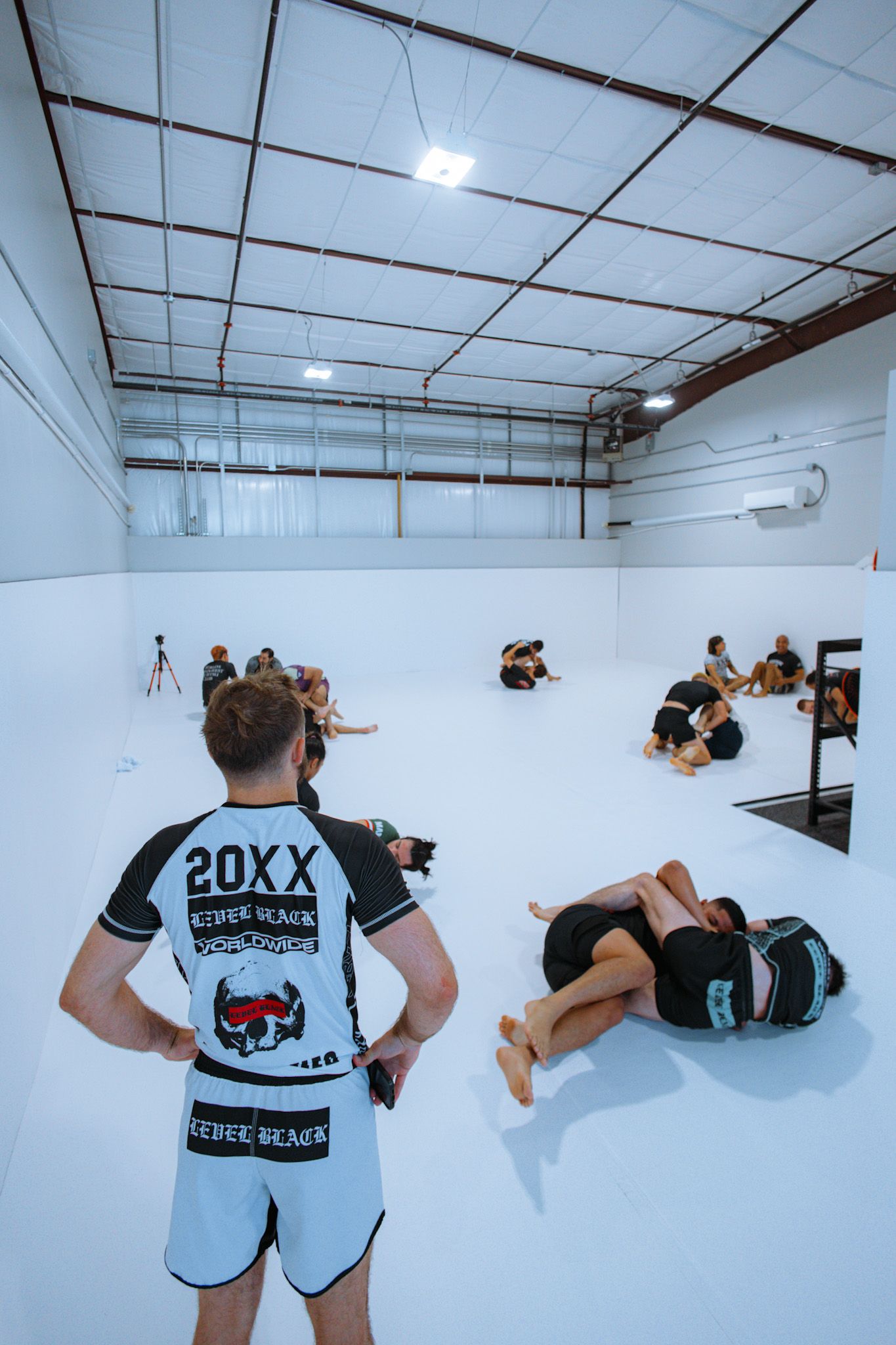
Most beginners worry about two things: looking lost and getting hurt. Our class structure is designed to reduce both. We start with a warm-up that prepares your joints and teaches movement patterns you will use on the mat. Then we introduce technique in a way that makes sense, usually with a few key details that matter most right now.
You will drill with a partner in a controlled way. We coach you to go light, ask questions, and focus on mechanics. If there is sparring or positional rounds, we keep it beginner-appropriate and we match intensity. You do not need to “prove” anything on day one.
What should you wear? If you have a gi, bring it. If you do not, we will guide you on what works. For no-gi, a rash guard or athletic shirt and shorts without pockets is usually ideal. Bring water, show up a little early, and expect to learn names like guard, mount, and side control pretty quickly.
A first-week checklist that makes everything smoother
Here is a simple checklist we recommend for your first week of Jiu-Jitsu:
• Arrive 10 to 15 minutes early so you can breathe, meet us, and learn where everything is
• Keep your goal small: learn positions and defense before chasing submissions
• Tap early and often while you learn, because tapping is how you train safely for years
• Ask one question per class, even if it is basic, because clarity builds fast confidence
• Train two or three times that week if your schedule allows, so your body adapts quicker
Consistency matters more than intensity early on. Two calm sessions per week beat one exhausting session followed by a long break.
First-month milestones we want you to notice
In your first month, progress can feel subtle until you name it. These are realistic milestones we look for:
1. You can describe the difference between guard, side control, mount, and back control
2. You can frame and shrimp without holding your breath the whole time
3. You can escape side control or mount at least occasionally against a cooperative partner
4. You can roll lightly and stay present, even when you get stuck
5. You leave class feeling energized, not wrecked, most days
If you hit these, you are building the base that makes later techniques click. This is where confidence starts to feel real.
Adults and kids: how we coach beginners differently
Adult Brazilian Jiu-Jitsu in Georgetown TX: confidence, fitness, and stress relief
Adults often come in with busy schedules, old injuries, or just a little hesitation about being the “new person.” Our approach is to keep training progressive and practical. You will build conditioning, coordination, and self-defense ability, but you will also get something harder to measure: steadier nerves under pressure. Many adults tell us that carries into work, parenting, and daily life.
We also keep convenience in mind for Georgetown life. Our location is right in town at 181 Market St #106, Georgetown, TX 78626, and our class schedule includes weekday evenings plus Sunday training. That makes it easier to train consistently without turning it into a commuting project.
Kids Brazilian Jiu-Jitsu in Georgetown TX: structure and steady wins
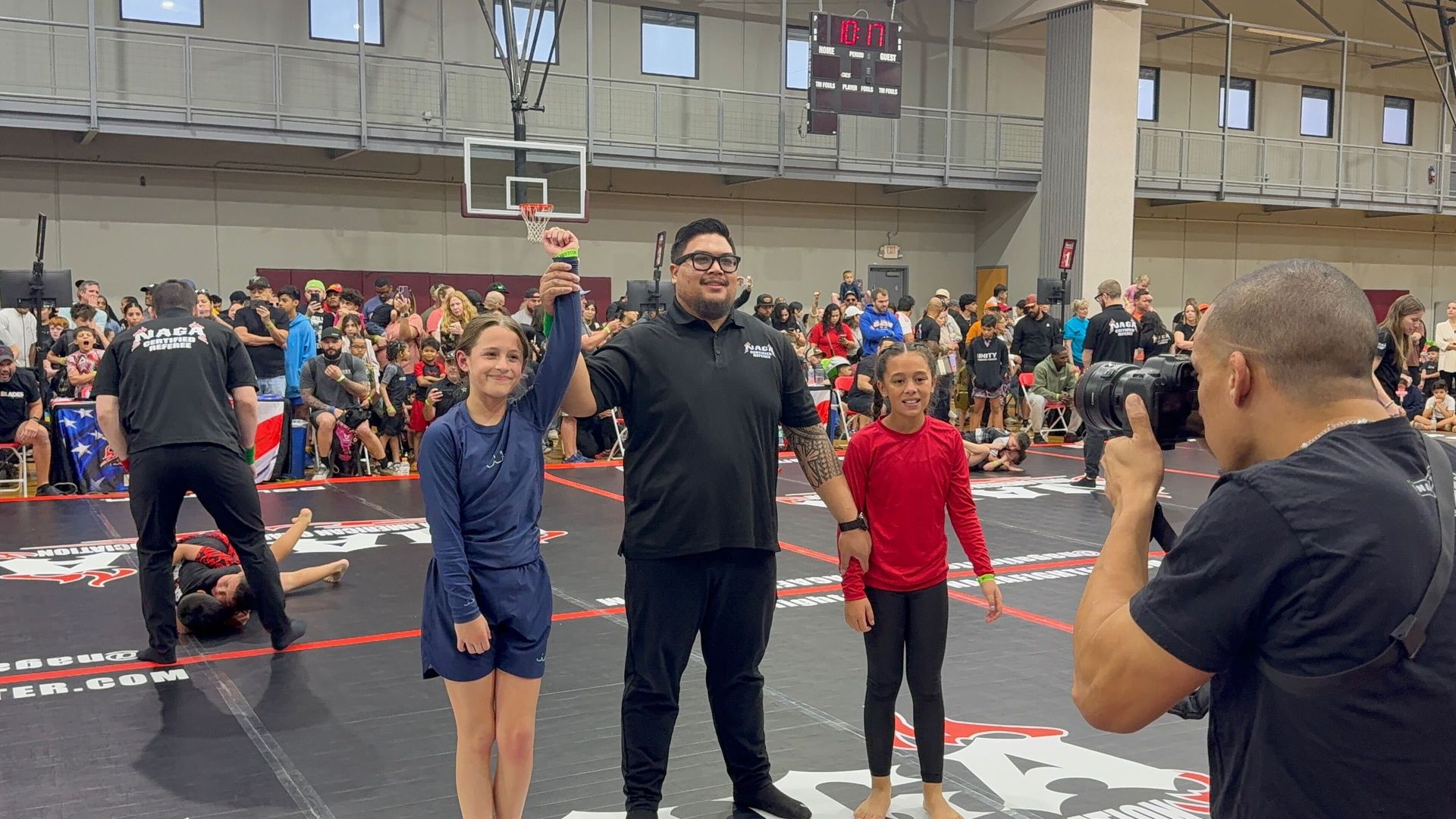
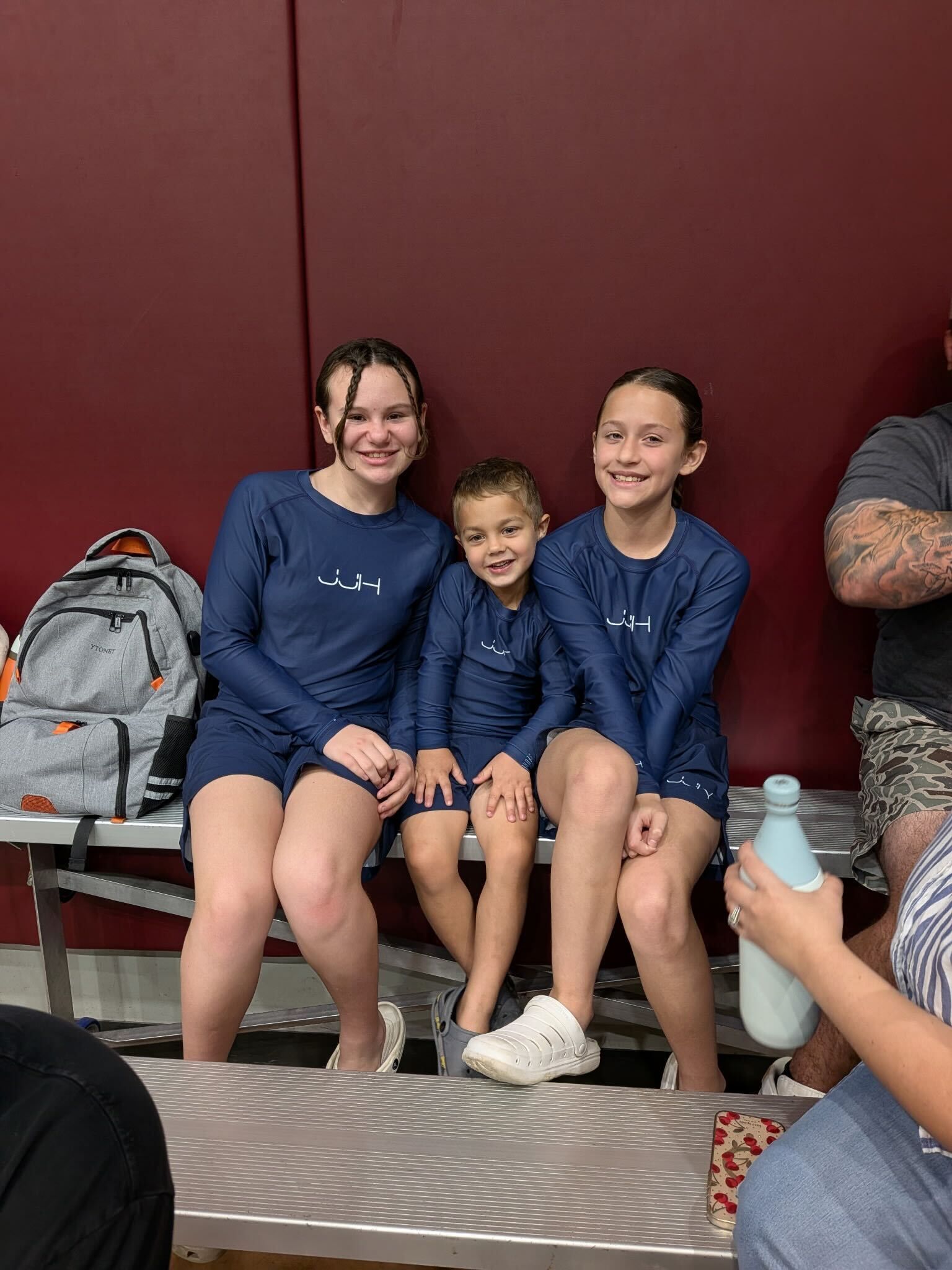
Kids need a different kind of coaching. We focus on safety, listening skills, body control, and confidence that does not turn into ego. A good kids class looks organized, with clear rules and plenty of movement. Your child should learn how to partner up, follow directions, and handle small challenges without melting down.
We also believe kids improve fastest when we praise effort and technique, not “being the toughest.” Over time, you should see better coordination, improved focus, and a calmer kind of confidence. The best part is it tends to show up at home too, in small ways.
Safety, age, and fitness: common beginner worries (answered clearly)
Is Jiu-Jitsu safe for beginners? Yes, when the room is coached well and you are taught to tap, control pace, and respect positions. We build skills gradually, and we do not expect you to spar hard right away.
Are you too old or out of shape? No. We adjust intensity and help you scale training so your body can adapt. Many people start later than expected and do great because they train smart and stay consistent.
How long until you feel confident rolling? Many beginners feel noticeably more comfortable in a few weeks if they train two to three times per week and focus on frames and escapes first. Confidence is a skill, and you practice it every round.
Ready to Begin
If you want fast confidence in Jiu-Jitsu, the secret is not chasing flashy moves. It is learning to breathe, frame, and escape so you can stay safe and think under pressure. When those basics start working, training gets fun fast, and you begin to feel like you belong on the mat.
At
Jiu-Jitsu Hub, we keep our beginner pathway simple, structured, and supportive, with a schedule that works for Georgetown adults and families. If you are ready to start, we will help you take the first step without overcomplicating it.
New to Jiu-Jitsu? Start your journey with a
beginner-friendly class at Jiu-Jitsu Hub.