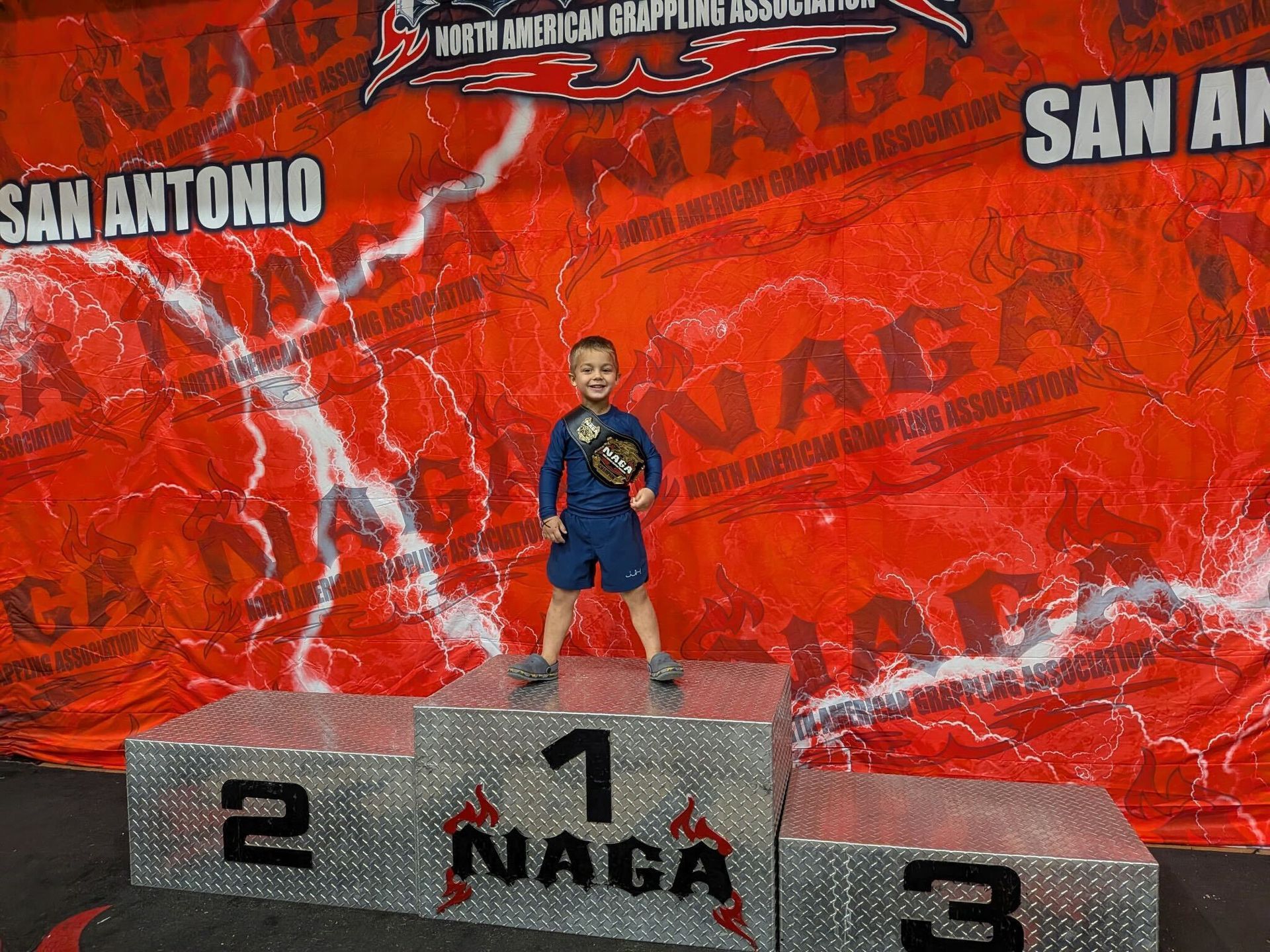
A good kids activity should burn energy, build character, and still feel like the best part of the day.
Georgetown parents keep asking for the same thing: a structured activity that helps kids move their bodies, learn self-control, and stay engaged without feeling like another after-school lecture. That is exactly why Kids Brazilian Jiu-Jitsu keeps showing up in family conversations around town.
In our kids program, we blend movement, games, and skill-building into a class that feels fun but still has real direction. Kids learn how to listen, take turns, and solve problems with a partner. Just as important, they learn how to handle the tiny setbacks that happen when something does not work on the first try.
If you are considering Kids Brazilian Jiu-Jitsu in Georgetown TX, it helps to know what children actually do on the mats, what benefits are promising versus proven, and what safety standards you should expect from a well-run program.
What Kids Brazilian Jiu-Jitsu actually teaches (and what it avoids)
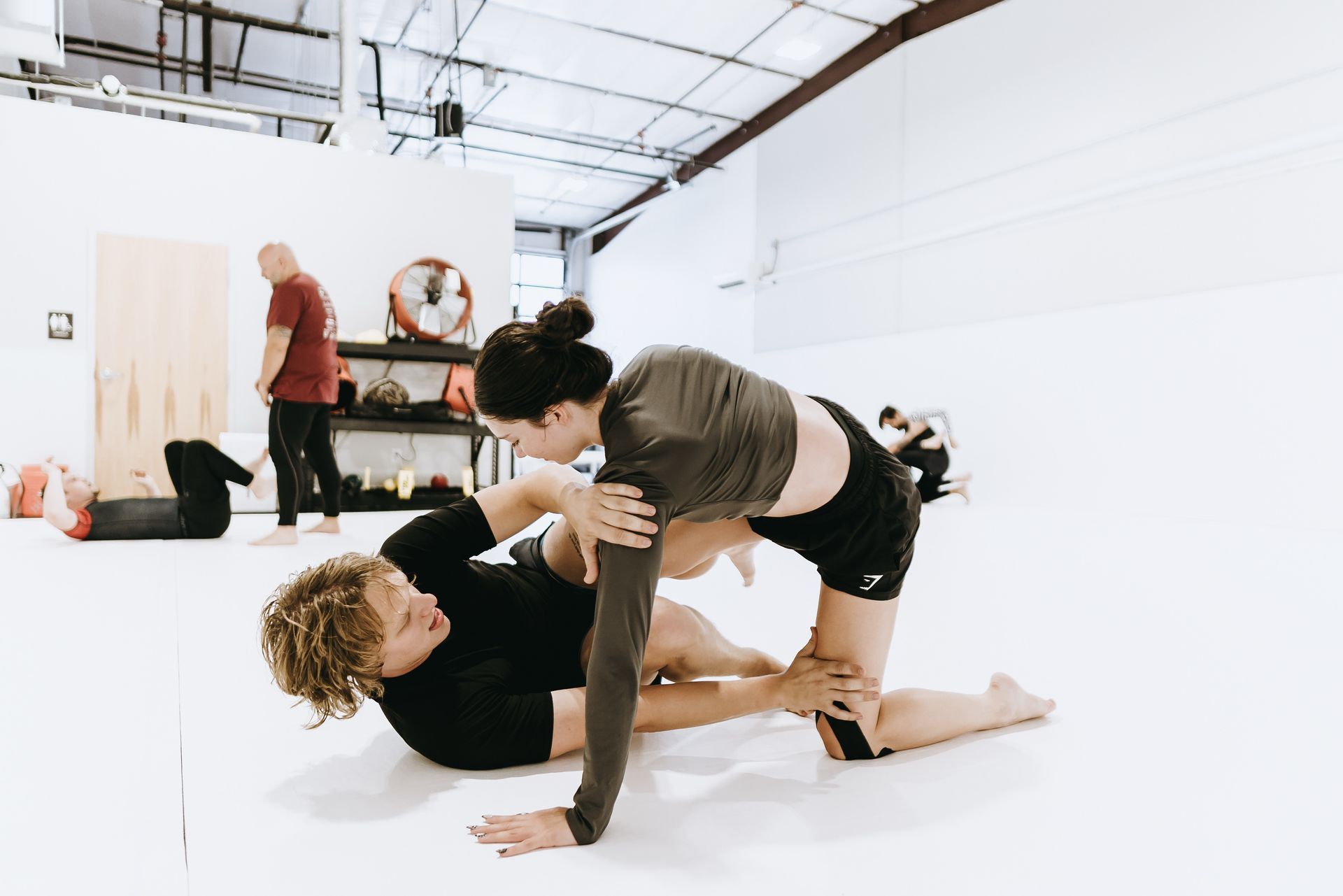
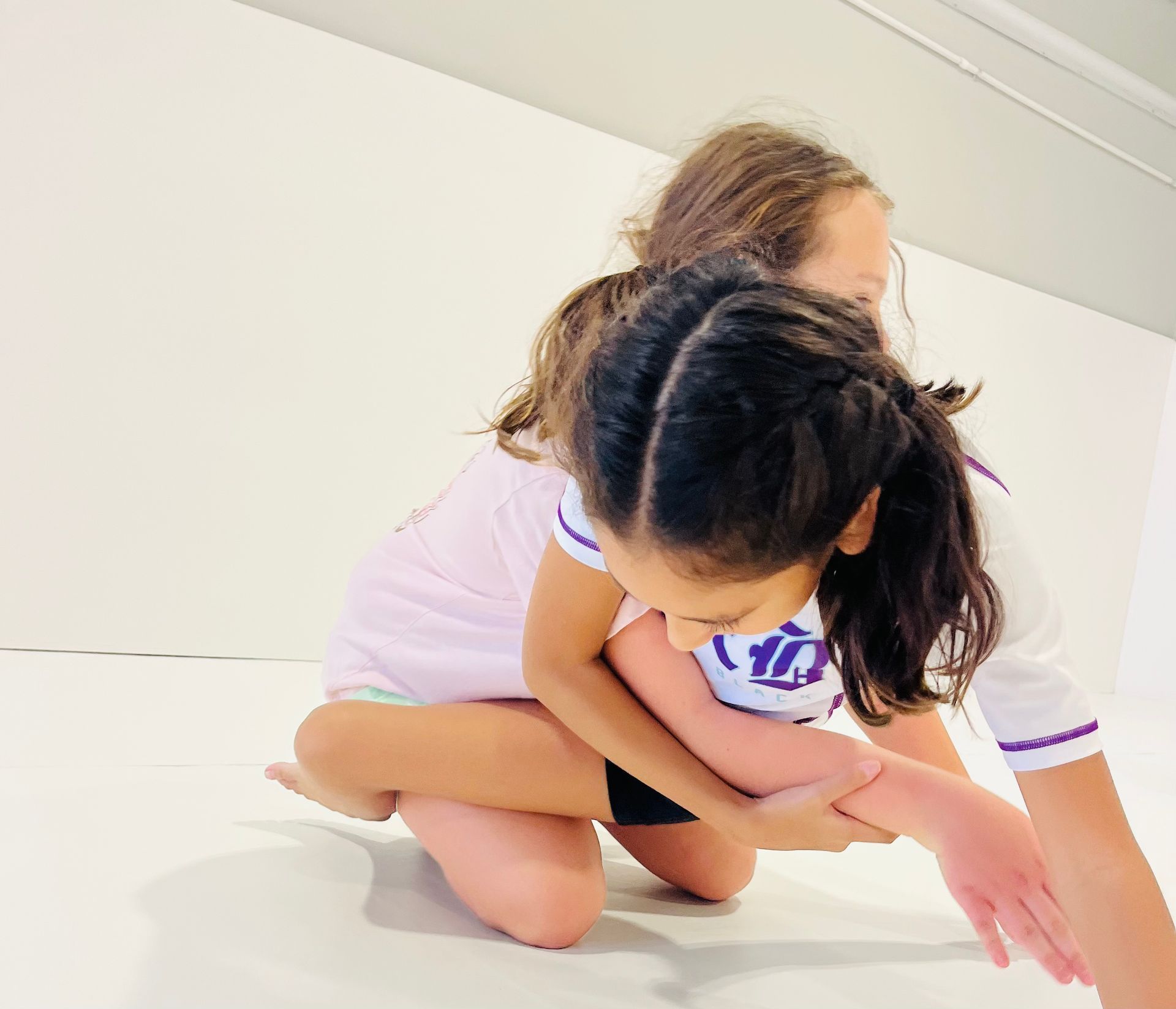
Brazilian Jiu-Jitsu is a grappling martial art. Instead of focusing on punching and kicking, we teach children positional control, escapes, takedown basics, and age-appropriate submissions. For many families, the non-striking emphasis is a relief, especially for kids who are not excited about head contact.
That said, non-striking does not mean non-contact. Kids still learn physical skills with partners, which is why coaching, structure, and rules matter so much. Our goal is controlled learning, not chaos. Kids should leave class tired and proud, not overwhelmed or rattled.
The “solve the position” format builds attention in real time
A big reason Kids Brazilian Jiu-Jitsu feels different from many sports is the built-in problem-solving. A child is not just running laps or repeating a drill for the sake of repetition. We show a position, explain a simple goal, and guide kids through how to get there safely.
Focus in class often looks like small, observable behaviors:
- Listening for one key coaching cue, then trying it right away
- Remembering the next step in a movement sequence
- Waiting for a partner’s turn without interrupting the drill
- Staying calm while stuck under a position for a few seconds
- Resetting and trying a new approach when the first attempt fails
This is not magic, and we will not promise guaranteed behavior change. It is simply consistent practice in paying attention, making decisions, and regulating effort.
Why Georgetown families like BJJ as an after-school routine
Georgetown has no shortage of youth activities, but schedules get tight fast. A martial arts class can fit neatly into the space between school and dinner, and it gives kids a predictable rhythm. Walk in, bow in, warm up, drill, partner work, cool down. That routine alone can be helpful for many kids, especially ones who thrive when the expectations are clear.
We also hear a practical point from parents all the time: an indoor sport matters in Texas. Heat, storms, and seasonal weather changes can make outdoor practices tough. A consistent indoor class means fewer cancellations and less scrambling.
And honestly, some kids just do not love traditional team sports. They might not enjoy fighting for a starting spot, running set plays, or being on display in front of a big crowd. Kids Brazilian Jiu-Jitsu gives them individual progress inside a supportive group, which can be a really comfortable combination.
What the research supports, and what we describe more cautiously
Martial arts participation is often associated with positive youth development: improved fitness, motor skills, concentration, discipline, respect, social skills, and self-confidence. Pediatric guidance frequently frames these outcomes as potential benefits when training is age-appropriate and supervised.
A 2025 clinical review reported evidence that martial arts can improve cardiorespiratory fitness, strength, flexibility, and balance in children ages 4–13. So from a physical development perspective, the case for training is strong.
Research specifically on children’s Brazilian Jiu-Jitsu is still limited, though. That matters. When we talk about focus, confidence, or emotional regulation, we talk about them as promising outcomes that many families report and that our coaching approach encourages, not as guaranteed results. If your child has attention or behavioral concerns, Brazilian Jiu-Jitsu can be a helpful structured activity, but it is not a medical treatment. For diagnosis or care plans, we always recommend working with qualified healthcare professionals.
Why “fun” is not a bonus, it is part of the learning
Kids learn better when class feels active. That does not mean unstructured. It means we use age-appropriate games, movement challenges, and partner drills that sneak skill-building into play.
For younger kids, a class might include animal walks, balance games, tumbling basics, and simple grappling concepts like “hold and move” or “escape and stand.” For older kids, the games evolve into positional challenges that look more like real jiu-jitsu: start in a controlled position, use a specific escape, reset, and repeat.
When kids laugh during warmups and still lock in when technique starts, that is a win. Fun and focus reinforce each other. If a child enjoys the process, the attention comes more naturally.
Safety first: what you should expect in kids’ BJJ
Brazilian Jiu-Jitsu can be a reasonable activity for children when it is coached responsibly. It is not risk-free. Falls, joint stress, accidental bumps, and overly intense sparring can cause injuries. Youth martial arts also has emerging concussion concerns, with risk shaped by age, developmental stage, training intensity, duration, skill level, and exposure to sparring.
We follow an age-appropriate progression and keep clear boundaries around contact. Pediatric guidance emphasizes qualified supervision, gradual progression, and caution with high-intensity sparring and competition until kids show sufficient physical and emotional maturity. That matches how we structure our kids program.
Our approach to keeping class controlled
Safety is not one rule, it is a system. Here are the standards you should see in action in a well-run kids class:
1. Clear age group structure so kids train with peers at similar developmental levels
2. Fundamentals first, including breakfalls, base, and safe movement before intensity increases
3. Close coaching supervision during partner drills and any live rounds
4. Partner matching by size, age, experience, and maturity, not just belt level
5. Strict rules against cranking submissions or treating training like a fight
6. Gradual introduction to sparring, with plenty of positional drilling first
7. A straightforward policy for suspected concussions: stop training, communicate with parents, and require medical evaluation and guided return before coming back
Headgear may reduce certain structural injuries in some situations, but it should not be sold as concussion prevention. The more reliable approach is smart coaching, controlled training, and quick response to symptoms.
What your child’s first class usually looks like
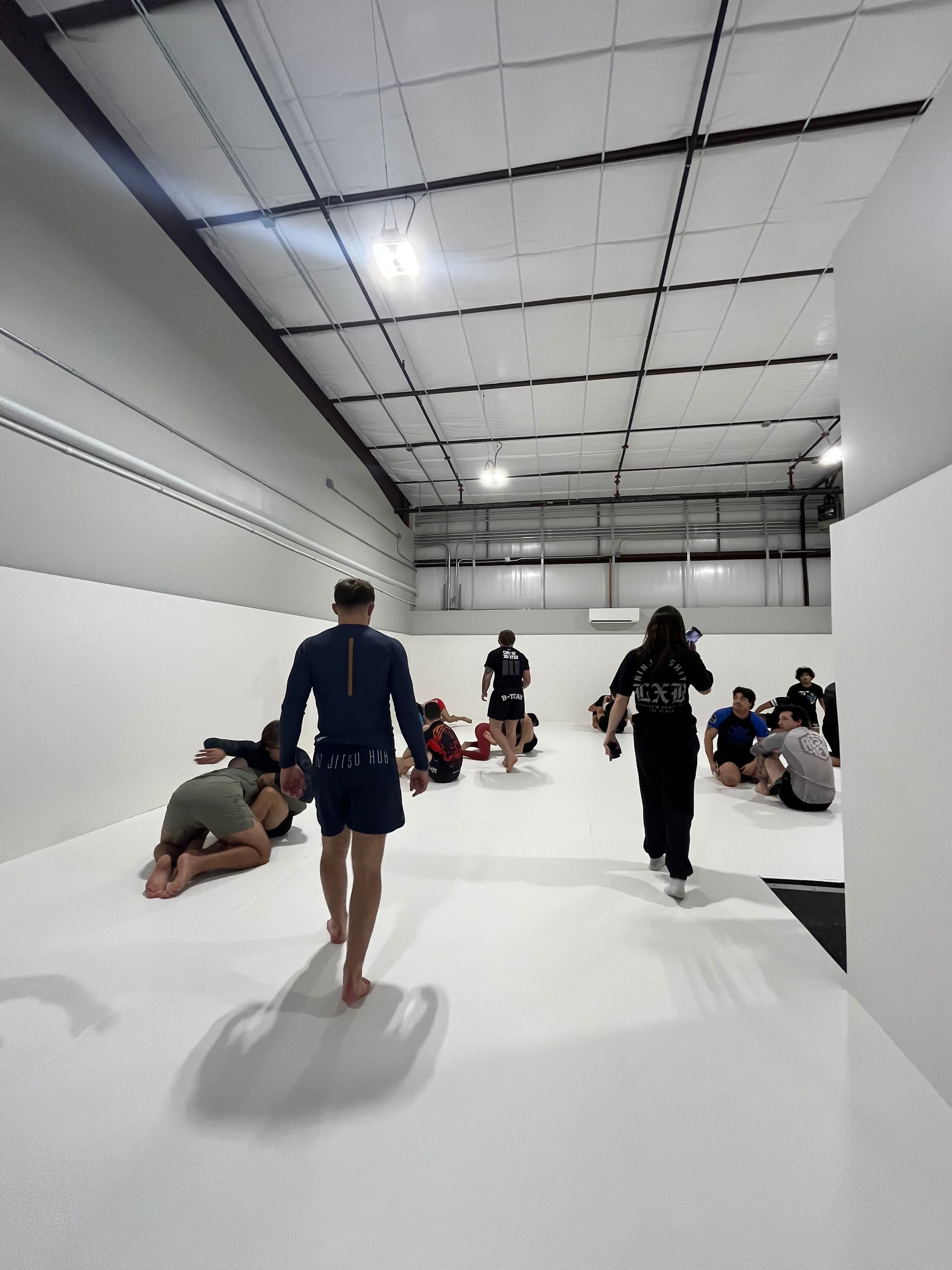
Most kids are a little unsure walking in, even if they are excited. That is normal. We keep the first class approachable, and we explain expectations in plain language. Kids do not need to be athletic before starting. We build the foundation step by step.
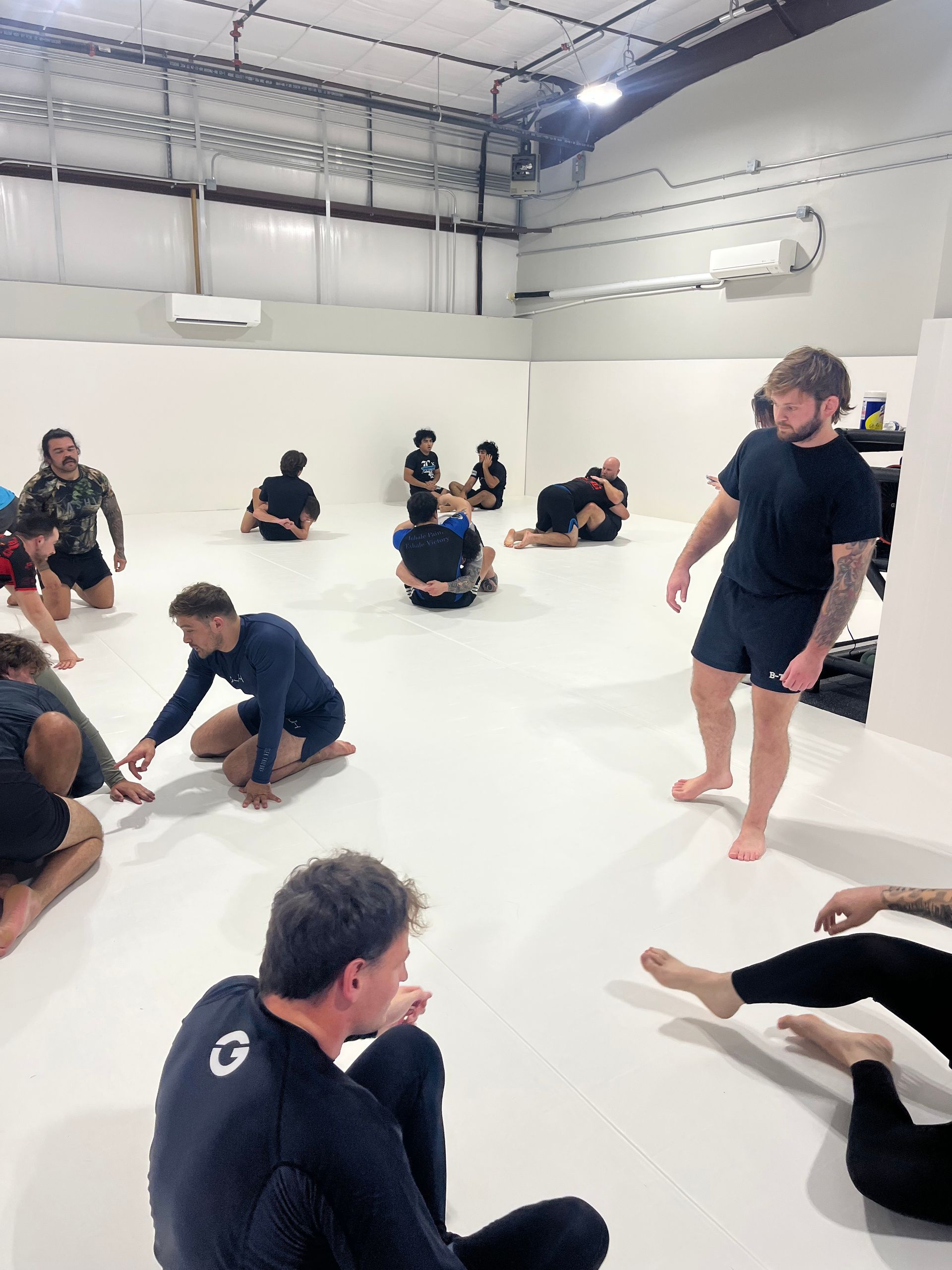
A typical first visit for Kids Brazilian Jiu-Jitsu in Georgetown TX often includes:
- Simple warmups that look like games but teach coordination and balance
- A basic movement skill such as shrimping, bridging, or standing up safely
- One or two beginner techniques with a clear goal and a clear stopping point
- Partner drilling with coaching support so kids do not feel lost
- If live practice happens, it is introduced carefully and kept age-appropriate
You can also expect reminders about hygiene and safety. Clean training clothes, trimmed nails, and no jewelry are not just formalities. Grappling is close-contact, so these details matter.
A practical “before your first class” checklist
If you want your child to have a smoother first day, this short checklist helps:
• Bring water and arrive a little early so your child can settle in
• Wear clean athletic clothing unless we tell you a uniform is required for that class
• Skip zippers, buttons, and anything with hard plastic parts
• Remove jewelry, watches, and sharp hair accessories
• Trim fingernails and toenails to help prevent scratches
• Tell us about past injuries, medical concerns, or anything you want us to watch for
• Remind your child that it is always OK to pause and ask questions
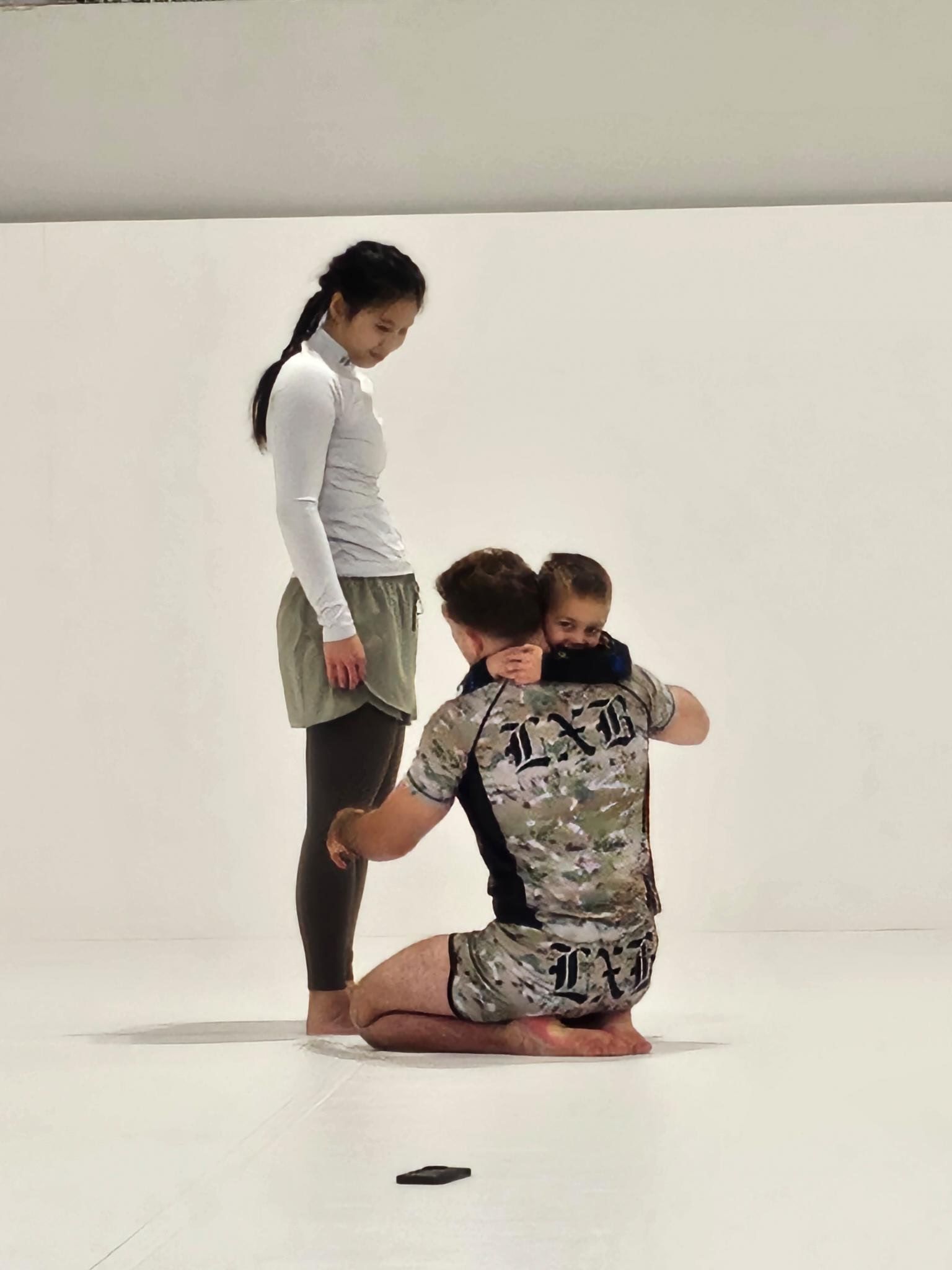
Parents are welcome to watch. Seeing the class flow is often what answers the big question: “Will my kid feel supported here?”
Questions parents ask us (and why the answers matter)
Does BJJ make kids aggressive?
The goal is control, not aggression. In a healthy kids culture, we reward calm behavior, good partner habits, and technical problem-solving. Kids learn consent and boundaries because every drill requires cooperation. If your child is high-energy, BJJ can give that energy a safer direction, but it should never be framed as “letting kids fight.”
How often should kids train?
Most families start with one or two classes per week. That is enough to build consistency without burning out. From there, you can adjust based on your child’s recovery, school workload, and motivation.
How do belts and promotions work?
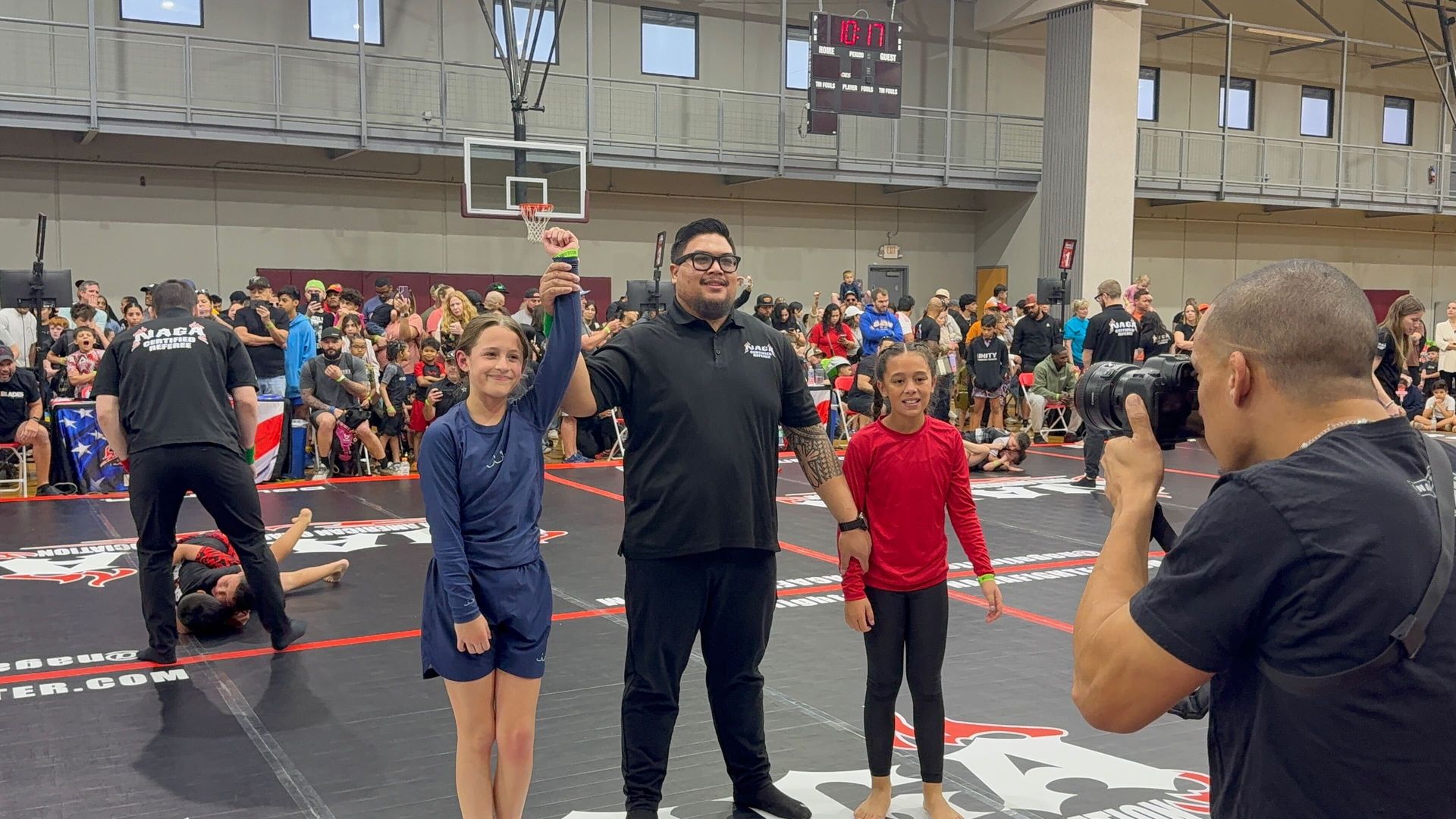
Promotions in kids programs should reflect more than winning. We look at technical improvement, effort, class behavior, and age-appropriate maturity. The belt is a marker of progress, but the real win is steady growth.
What if my child is shy?
We treat shyness as normal, not as a problem. We introduce partners gradually, keep expectations clear, and avoid putting kids on the spot. Many shy kids warm up once they realize everyone is learning together, and nobody is expected to be perfect.
Take the Next Step
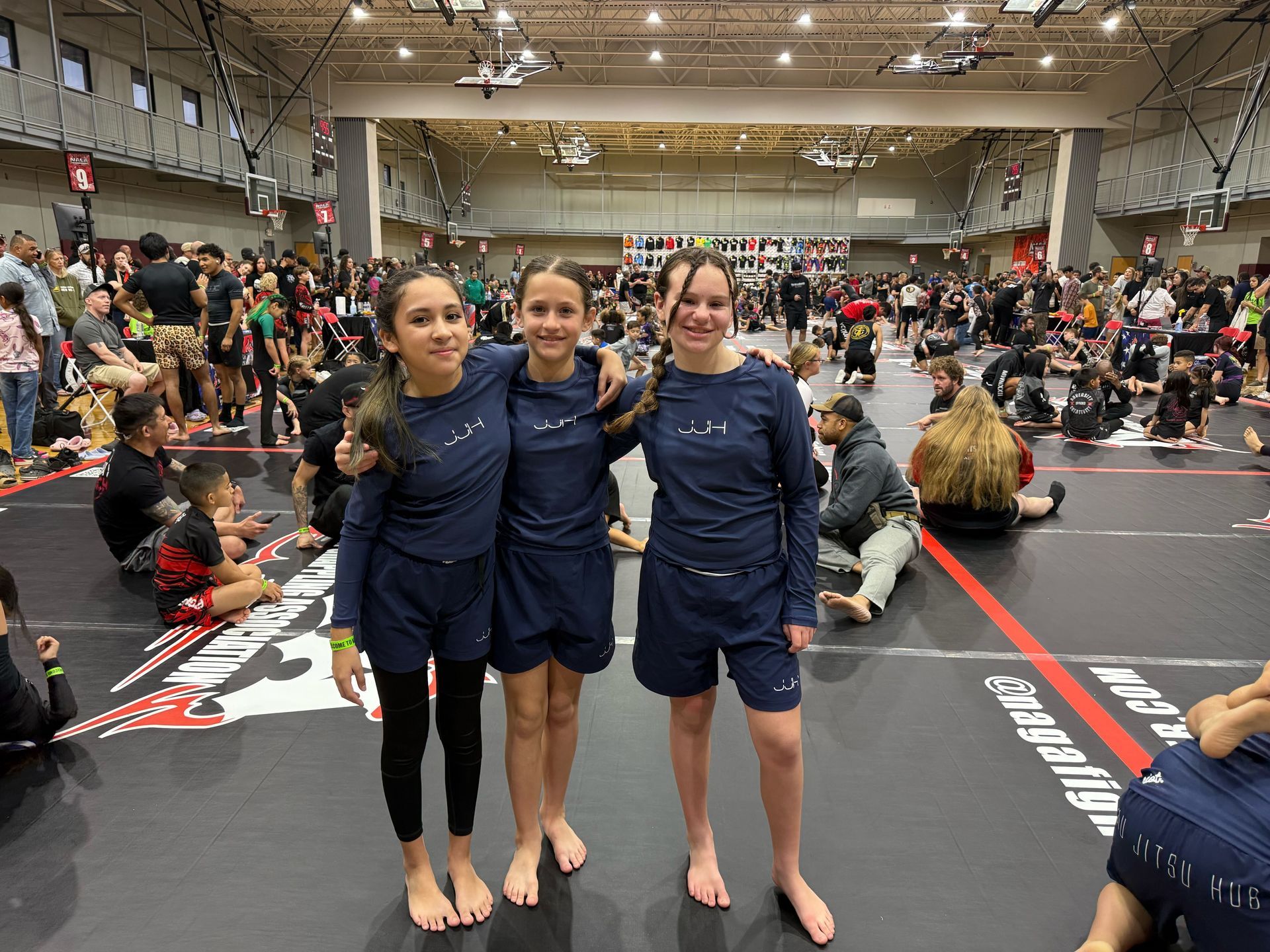
If you want an activity that blends fitness, problem-solving, and a strong social structure, Kids Brazilian Jiu-Jitsu is worth experiencing in person. The best way to understand it is to watch how kids learn: listening, trying, resetting, and building confidence one small rep at a time.
At
Jiu-Jitsu Hub, we keep our Kids Jiu-Jitsu in Georgetown TX program structured, age-appropriate, and genuinely fun, so your child can build skills in a setting that values safety and respect as much as progress.
Take your first step onto the mats and discover the benefits of
Jiu-Jitsu training at Jiu-Jitsu Hub.