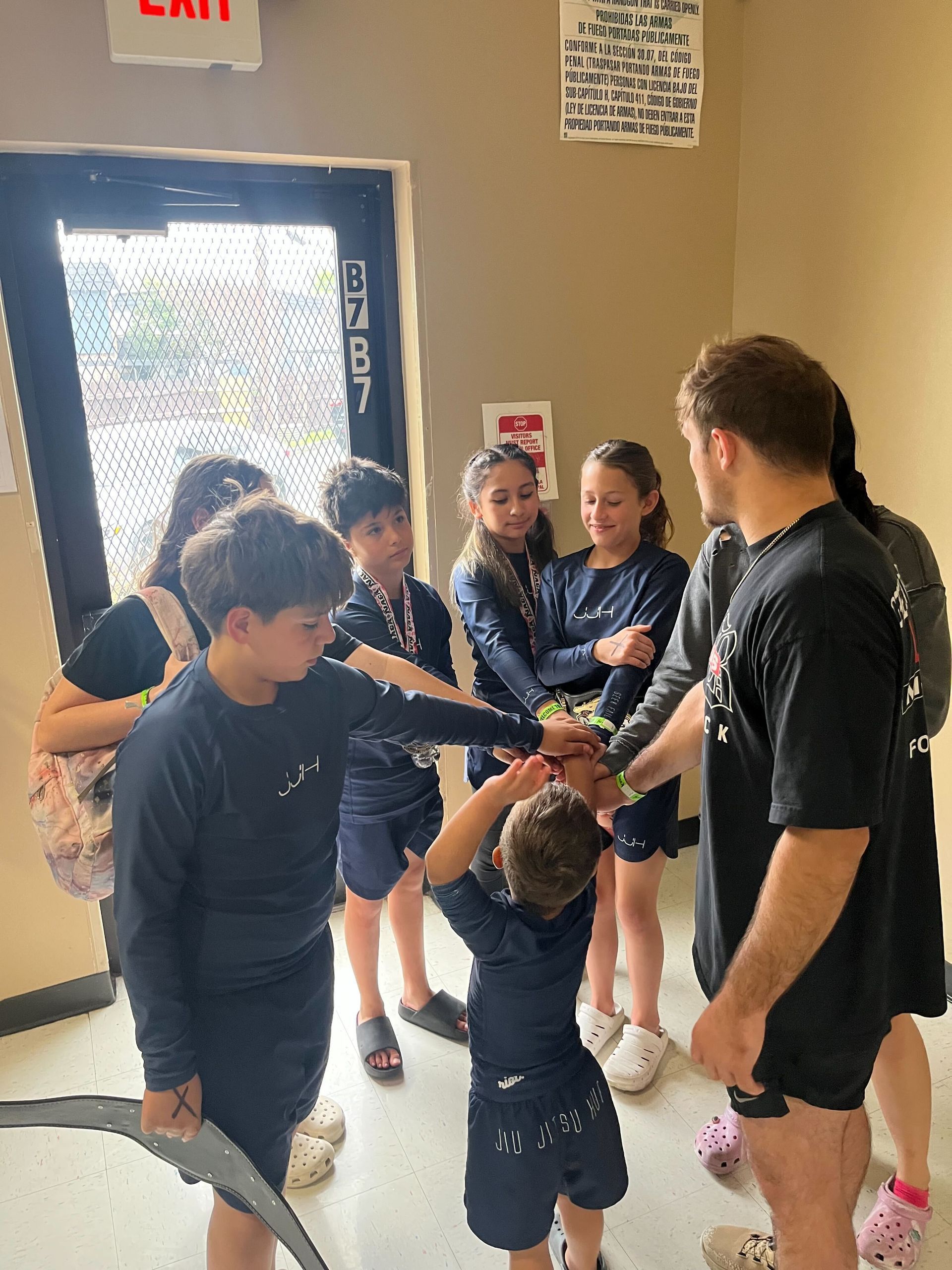
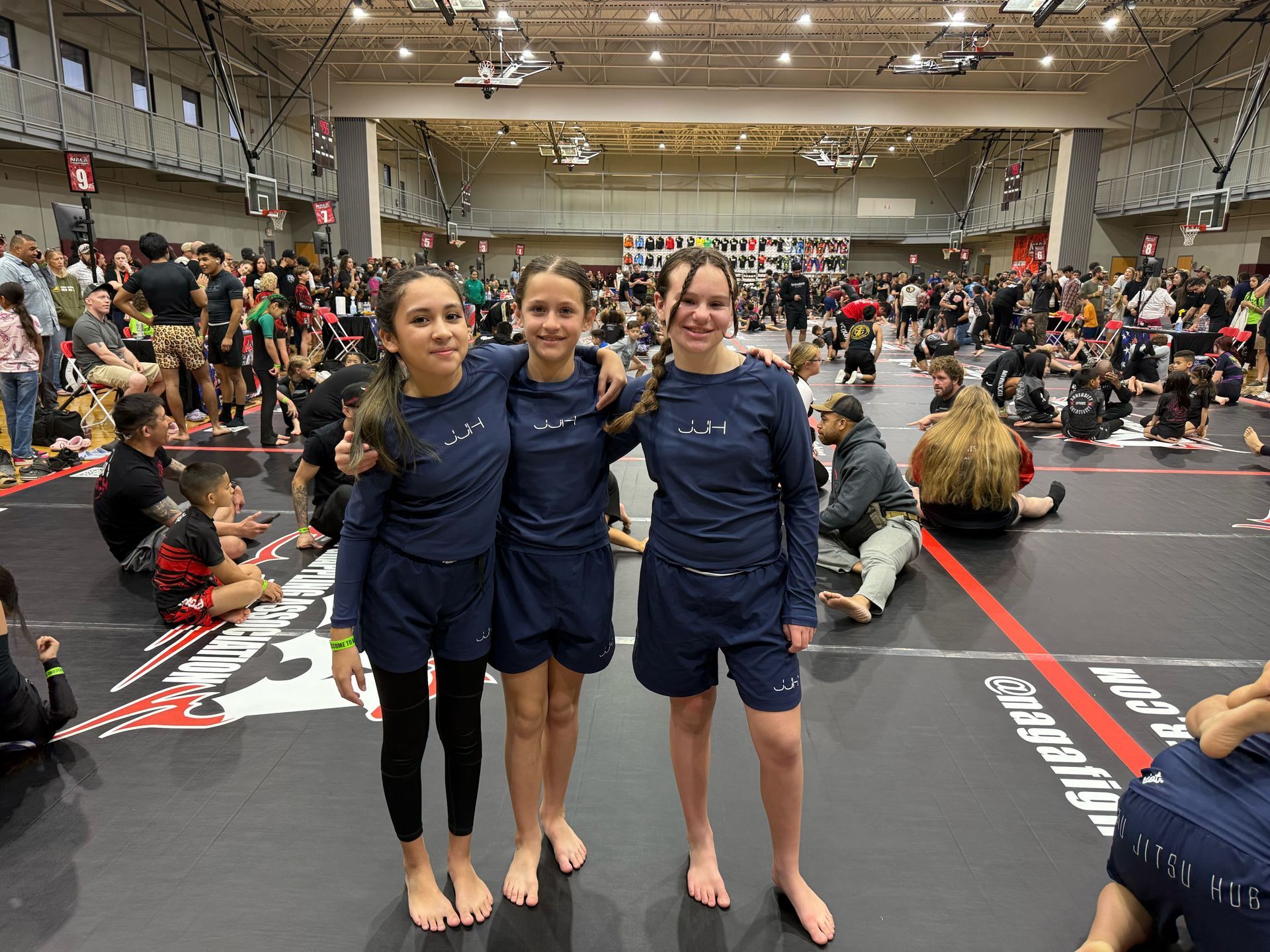
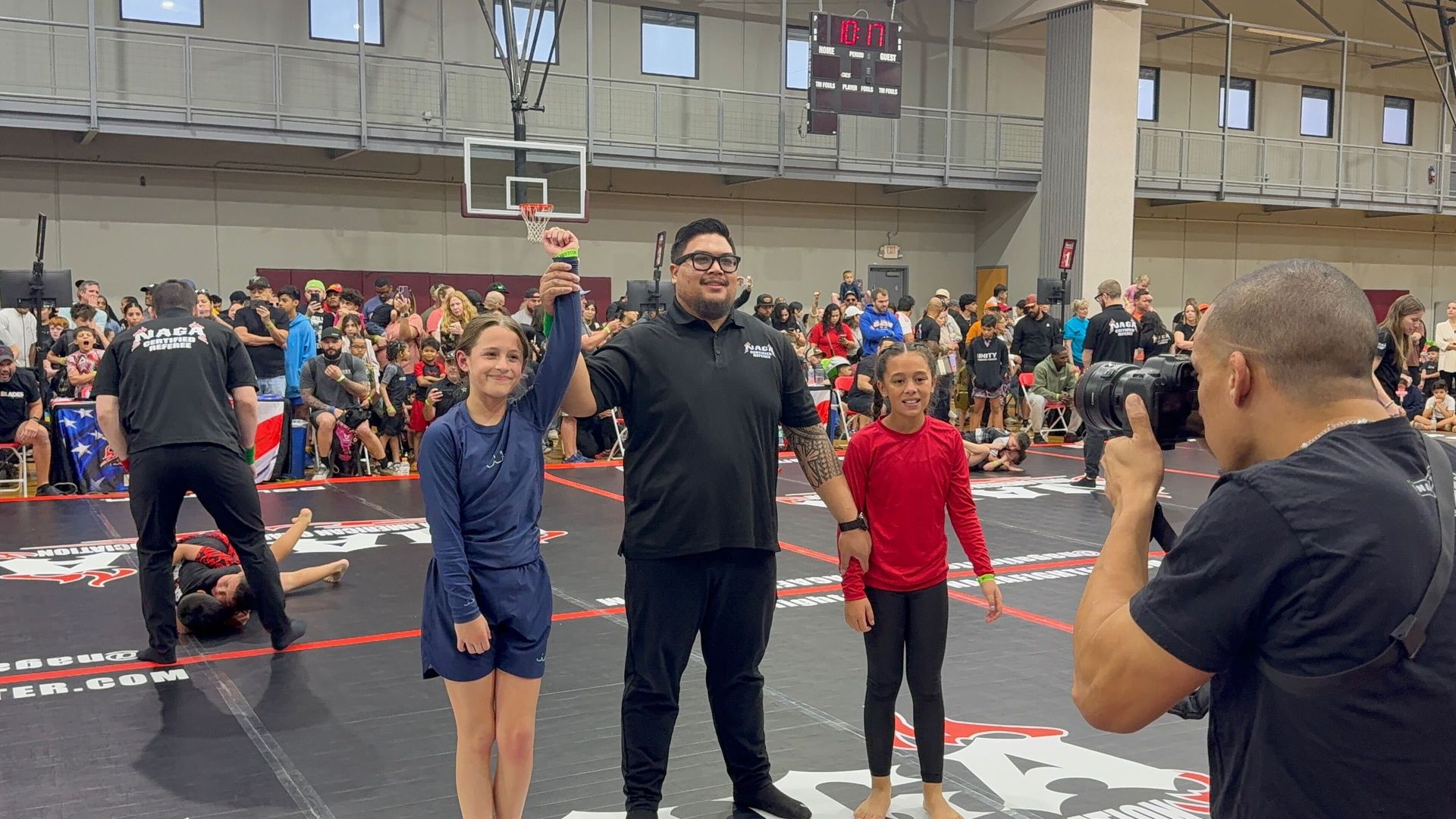
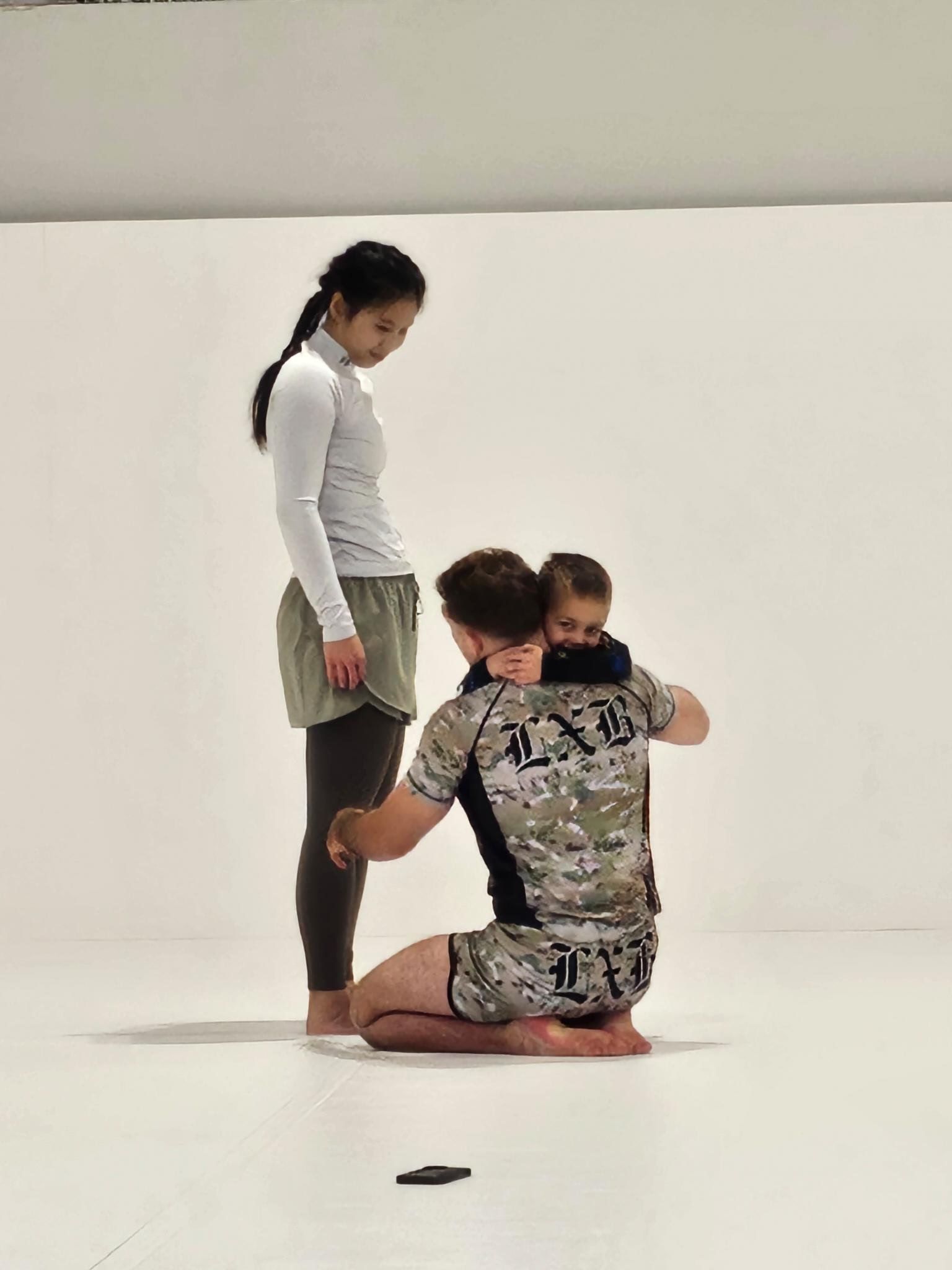
A great kids activity should feel like play, build real athleticism, and leave your child a little more confident each week.
If you are looking for a kids program that actually keeps your child moving, Kids Brazilian Jiu-Jitsu can be a surprisingly good fit. It is active, hands-on, and skill-based, so fitness happens almost in the background while your child focuses on learning. In Georgetown, that matters because families are balancing school, after-school activities, and a whole lot of energy that needs a healthy outlet.
We built our kids program to make movement feel fun, structured, and achievable from day one, even for total beginners. The goal is not to turn every child into a competitor. The goal is to help your child build strength, coordination, and confidence in a supportive environment that keeps safety and age-appropriate coaching front and center.
Why Kids Brazilian Jiu-Jitsu works so well for Georgetown families
Georgetown has plenty of youth activities, but not all of them meet the same needs. Some kids want a team environment, some want individual progress, and some need something that helps with focus and self-control as much as fitness. Kids Brazilian Jiu-Jitsu meets those needs in a unique way because progress is clear and practical: your child learns how to move, how to manage space, and how to stay calm while solving physical puzzles.
From a parent perspective, the value is pretty simple. You want an activity that is engaging, consistent, and worth the time it takes to get there after school. Our classes are designed to give kids a predictable structure: warm-up, skill-building, and controlled partner practice. That rhythm helps kids settle in, especially if your child is new to organized sports or tends to bounce from activity to activity.
Kids Brazilian Jiu-Jitsu in Georgetown TX is also a strong option when you want more than just “run around and get tired.” We love fitness, but we also want your child to build habits that carry into school and home: listening the first time, staying respectful under pressure, and learning how to try again after a mistake without melting down.
Fitness benefits that feel like fun, not workouts
Kids do not usually get excited about “cardio” or “strength training,” and honestly, they should not have to. A good youth fitness program should look like games, movement challenges, and skill exploration. In our Kids Brazilian Jiu-Jitsu classes, your child is constantly moving through patterns that naturally develop athletic qualities like balance, agility, and body control.
BJJ is a full-body activity. Kids push, pull, bridge, squat, crawl, and rotate. That is real functional movement, not just repetitive drills. Over time, many parents notice improvements in things like posture, coordination, and general stamina. Your child may not say, “I feel stronger,” but you might see it when hiking, playing in the yard, or even carrying a backpack without slumping.
We also like that BJJ rewards smart movement. If your child is smaller or not the fastest runner, that is fine. Kids learn to use leverage, timing, and positioning. That can be a huge confidence boost for children who do not always feel “naturally athletic” in more traditional sports.
What your child learns in a typical kids class
A big hesitation for many parents is not the sport itself, but the unknown. What actually happens on the mat? Our classes are structured and coached closely, and we keep instruction clear so kids are not guessing what to do next.
Here is what a typical class tends to include:
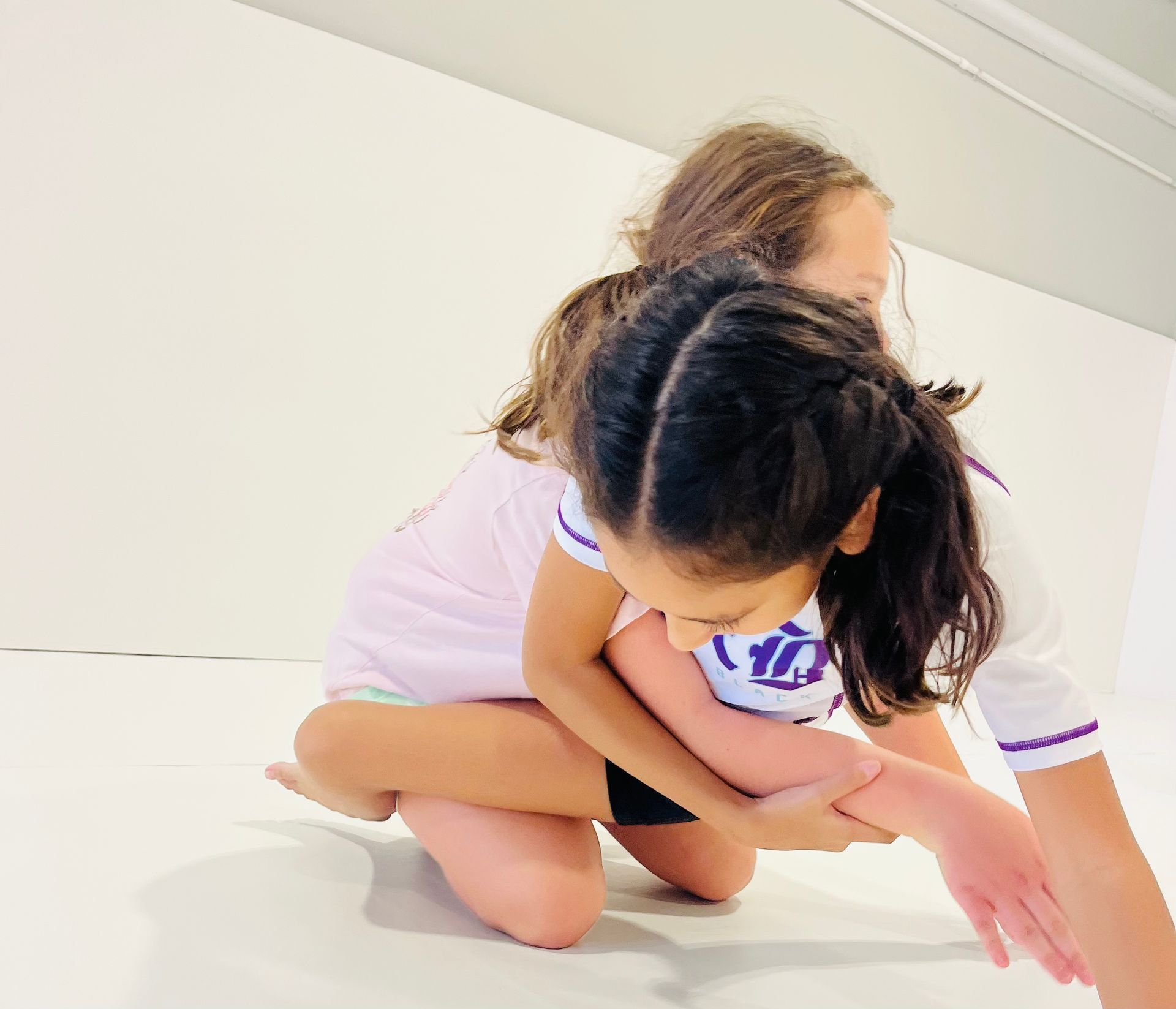
• Movement-based warmups that build coordination, balance, and safe falling mechanics in a kid-friendly way
• Technique of the day taught in small steps so beginners can follow along without feeling behind
• Partner drills with clear boundaries so kids practice control, not chaos
• Games that reinforce skills like grip fighting, movement, and positional awareness without feeling like homework
• A short wrap-up that reinforces respectful behavior, effort, and listening
That combination is where “fitness” sneaks in. Kids are getting stronger and improving endurance, but their attention is on learning and doing, not grinding through a workout.
Age ranges, class structure, and why it matters
Most kids programs in our area serve roughly ages 4 to 13, and we follow that general approach with age-banded classes. Age separation is not just a convenience, it changes how well kids learn. A 5-year-old and a 12-year-old may both love grappling, but they process instruction differently, move differently, and need different coaching cues.
In the younger groups, we keep instructions short and use simple goals like “get to a safe position” or “stay balanced.” In older groups, we can layer in more detail, add longer partner rounds, and work on decision-making under pressure. Either way, your child is not expected to show up already disciplined or coordinated. We treat those as skills that get trained, not personality traits kids either have or do not have.
If you are wondering when your child can start Kids Brazilian Jiu-Jitsu, the best answer is: when your child can participate in a structured class with basic listening and safe behavior. Age is part of it, but readiness matters too. If you are unsure, we can help you figure it out quickly.
Safety: how we keep training kid-appropriate
Safety is usually the first serious question, and it should be. Brazilian Jiu-Jitsu is a contact sport, but kids training does not have to look like roughhousing. Our coaching focuses on control, supervised partner work, and progressive intensity. Kids start with foundational movements and positions before we add more complex scenarios.
We also emphasize tapping and respecting the tap, which teaches kids to communicate and stop immediately when needed. That is a powerful safety habit, and it is also a life skill: learning to speak up early, not late. On top of that, we keep the environment clean, set clear rules for behavior, and pair kids thoughtfully so size and experience are considered.
No program can promise zero bumps, because kids are kids. But we can promise that our class structure is designed to reduce risk and keep training responsible, not reckless.
Confidence and anti-bullying skills without turning kids aggressive
A lot of parents come to Jiu-Jitsu in Georgetown TX because confidence is the real goal. Not loud confidence, not “be the toughest kid,” but the quiet kind that shows up when someone crowds your space, takes your pencil, or tries to embarrass you. Kids Brazilian Jiu-Jitsu helps because it gives children practice staying calm in uncomfortable situations, then working step by step toward a better position.
We teach kids to use technique and control, not anger. The idea is: protect yourself, create space, get to safety, and ask for help when appropriate. Over time, kids often carry themselves differently. Shoulders back, eyes up, less fidgety. That body language alone can reduce unwanted attention, and it is one of those things you cannot really fake. It comes from practice.
We also build respectful behavior into the culture of class. Kids learn to take turns, work with different partners, and manage frustration when something does not work immediately. That matters because bullying is often about emotional pressure as much as physical contact. When your child learns not to panic, options appear.
Focus, discipline, and emotional control: the underrated benefits
Fitness is easy to see, but focus can be the real win. Kids Brazilian Jiu-Jitsu asks children to listen, remember sequences, and apply details while moving. That is basically attention training, just packaged in a way kids actually enjoy.
We see a common pattern: at first, kids want to move fast. Then they learn that slow, correct movement works better. That shift is discipline, and it tends to spill into schoolwork, chores, and even how kids handle simple disappointments. It is not magic, it is repetition. Show up, follow instructions, try, adjust, improve.
For kids who are anxious or easily overwhelmed, BJJ can be grounding. The class has structure, the goals are clear, and progress is measurable. For kids who are high-energy, it provides a safe place to use that energy while still learning boundaries. In both cases, the mat becomes a place where emotions get practiced, not judged.
No-Gi training for kids: simple, practical, and accessible
Our kids program includes no-gi training, which means kids typically train without the traditional gi. No-gi can feel more straightforward for new families because it looks and feels closer to everyday movement and athletic play. It also encourages strong fundamentals like positioning, balance, and controlling space without relying on fabric grips.
No-gi is not “better” or “worse,” it is just different. For many kids, it is also more comfortable and less fussy. That can matter when you are trying to get out the door after school. If your child prefers the idea of moving freely and focusing on core grappling skills, no-gi can be a great entry point.
Either way, we keep the same priorities: safety, structure, and age-appropriate coaching that makes kids want to come back.
How often should your child train to see progress?
Consistency beats intensity for kids. We usually recommend starting with 2 classes per week if your schedule allows it. That is enough frequency for your child to remember what we covered, build confidence, and feel forward momentum. One class per week can still help, but progress may feel slower, especially for kids who need repetition to feel comfortable.
As your child settles in, you can adjust. Some families add a third day when kids ask for it, and that is a good sign because it means motivation is coming from your child, not just from a parent goal.
If you want a simple guideline, here is what tends to work well:
1. Start with 2 days per week for the first 4 to 6 weeks so your child builds familiarity
2. Reassess based on energy levels, school workload, and your child’s excitement to train
3. Add a third class only when recovery, sleep, and attitude at home are staying positive
4. Keep it sustainable so training feels like a healthy routine, not another source of stress
The best schedule is the one your family can keep.
What to bring to the first class (and how to set expectations)
First classes go smoother when kids know what to expect. We recommend arriving a little early so your child can meet us, see the mat, and settle in. That small buffer helps, especially for kids who are shy or cautious in new places.
For gear, we keep it simple. Comfortable athletic clothing that allows movement is a good start for no-gi. Bring a water bottle, and make sure nails are trimmed. If you have questions about exact attire, the website and the program page can guide you, and we can help you choose what makes sense based on your child’s age group.
The biggest expectation to set is that learning takes time. Your child does not need to “win” anything on day one. We want your child to learn how class works, try the movements, and leave feeling proud of the effort.
Ready to Begin
When Kids Brazilian Jiu-Jitsu is taught in a structured, supportive way, fitness stops feeling like a chore and starts feeling like something your child looks forward to. That is what we aim for every day: a place where Georgetown kids can build coordination, confidence, and healthy habits while still having a genuinely good time.
At
Jiu-Jitsu Hub, we guide your child through a clear progression, from beginner basics to more advanced problem-solving on the mat, so you can feel good about the safety, coaching, and culture that surrounds each class.
Train alongside a supportive community and
continue developing your skills at Jiu-Jitsu Hub.